Book Appointment Now

Does Fishing Hurt Fish

Yes - fishing can hurt fish. Hooking, handling, and air exposure cause wounds, stress, slime loss, and in deep water can trigger barotrauma that leads to organ failure. Simple choices cut harm: use barbless hooks, keep fights short, handle fish with wet hands, unhook quickly, and follow species- and depth-specific release methods. Follow rules, use proper tools, and time harvests to protect fish and keep fishing sustainable.
Does Fishing Actually Harm Fish?
Curious how fishing actually affects fish? You may feel part of a community that cares, and you should know fishing can change fish over time.
Whenever you take larger breeders more often, evolutionary impacts appear, like smaller size and earlier maturity. That shift can cut population productivity and make future catches thinner for everyone.
At the same time, handling and capture add physiological stress, which can alter behavior and survival odds after release.
You want to help, and that sense of belonging motivates better choices. Through learning how harvest and stress link, you can support practices that protect genetic diversity and reduce harm. This keeps fisheries healthy and preserves the shared joy of fishing for your group.
Catch-and-Release: Quick Steps to Reduce Harm
At the time you practice catch-and-release, handling fish quickly is one of the kindest things you can do because it cuts down on stress and injury.
You should also use barbless hooks so you can remove gear faster and with less damage. Together these simple steps help fish get back to feeding and spawning sooner so the population stays healthier.
Handle Fish Quickly
In case you want to give a fish the best chance to survive after you release it, handle it quickly and gently so stress and injury stay low. You belong to anglers who care, and your calm touch helps protect fish mucus and their chance for rapid release back to water. Move with purpose, not panic. Keep time out of water short. Support the fish without squeezing. Use wet hands or a wet towel.
- Unhook fast utilizing long-nose pliers and keep the fish low to the water.
- Cradle belly and tail, avoid gills, and check breathing before release.
- Revive fish through facing it into current until it swims free.
These steps link to respect, community, and better survival for released fish.
Use Barbless Hooks
You handled the fish gently and got it ready for release, and now you can take one more simple step that’ll make release safer for both fish and you: use barbless hooks.
Upon switching, hook removal gets faster and gentler. You’ll spend less time handling the fish and lower the chance of deep wounds. That helps conserve energy and preserves normal fish behavior after release. You’ll also avoid awkward tugging that can tear tissue.
Choose barbless hooks or crush the barb lightly with pliers. Practice a quick, calm removal method so you and others in your group feel confident.
Your choice shows care for the fish and the community. It’s a small change that keeps fish healthier and helps fisheries stay strong for everyone.
How Hooking and Mouth Injuries Affect Survival
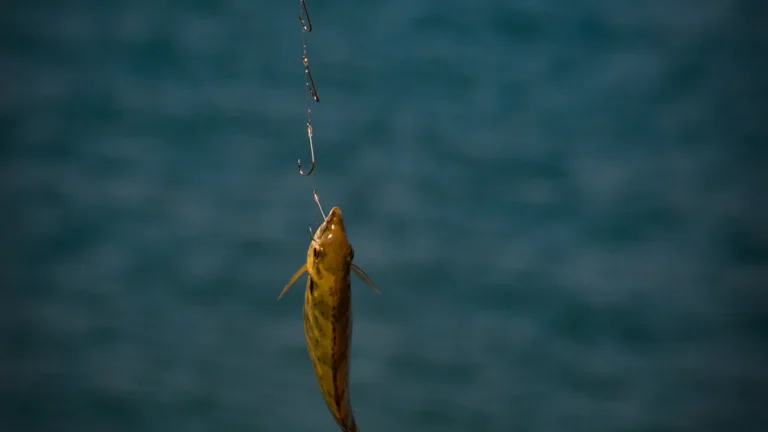
Whenever you consider hooking and mouth injuries, the initial thing to know is that where the hook lands strongly shapes a fish’s chance of survival. Hooks caught in soft tissue like the lip or corner of the mouth usually heal faster than those swallowed deep or lodged in the gill area, and different mouth trauma types lead to different recovery paths.
As you read on, you’ll see how hook location, specific injuries, and the post-release recovery process connect and why gentle handling and quick release can make a big difference.
Hook Location Matters
Ever question why where a hook lands can mean the difference between a fish surviving or not? You care, and you should, because hook placement drives injury severity and recovery.
Should a hook stays in the lip, a fish often swims away with minimal harm. But deeper throat or gill hooks raise risks, increase blood loss, and make handling harder.
- Lip or mouth: easiest to remove, lowest injury severity, best odds for survival.
- Throat or esophagus: harder to retrieve, higher infection risk, needs gentle care.
- Gills or deep: most serious, high bleeding, often fatal despite help.
You want to help fish thrive. Learn proper tools and quick handling to reduce harm and keep community fisheries healthy.
Mouth Trauma Types
Although the wound could look small, mouth trauma from hooks can alter a fish’s chances of surviving, and you’ll want to know why and what to do about it. You care about fish and community, so learn common injuries such as punctures, oral bleeding, torn tissue, swallowed hooks, and lip perforations. Each can hurt feeding, breathing, and escape responses, so your quick choices matter.
| Injury Type | Effect on Fish |
|---|---|
| Puncture | Infection risk |
| Oral bleeding | Reduced feeding |
| Torn tissue | Impaired suction |
| Swallowed hook | Gut damage |
| Lip perforations | Lost prey capture |
You can minimize harm through using barbless hooks, careful handling, and gentle release to support shared stewardship.
Post-Release Recovery
Because a fish’s mouth is its gateway to food and escape, injuries from hooks can change its odds of survival in ways you couldn’t see right away.
You care about the fish and the community that shares waters with you, so you want to know how recovery works. Hook wounds cause physiological stress that lowers feeding and escape reflexs. Population pressures make recovery harder whenever many fish face repeated encounters.
- Immediate care: handle gently, remove hook once safe, keep fish wet.
- Short term: let fish recover in calm water, watch for bleeding or impaired mouth use.
- Longer term: mouth scarring can reduce feeding success and increase predation risk, affecting population resilience.
How Handling and Air Exposure Stress Fish
In case you pick up a fish or lift it out of the water, you start a chain of stress that can affect the fish’s breathing, heartbeat, and chances of surviving after release.
Once you touch a fish, its protective slime can rub off and gill function can decline, especially in the event handling duration is long. Every extra second of air exposure raises internal stress and disrupts oxygen uptake.
You want the fish to live, so you’ll move calmly, keep it wet, and limit time out of water. Use wet hands or a wet cloth, cradle the fish gently, and avoid squeezing. Quick photos and smooth movements help.
You’re part of a caring community that values respect and better results.
Barotrauma: What It Is and When It Kills Fish
Upon bringing a deep-water fish to the surface too fast, its body can change in ways you won’t see initially, and that’s called barotrauma. You care about fish and want to help them survive, so learn how pressure changes affect them.
Their swim bladder expands as gases come out of solution, pushing organs and making it hard to swim back down.
- You’ll notice bulging eyes, everted stomachs, and buoyant fish that can’t submerge.
- In case you bring fish up from moderate depths, symptoms can be mild and sometimes reversible.
- From deep water, damage is often severe and can lead to immediate death.
You belong to those who respect fish, so use gentle handling and release tools once depth increases risk.
Delayed Mortality: Hidden Deaths After Release
Barotrauma can leave a fish looking alive at the surface while concealed injuries start working against it, and those unseen effects often lead to delayed mortality hours or days after release.
Whenever you release a fish, you may assume the job is done, but post release physiology can keep harming it. Internal damage, blood chemistry shifts, and exhaustion make it slower and less aware. That fragility raises the chance of delayed predation and reduces the fishs chance to recover.
You belong to a community that cares, so learn gentle handling, quick unhooking, and proper revival techniques. Use barbless hooks, wet your hands, and avoid long fights. Small steps from many anglers make a big difference for fish survival.
Which Species Suffer Most From Catch-and-Release?
You care about which fish pay the highest price whenever they’re caught and released, and you should know that species from deep water and those in shallow coastal zones can suffer in very different ways.
Deep-water fish often face fatal pressure changes and slow recoveries, while shallow-water species might be fragile because of thin skin, sensitive gills, or stress from repeated encounters with anglers.
Both groups need thoughtful handling and customized protections so you can enjoy fishing without causing undue harm.
Deep-Water Species Vulnerability
Which deep-water species suffer most from catch-and-release, and why should you care? You feel connected to ocean life, so understanding about deep depth habitats and deep sea biology matters. Deep dwellers are less forgiving of rapid pressure change and handling.
- Orange roughy and many slope rockfish: slow growth and low reproduction make stress deadly.
- Lanternfish and hatchetfish: fragile swim bladders and light organs get damaged whenever hauled up.
- Deepwater sharks and chimaeras: slow metabolism and long recovery mean even brief captures cause lasting harm.
You want to belong to a caring community. As you learn which species are vulnerable, you can choose gentler practices, support depth limits, and back policies that protect these unique, slow recovering animals.
Shallow-Water Fragility
In the event you head out to your favorite shallow bay or estuary, it helps to know that some shallow-water species are surprisingly fragile and don’t bounce back the way you could hope, even after a quick catch-and-release. You want to protect the animals that matter to your community. Species like seagrass fish, juvenile snapper, and flatfish suffer from handling, coral degradation, and sediment disruption. You feel responsible, and that matters.
| Species Group | Why Fragile | What You Can Do |
|---|---|---|
| Seagrass fish | Habitat loss and handling stress | Gentle release, avoid trampling |
| Juvenile snapper | High predation after release | Use barbless hooks, short fights |
| Flatfish | Buried in silt, breathe poorly | Minimize air exposure, wet hands |
How Tackle : Hooks, Lures, Lines : Changes Injury
At the moment you pick up a rod, the tackle you choose shapes the type and degree of injury a fish could suffer, so it’s worth considering hooks, lures, and lines before you cast. You want gear that protects fish and keeps you part of a caring community.
Reflect on how hooks and line abrasion hurt soft tissues, and how lure toxicity from some coatings can harm gills and skin.
- Use single, barbless hooks to reduce deep hooking and ease release.
- Pick knot strengths and line types that match target size to cut stress and avoid line abrasion.
- Choose nonleaded, low-toxicity lures and inspect damaged paint that might cause lure toxicity or sharp edges.
These choices lower harm and help fish and anglers stay connected.
How Water Temperature and Season Affect Survival
When you’re fishing, water temperature and season shape how well a hooked fish can recover. Cold water can slow metabolism and immune response, making stress and injuries harder to survive, while warm seasons often speed healing and activity so fish bounce back faster.
Comprehending these patterns helps you choose timing and handling that give fish the best chance to live.
Cold Water Stress
Because cold water holds more oxygen but also slows fish metabolism, you should know that temperature and season shape how well hooked fish survive and recover.
You’ll notice a metabolic slowdown in cold months, which lowers energy for escape and healing. Sudden exposure can cause cold shock, making fish stunned and vulnerable.
You want to help fish and your community of anglers, so learn seasonal risks and act gently.
- Handle fish quickly and keep them wet to reduce stress.
- Use barbless hooks and avoid deep fights that sap limited energy.
- Release fish where oxygen and flow are best for recovery.
These steps connect you to others who care, build trust, and protect fish in chillier water.
Warm Season Recovery
In the event that water warms up and you’re out fishing, your fish will feel it fast, and you need to know how that alters their chances of surviving a catch.
Once temperatures rise in the warm season, seasonal metabolism speeds up. That makes fish breathe and move more. You’ll notice they tire sooner after a fight.
Temperature effects also change oxygen levels and recovery time. You can help through reducing fight time, using barbless hooks, and keeping fish wet and shaded. Handle them gently and release them quickly.
In busy lakes you and other anglers shape results, so share care tips and slow pressure. These small acts create a kinder fishing community and raise survival odds for the fish you love.
Fight Time & Angler Skill: Why Speed and Technique Matter
If you desire to keep fish healthier and increase their chance of survival after you release them, cutting fight time and sharpening your technique really matters.
You join others who care, and your skill helps fish and community thrive. Consider angler endurance and simple fight strategies that reduce exhaustion for both you and the fish.
- Use heavier line when legal to shorten battles and land fish faster.
- Practice steady pressure and gentle lifts to avoid jerks that tire fish more.
- Learn net and dehooking routine so you spend minimal time handling fish.
These steps build confidence and belonging. As you train, you’ll notice quicker releases, calmer fish, and a deeper connection to fellow anglers who value careful, respectful fishing.
Bait and Hook Choices That Raise or Lower Risk
At the moment you pick bait and hooks, your choices can make a big difference to a fish’s chance of surviving after release, so it helps to know what raises risk and what lowers it.
Whenever you choose thin, sharp hooks made from softer hook material, they penetrate quickly and reduce deep swallowing. In the event that you pick larger, barbed hooks or heavy wire, you raise injury risk and handling time.
Lively natural baits with strong bait scent can attract bites but increase gut hooking should you use small, treble hooks. Switching to circle hooks, single hooks, and less intrusive baits cuts trauma. You’ll feel part of a thoughtful angling group once you choose gear that protects fish and keeps your outings kinder and more rewarding.
Best Release Techniques by Species and Depth
At the moment you’re trying to give a fish the best chance after release, species and depth change everything, so your approach should shift with both who you caught and where you caught them.
You’ll use species specific handling for delicate reef fish and firmer control for pelagics. For deep caught fish you’ll choose depth adapted venting and slow ascent to help organs re-expand. You belong to anglers who care, and you’ll act with calm confidence.
- Shallow species: minimize air exposure, support belly, unhook gently, revive in water.
- Reef and structure fish: avoid squeezing, keep in water whenever possible, cut line if needed.
- Deepwater: use descending devices, or vent only provided trained, move slowly during release.
Tools Every Low-Impact Angler Should Use
At the moment you care about fish and the future of the places you fish, the right gear makes all the difference. You want tools that protect fish and help you learn.
Start with barbless hooks, knotless wet nets, and rubberized gloves to reduce skin and scale damage. Use scale and length rulers that let you record data for impact measurement and log subtle trends. Pick sustainable gear like biodegradable leaders, lead-free weights, and durable tackle that lowers waste.
Bring a simple dehooker, sharp cutters, and a lip gripper designed to minimize injury. Combine these tools with a small cooler and quick-release clips so you move fast and calm fish. Whenever you fish with others, share gear and knowledge to build a caring community.
Regulations, Ethics, and When to Harvest Instead
When you set out to fish, you’ll want to know not just the rules but why they matter, because good regulations and sound ethics protect the fish and the future of the places you love to fish. You belong to a community that cares, so you’ll face ethical dilemmas like keeping a trophy or sparing a spawning breeder.
Consider harvest timing and size limits as tools that guard populations and future catches.
- Follow seasons and size limits to protect breeders and help stocks rebuild.
- Use selective gear and release methods that reduce harm and stress.
- Talk with fellow anglers, report catches, and support fair local rules.
These steps strengthen trust, preserve habitat, and keep fishing joyful.
Key Takeaways and an Action Checklist for Anglers
You’ve just read why rules, careful choices, and respect for breeders matter, so now let’s turn that comprehension into simple, doable actions you can use on every trip. You belong to a group that cares, and your choices add up.
Watch for signs of population pressures and avoid hotspots whenever numbers are low. Favor gear and methods that reduce harm and release fish quickly. Target abundant species and avoid large breeding individuals to limit evolutionary impacts. Share data with local groups and follow seasonal closures.
Use barbless hooks, wet your hands, and handle fish low over water. Mentor new anglers to spread good practices. Support science and fair rules so your community and future generations thrive.
Frequently Asked Questions
Do Fishing Practices Drive Evolutionary Changes in Fish Populations?
Yes - your fishing practices cause selective harvesting that drives genetic adaptation, favoring smaller, earlier-maturing fish and altered behaviors; together these changes reduce productivity, requiring community-focused management to sustain shared fisheries and belonging.
How Many Recreational Fishers Exist Globally and Their Overall Catch Impact?
You’re part of a massive tribe: about 200 million recreational fishers globally, with angler demographics and catch statistics showing nearly 1 million tonnes annually, so your collective choices really shape fishery futures.
Does Fishing Affect Fisher Mental Health and Stress Levels?
Yes - you’ll often experience angler relaxation and stress reduction; fishing lowers psychological stress scores, helps you feel connected to others and nature, and creates belonging, though effects vary with effort, catch success, and personal circumstances.
Are Protected Species Like Grey Nurse Sharks Impacted by Recreational Catch?
Yes - recreational catch can harm protected species like grey nurse sharks; you’ll see impacts on endangered habitats and slowed population recovery, so community-minded management and responsible angling are essential for framing collective stewardship.
How Does Angling Pressure Alter Fish Behavior Long-Term (E.G., Hook Shyness)?
Angling pressure drives behavioral adaptation like hook shyness and altered migration; you’ll see lasting changes in risk-taking and habitat use, linked to modified stress responses, so communities must share stewardship and adaptive management.