Book Appointment Now

How to Choose the Right Fishing Rod for Your Style
ByIMRAN
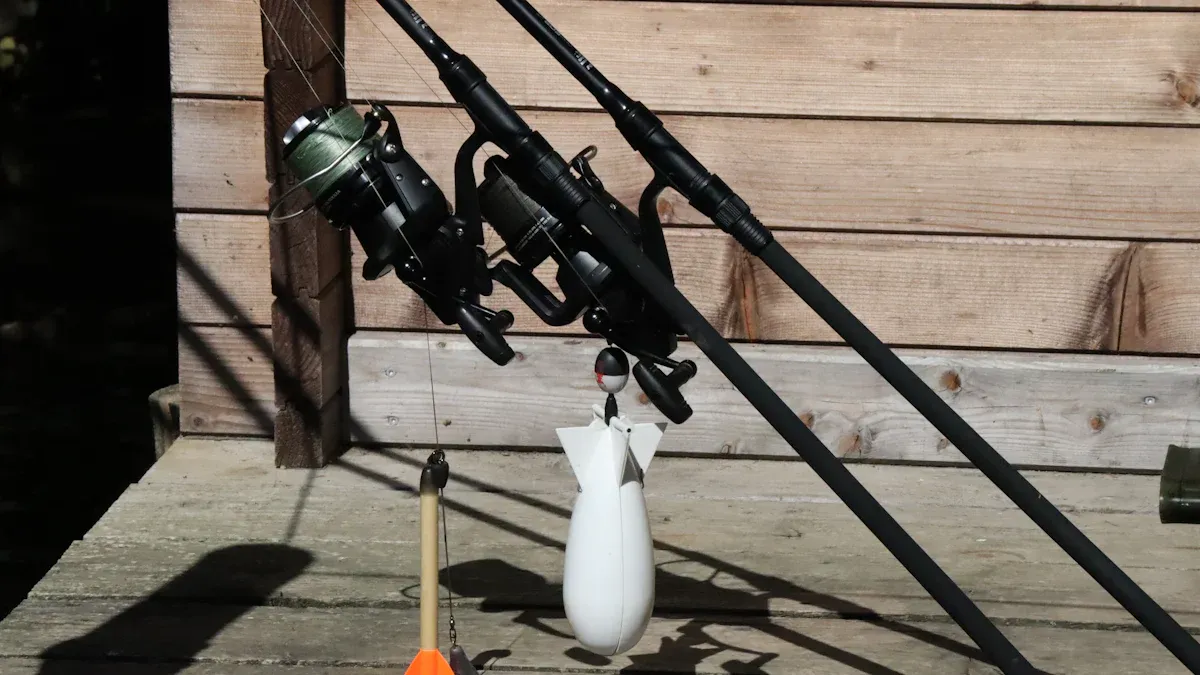
Fishing is more than just a hobby; it’s an adventure waiting to unfold! Have you ever felt the thrill of reeling in a big catch? The right fishing rod can make all the difference in your experience. Imagine casting farther and feeling every nibble on your line. What if you could enhance your fishing trips by simply choosing the right rod?
Consider these points:
Longer rods help with casting distance.
Graphite rods offer sensitivity, while fiberglass provides strength.
The action of your rod can affect your technique.
With so many options available, how do you choose the right fishing rod that fits your style?
Key Takeaways
Choose the right fishing rod type based on your fishing style, whether it’s spinning, baitcasting, fly fishing, or surf fishing.
Consider rod length carefully; longer rods cast farther, while shorter rods offer better control in tight spaces.
Understand rod action and power; fast action rods provide quick sensitivity, while medium power rods suit a variety of fish sizes.
Select materials wisely; graphite rods are lightweight and sensitive, while fiberglass rods offer strength and durability.
Take your time when choosing a rod; the right selection enhances your fishing success and enjoyment.
Types of Fishing Rods
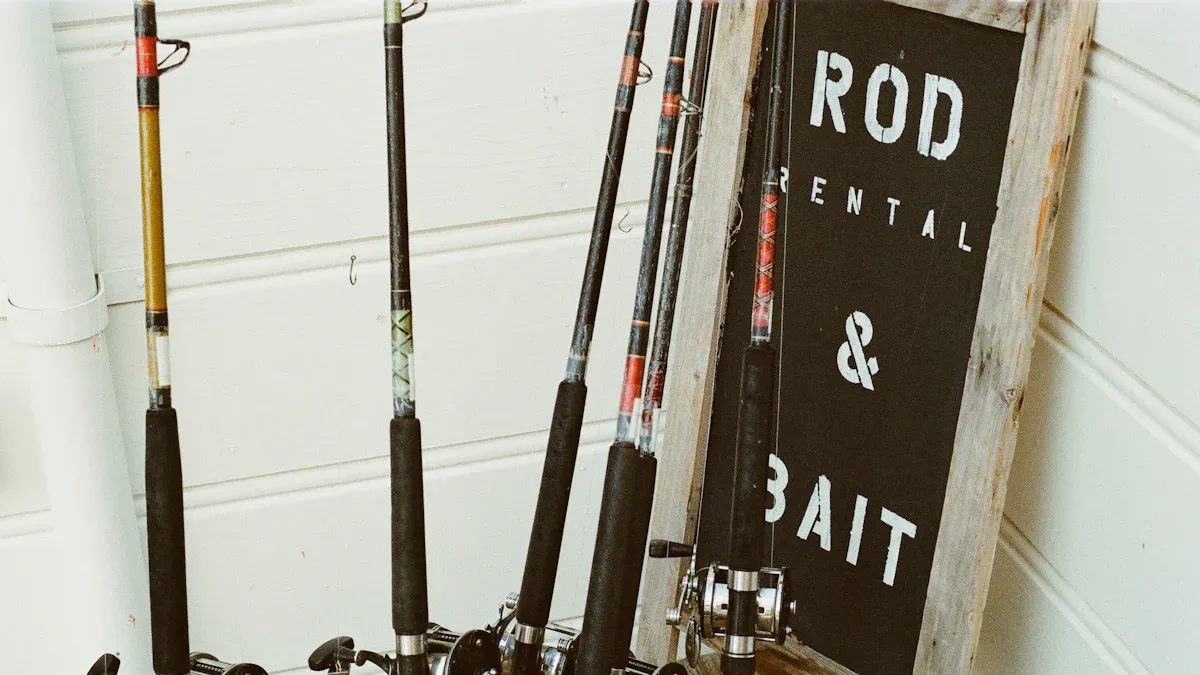
When it comes to fishing, the type of rod you choose plays a crucial role in your success. Let’s dive into the various types of fishing rods available and what makes each one unique.
Spinning Rods
Spinning rods are among the most popular choices for anglers. They are versatile and easy to use, making them perfect for both beginners and experienced fishers. The reel sits underneath the rod, which allows for a natural bend that absorbs shock when you hook a fish.
Feature | Spinning Rods |
|---|---|
User-Friendliness | Great for beginners |
Casting Precision | Moderate accuracy |
Ideal Applications | Smaller species, frequent casting |
You’ll find that spinning rods work well in both freshwater and saltwater, allowing you to cast light lures with ease.
Baitcasting Rods
Baitcasting rods offer greater accuracy and control, making them ideal for techniques that require precise lure placement. These rods have the reel positioned on top, which can take a bit of practice to master.
Baitcasting rods are often longer than 6 feet 6 inches, enhancing casting distance.
They are perfect for bass fishing, where the choice of rod power and action is crucial.
If you’re targeting larger fish or fishing in heavy cover, a baitcasting rod might be your best bet.
Fly Rods
Fly rods are specifically designed for fly fishing. They come in various lengths and weights, allowing you to tailor your setup to the type of fish you’re after.
Feature | Description |
|---|---|
Length | Determines maneuverability and casting distance. |
Weight | Corresponds to the line and the type of fish you’ll catch. |
Action | Affects casting style and sensitivity. |
For example, a 9-foot rod is great for rivers, while shorter rods work well in creeks for precision casting.
Surf Rods
Surf rods are built for saltwater fishing from the shore. They typically range from 9 to 15 feet in length, allowing you to cast beyond breaking waves.
Characteristic | Description |
|---|---|
Durability | Built to withstand saltwater corrosion. |
Power | Ranges from medium to heavy, suitable for large baits. |
Action | Fast action provides better sensitivity. |
These rods are essential for catching larger species that swim close to the shore.
Choosing the right rod can significantly enhance your fishing experience. Each type serves a specific purpose, so consider your fishing style and preferences when making your selection.
Choosing Factors for the Ideal Fishing Rod
When you set out to choose the right fishing rod, several key factors come into play. Understanding these factors can help you select the ideal fishing rod that matches your style and enhances your fishing experience.
Length
The length of your fishing rod significantly impacts your casting distance and accuracy. Longer rods can generally cast farther than shorter ones because they store and release energy more effectively during a cast. This means you can reach those distant spots where fish like to hide.
Tip: When fishing in areas with high banks or brushy growth, a longer rod helps keep your line elevated during back casts. For deep wading, a longer rod compensates for the effective line height, which decreases as you wade deeper.
Here’s a quick reference for recommended rod lengths based on different fishing scenarios:
Fishing Scenario | Recommended Rod Length |
|---|---|
Freshwater lakes | 6 to 7 feet |
Rivers with strong currents | 7 to 9 feet |
Surf fishing | 9 to 15 feet |
Action
Rod action refers to how much and where the rod bends when pressure is applied. This factor influences how well you can present your lure and set the hook.
Fast action rods bend primarily in the upper quarter, providing immediate power transmission on hooksets. They are great for feeling vibrations and quick strikes.
Moderate action rods flex through about half the blank, offering a balance of sensitivity and shock absorption. This makes them versatile for various fishing conditions.
Different fish species require different actions. For example, panfish like Bluegill need high sensitivity, while bass fishing often calls for medium to medium-heavy power with fast action for strong strikes.
Power
Rod power describes the rod’s ability to handle different fish sizes. It’s crucial to match the rod power to the species you’re targeting. Here’s a breakdown of common rod powers and their suitable applications:
Rod Power | Fish Size Handling Description |
|---|---|
Ultra-light | Best for smaller species like trout and crappie; struggles with larger fish. |
Light | Suitable for trout and bass; versatile but limited for larger species. |
Medium-light | Good for smallmouth bass; acts as a bridge between light and medium. |
Medium | Popular for a variety of fish including small salmon; versatile for different techniques. |
Medium-Heavy | Handles bigger fish while maintaining good action; common in various fishing scenarios. |
Heavy | Designed for large fish; provides the strength needed for effective movement. |
Xtra Heavy | Built for maximum power; ideal for the largest species requiring significant leverage. |
Material
The material of your fishing rod affects its weight, sensitivity, and durability. Common materials include:
Graphite: Lightweight and sensitive, making it great for feeling bites. However, it can be less durable than other materials.
Fiberglass: Offers strength and durability, making it ideal for heavy-duty fishing. It’s often less sensitive than graphite but can handle tough conditions.
Choosing the right material can enhance your overall fishing experience. Consider where you’ll be fishing and the types of fish you’ll target when selecting the material for your rod.
By understanding these factors-length, action, power, and material-you can confidently choose the right fishing rod that suits your style. This knowledge will not only improve your performance but also make your fishing trips more enjoyable.
Match Your Rod to Fishing Style
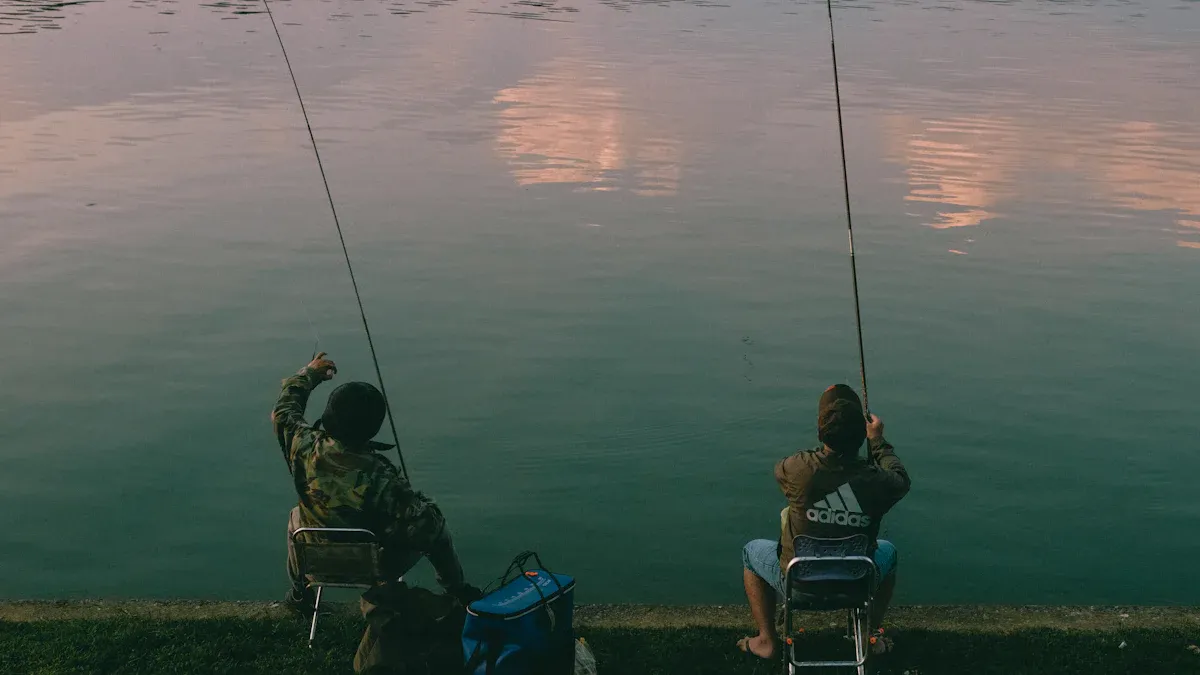
Choosing the right fishing rod is essential for your success on the water. Different fishing styles require different rods, and understanding these differences can help you make the best choice. Let’s explore how to match your rod to your fishing style.
Freshwater Fishing
When you’re fishing in freshwater, you want a rod that balances sensitivity and strength. A medium power spinning rod, typically around 6 to 7 feet long, works well for most freshwater species like bass and trout. These rods allow you to feel the slightest nibble while providing enough backbone to reel in larger fish.
Tip: If you’re targeting smaller species, consider a light or ultra-light rod. These rods enhance sensitivity and make catching panfish like bluegill more enjoyable.
Saltwater Fishing
Saltwater fishing presents unique challenges. You need a rod that can withstand harsh conditions, including saltwater corrosion. Here are some essential features for saltwater rods:
Durability: Saltwater rods must be tough enough to handle larger fish and rough environments.
Corrosion resistance: Look for materials that resist rust and wear.
Specific design elements: Features like larger guides help accommodate thicker lines.
Rod Type | Materials Used | Corrosion Resistance |
|---|---|---|
Saltwater | Titanium, stainless steel, composites | High |
Freshwater | Aluminum oxide, other less resistant | Moderate to low |
Saltwater rods often use materials like titanium and stainless steel, which provide high corrosion resistance. This makes them ideal for fishing in coastal areas or off boats.
Fly Fishing
Fly fishing requires a different approach. The right rod can make all the difference in your casting technique. Here’s a quick guide to fly rod specifications based on your fishing environment:
Rod Type | Weight | Length | Ideal Use |
|---|---|---|---|
5-Weight Rod | 5 | 9′ | Versatile for trout and bass, handles finesse |
4-Weight Rod | 4 | 9′ | Best for smaller streams and light presentations |
6 or 7-Weight Rod | 6-7 | 9′ | Suited for larger trout and bass in windy lakes |
For example, a 9-foot rod rated for 5-weight line is versatile for dry flies and light streamers. The weight and flexibility of the rod influence your casting distance and the presentation of your fly.
Note: Slower rods allow for delicate presentations, while faster rods can handle quick casts. Choose based on your personal casting style and the conditions you face.
Ice Fishing
Ice fishing requires specialized rods designed for cold conditions. These rods are typically shorter, ranging from 24 to 36 inches, which helps you manage your line effectively in tight spaces. Here are some key features to look for:
Feature | Description |
|---|---|
Materials | Carbon fiber construction offers sensitivity and durability, enhancing bite detection. |
Handle Design | Cork provides sensitivity; EVA foam offers insulation and comfort. |
Rod Length | Shorter handles for light rods; longer handles for leverage with larger fish. |
Power | Medium power rods for aggressive jigging; light power rods for tungsten jigs. |
Action | Fast action for jigging spoons; moderate action for live bait rigs. |
Ice fishing rods are designed to be lightweight and ultra-sensitive, allowing you to detect even the slightest bites.
By matching your rod to your fishing style, you can enhance your overall experience and increase your chances of success on the water. Whether you’re casting in freshwater, battling saltwater species, or enjoying the thrill of fly fishing or ice fishing, having the right equipment is key.
Choosing the right fishing rod can transform your fishing trips into memorable adventures. Remember these key points:
Different types of fishing rods suit various styles, from spinning to baitcasting.
Rod length affects your casting distance and control; shorter rods work well in tight spaces, while longer rods excel in open water.
Consider your past fishing experiences to guide your selection. A versatile medium-light rod might have served you well before, so think about what worked best.
Take your time when selecting your rod. The right choice enhances your success and enjoyment on the water!
FAQ
What is the best fishing rod for beginners?
For beginners, a medium power spinning rod around 6 to 7 feet is ideal. It offers versatility and ease of use, making it perfect for various freshwater species.
How do I know what rod length to choose?
Choose a rod length based on your fishing environment. For tight spaces, shorter rods work best. For open water, longer rods help with casting distance.
Can I use a freshwater rod in saltwater?
While you can use a freshwater rod in saltwater, it’s not recommended. Saltwater can corrode the materials, reducing the rod’s lifespan. Opt for a rod designed for saltwater fishing instead.
What action should I look for in a rod?
The action of your rod affects sensitivity and hook-setting. Fast action rods are great for quick strikes, while moderate action rods provide a balance of sensitivity and shock absorption.
How often should I replace my fishing rod?
Replace your fishing rod when you notice significant wear, damage, or if it no longer meets your fishing needs. Regular maintenance can extend its life, so check for any issues frequently.
