Book Appointment Now

13 Tips for Catching Fish While Kayaking
ByIMRAN
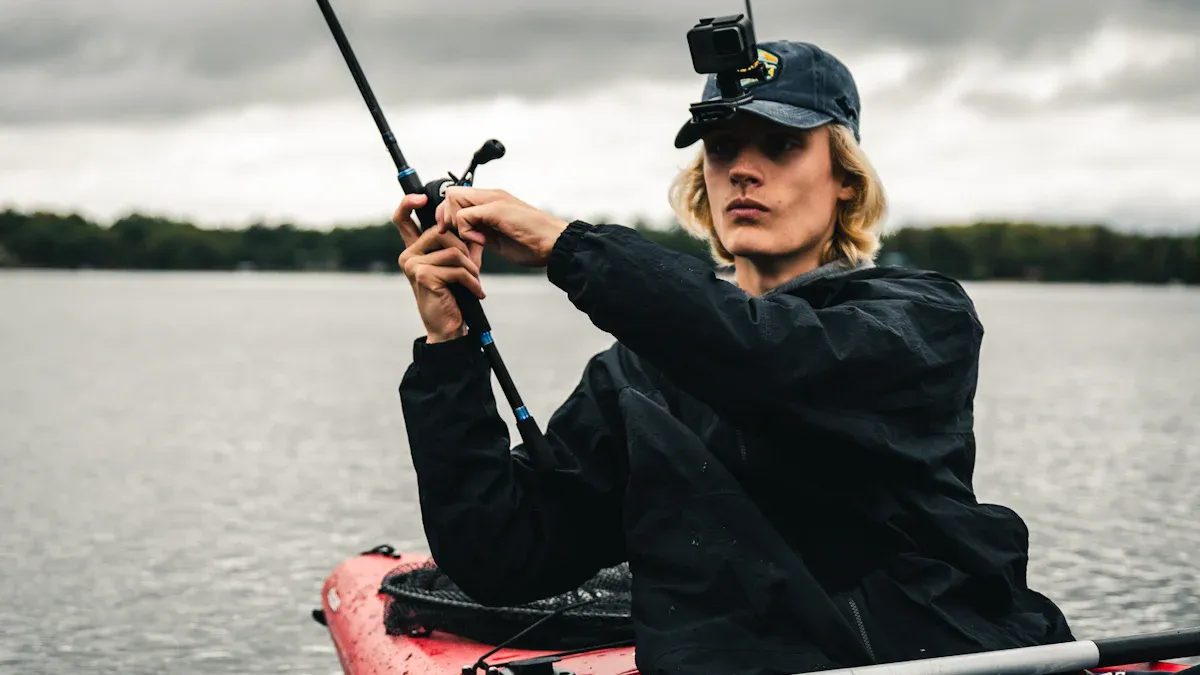
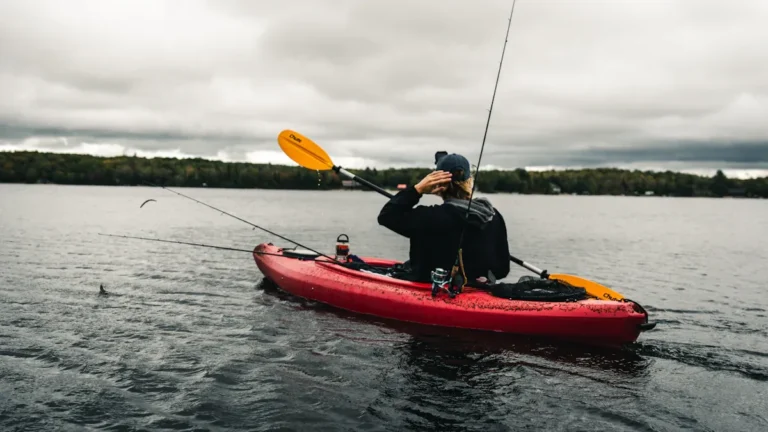
Fishing from a kayak is an exhilarating blend of adventure and strategy. You’ll experience the thrill of catching fish while enjoying the serenity of the water. Kayak fishing offers unique advantages, like accessing shallow rivers and maintaining stealthy approaches to your fishing spots. However, it comes with challenges, making preparation and the right techniques essential for success.
Key Takeaways
Preparation is key. Research fishing locations and check weather conditions to enhance your chances of success.
Choose the right gear. A stable fishing kayak and a personal flotation device (PFD) are essential for safety and comfort.
Master effective fishing techniques. Focus on casting methods and bait selection to improve your catch rates.
Preparation
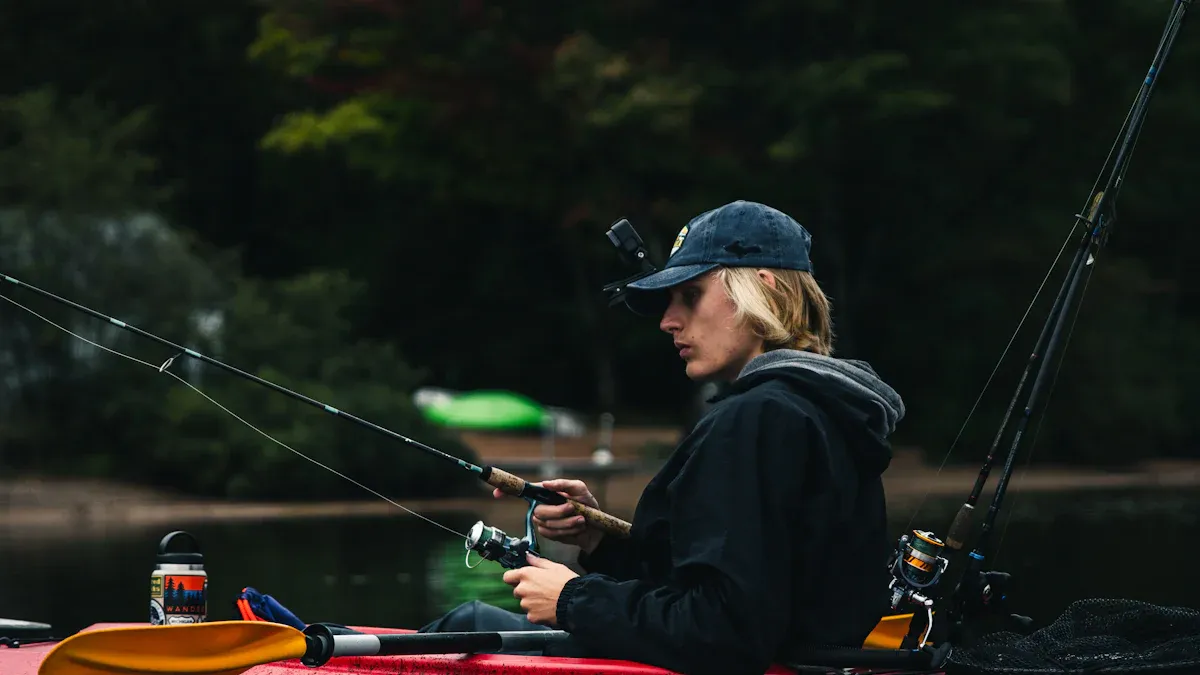
Research Locations
Before you hit the water, take some time to research the best fishing spots. Knowing where to go can make a huge difference in your success. Here are some factors to consider:
Tidal conditions: Check the tides for both fishing and paddling.
Wind speed and direction: Understand how wind can affect your kayak stability and movement.
Water depth: Ensure your kayak can navigate the water depth in your chosen area.
Personal paddling ability: Assess your fitness and experience for the distance you plan to paddle.
Time management: Plan your trip duration to avoid returning late.
Weather conditions: Be aware of temperature and weather changes that could impact your safety.
You can use apps like Go Paddling or onX FISH to find great locations and get user reviews.
Check Weather
Weather plays a crucial role in your kayak fishing experience. It can affect both your safety and your chances of catching fish. Here’s a quick look at some important weather factors:
Factor | Description |
|---|---|
Wind Direction | Affects paddling effort; headwinds slow progress, while tailwinds can aid but complicate steering. |
Wind Speed | Safe conditions are generally below scale 5 (19-24 mph). |
Gusts | Sudden increases in wind speed can destabilize kayaks, increasing the risk of capsizing. |
Preparation | Reading wind forecasts helps kayakers plan trips during favorable conditions. |
Technique | Adjust paddling techniques based on wind conditions to maintain control. |
Equipment | Choosing kayaks with rudders or skegs can enhance control in windy conditions. |
Plan Timing
Timing your fishing trip can significantly impact your success. Fish are more active during certain times of the day and year. Here’s what to keep in mind:
Time of Day/Year | Activity Type | Description |
|---|---|---|
Major Feeding Periods | Directly overhead/beneath | Occur when the moon is directly overhead or directly beneath. |
Minor Feeding Periods | Before/after moon set/rise | Happen 1 to 1.5 hours before the moon sets and again as it rises. |
Moon Phases | Full/New vs Quarter | Strongest activity closer to full/new moons; weakest during quarter moons. |
Late Afternoon/Night | Increased catch rates | Fishing during these times can help avoid boat traffic and increase catch rates. |
By planning your trip around these factors, you’ll increase your chances of a successful day on the water.
Gear Selection
Right Kayak
Choosing the right kayak is crucial for a successful fishing trip. A fishing kayak differs from a standard recreational kayak in several ways. Here’s a quick comparison:
Feature | Fishing Kayak | Recreational Kayak |
|---|---|---|
Style | Mostly one-person models | Typically available in one or two-person models |
Comfort | Sit-on-top style for stability | Varies, often sit-in style |
Propulsion | Two-bladed paddle, pedal-powered options | Single-blade paddle |
Rod Holders | Usually permanently attached | May not have dedicated rod holders |
When selecting your kayak, consider its width for stability, length for tracking, and weight for easy transport. A wider kayak offers more stability, which is essential for a kayak angler.
Essential Gear
Having the right kayak fishing gear can make all the difference. Here’s a list of essentials you should bring along:
Stable Fishing Kayak: Designed for balance and storage
Paddle or Pedal Drive: Ensures maneuverability
Personal Flotation Device (PFD): Safety is paramount
Rod Holders and Leashes: Keep your gear secure
Dry Storage Solutions: Protects your belongings from water exposure
These items help you stay organized and safe while out on the water.
Packing Light
Packing light is key to enhancing your kayak fishing experience. Here’s why:
Keeping only essential gear allows for quick access during fishing.
Reducing excess weight minimizes the risk of capsizing, which is crucial for safety.
A lighter kayak enables quicker adjustments to changing conditions, improving overall maneuverability.
By following these tips, you’ll be well-prepared for your next kayak fishing adventure!
Techniques for Catching Fish
Casting Techniques
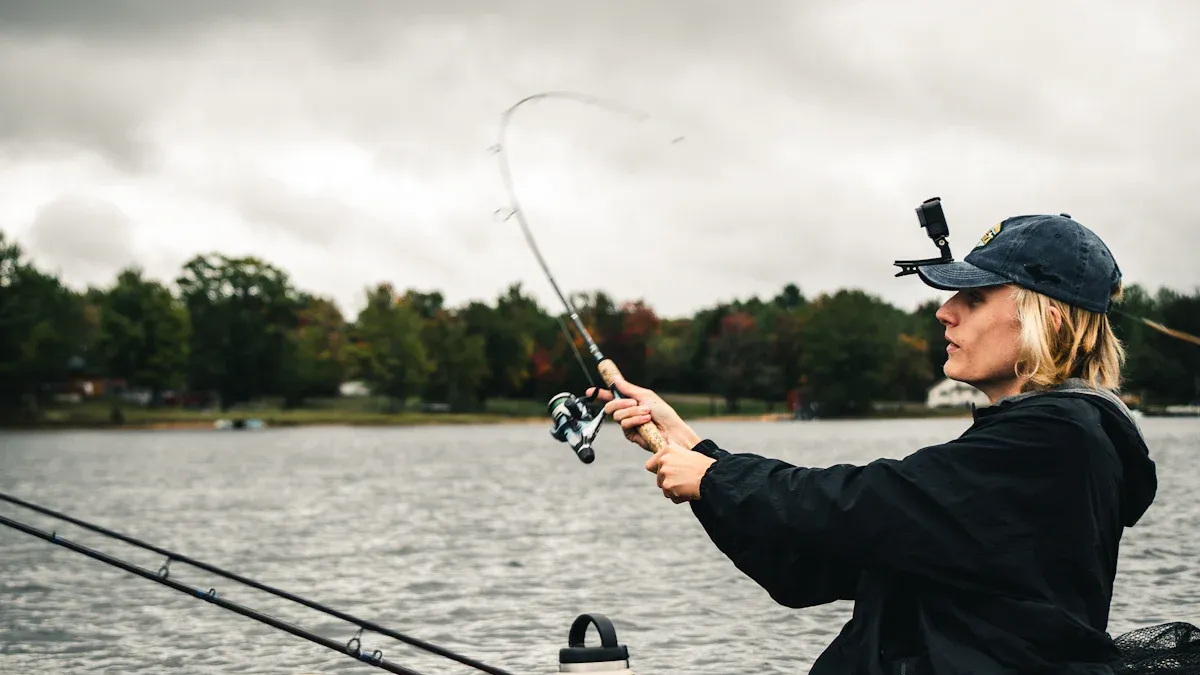
Mastering casting techniques can significantly improve your chances of catching fish. Here are some effective methods to consider:
Use similar length and action rods for balance.
Stand in your kayak for better visibility and target recognition.
Maintain consistent line length for accurate casting.
Practice casting off the water to enhance your skills.
When you anchor your kayak, it helps you stay in one spot while fishing. Face the direction of your cast, hold the kayak steady, and keep your cast low to avoid tangles. You can also try jigging by moving your fishing pole up and down to attract fish. Trolling is another great technique; drag a lure behind your kayak to cover more water.
Bait Selection
Choosing the right bait is crucial for successful kayak fishing. Different fish species respond to various baits, so adapt your selection based on your target. For panfish like perch and crappies, simple jigs tipped with minnows or worms work well. If you’re after bass, a weightless minnow rigged to mimic an injured baitfish can be effective. During warmer months, fish tend to become lethargic, so using smaller baits can increase your chances of bites.
Fish Behavior
Understanding fish behavior is key to improving your catch rates. Fish are sensitive to sound and movement, relying on their lateral line system to detect vibrations. This means any noise from paddling or equipment can alert them to your presence. Additionally, fish can see shadows and movements above the water, especially in clear conditions. Position yourself carefully and approach stealthily to avoid spooking them.
Kayak Fishing Safety
Wear a PFD
Wearing a personal flotation device (PFD) is non-negotiable when you go kayak fishing. Did you know that 80% of individuals who died in recreational boating incidents weren’t wearing a life jacket? That’s a staggering statistic! To keep yourself safe, always wear a PFD. Not only is it a legal requirement in many states, but it also provides peace of mind. Make sure your life jacket fits properly and is easily accessible. Remember, safety first!
Stay Aware
Staying aware of your surroundings is crucial for a safe fishing experience. Here are some key points to keep in mind:
Always wear a PFD.
Check weather conditions before heading out.
Be mindful of water conditions, including tides and currents.
Ensure visibility to other boaters.
Stay alert for other kayakers and potential wildlife hazards.
By practicing these strategies, you can minimize risks and enjoy your time on the water. Inform someone about your fishing plans and expected return time. This simple step can make a big difference in case of an emergency.
Use Anchors
Using anchors can significantly enhance your kayak fishing safety. Anchors help secure your kayak’s position, preventing it from drifting due to wind or current. Consider using an anchor trolley, which allows you to adjust the anchor line from one side of the kayak to the other. This feature helps you maintain stability, especially in windy conditions. Here’s how anchors contribute to your safety:
They keep your kayak in place, reducing the risk of capsizing.
Anchor trolleys allow for easy adjustments to your kayak’s orientation.
Proper use of anchors can prevent accidents by ensuring your kayak is anchored securely.
Anchoring can be tricky, but with practice, you can master it. Always remember that a well-anchored kayak is a safer kayak!
Kayak fishing combines adventure with strategy. To enhance your experience, remember these key points:
Preparation is vital. Research locations and check weather conditions.
Choose the right gear for stability and safety. A personal flotation device (PFD) is essential.
Master effective techniques like casting and bait selection to increase your catch rates.
Always prioritize safety. Stay aware of your surroundings and use anchors to maintain stability.
By applying these tips, you’ll set yourself up for a successful kayaking fishing adventure!
FAQ
What should I wear for kayak fishing?
Wear comfortable, quick-drying clothes. Don’t forget a personal flotation device (PFD) for safety while kayak fishing.
Can I fish in any type of kayak?
Yes, but a fishing kayak offers better stability and storage for gear, making it ideal for kayak fishing.
How do I transport my kayak?
Use a roof rack or trailer designed for kayaks. Ensure it’s secure to prevent damage during transport.