Book Appointment Now

10 Budget Fishing Setup Tips: Save Money Without Sacrifice

Yes - a budget fishing setup can catch big fish without emptying your wallet. Use a 6–7 foot medium spinning rod and a smooth 2500 reel paired with 6–8 lb mono or braid and a short fluorocarbon leader. Carry versatile lures like soft plastics, small crankbaits, and spinnerbaits, buy used gear carefully, and do basic DIY maintenance. Track spending, focus upgrades on reel, line, or hooks, and fish local spots by season for reliable results.
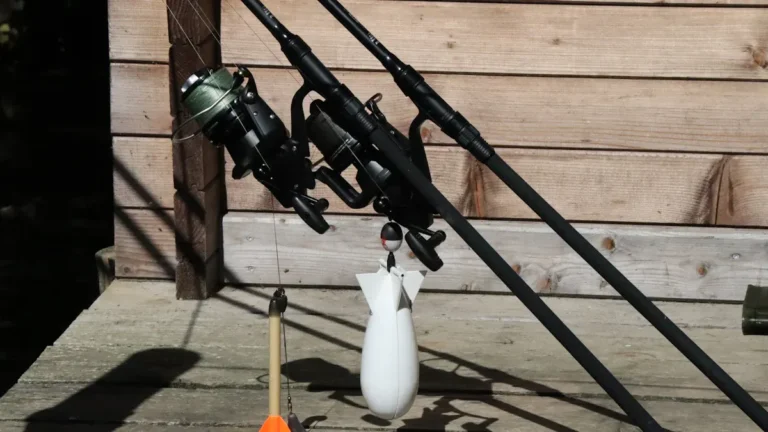
Pick One Versatile Rod‑And‑Reel Combo

Ahead of the time you’re picking one versatile rod and reel combo, aim for a setup that covers most situations so you won’t worry about switching gear mid-trip.
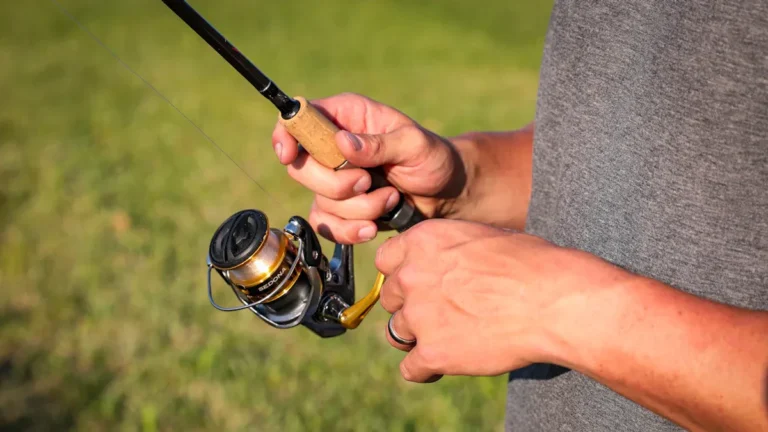
You want a 6 to 7 foot medium power fast action spinning rod with a 2000 to 3000 size reel. That gives you good rod durability and sensitivity for bass and panfish. Choose a reel with smooth reel drag so you can fight fish without panic. Pick a 2500 size should you want an all around choice with 6 to 8 pound mono.
Consider weight, balance, and feel in your hand. You’ll join others who fish smart. Keep it simple, affordable, and reliable for many outings together.
Pick the Right Line: Mono, Braid, or Fluorocarbon
Now that you’ve picked a versatile rod and reel, the next big choice is the line that ties everything together. You want line durability and good casting distance without overspending. Mono is forgiving, cheap, and has stretch that protects fish. Braid offers thin diameter and long casting distance, but it shows more and needs careful knots. Fluoro sinks, hides well, and increases sensitivity, though it costs more. Pick an 8 lb mono for general bass work or 6–8 lb braid leadered with fluoro for clear water. Below is a quick comparison to help you decide and feel confident.
| Type | Strengths | Remarks |
|---|---|---|
| Mono | Affordable, forgiving | Good for knots |
| Braid | Thin, casts far | Visible in clear water |
| Fluoro | Low visibility, sinks | Better sensitivity |
| Combo | Mix braid and fluoro | Balance durability and stealth |
Stick to a Small Set of Multipurpose Lures and Baits
You don’t need a tackle box full of specialty baits to catch fish, just a few multipurpose lures and a couple of natural baits that work across spots and seasons.
Start with soft plastics like grubs and worms, a small spinner or spoon, and a topwater popper, then add live or cut bait for as soon as fish get picky. These choices cover shallow and deep presentations, let you change retrieves quickly, and save money while keeping your setup flexible and effective.
Versatile Lure Choices
In case you want a small tackle box that still covers most situations, pick lures that do double duty and keep things simple. You’ll want a mix that balances color variety with proven action. Choose soft plastics, a small spinner, a micro crank, a jig, and a topwater popper. These cover shallow weeds, open water, and structure.
Pay attention to lure durability so you’re not replacing gear after a few casts. Pick neutral and bright hues to match water and light. Learn one retrieve for each lure, then practice variations. Bring spare hooks and a tiny repair kit.
You’ll feel confident with fewer choices, and your friends will notice how well your compact set performs.
Bait Multipurpose Uses
Keeping your lure box small doesn’t mean you’ll miss bites; it means you’ll be smarter about what you bring. You want a few multipurpose options that cover different fish and conditions.
Use live bait whenever you need a proven natural trigger, and keep a basic homemade bait for filling gaps or enticing picky fish. These choices build confidence and keep you connected to fellow anglers.
- Soft plastics that double as a drop shot bait, a jig trailer, or a Texas rig choice
- Small spinnerbaits that work fast for active fish and slow for wary fish
- A live bait hook setup that also accepts a bit of homemade bait for finesse situations
You’ll feel part of a community whilst sharing tips and trading lures on the bank.
Buy Used Fishing Gear Smartly: What to Inspect (And Avoid)
A good used-gear hunt can save you serious cash and still leave you with gear that feels like new, but you’ll want to know what to check so you don’t end up with a money pit. You belong to anglers who share tips, so ask questions and inspect closely.
Look for rust signs on guides and hardware. Spin the reel to assess reel drag and smoothness. Check rod tip alignment, blank cracks, and grip wear. Smell for mildew in cases. Ask about provenance and recent repairs. Bring a spool of line to evaluate guides.
Trust your crew instincts and walk away should something feel off.
DIY Rigs and Terminal‑Tackle Hacks to Save Money
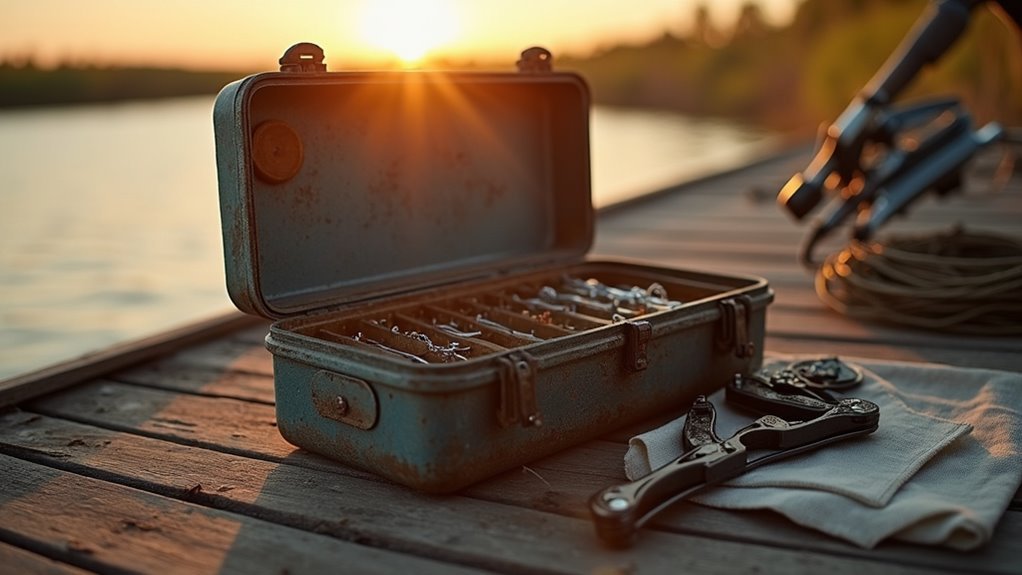
You can save a lot through using simple knot alternatives that are quick to tie and still hold fish.
Try reuse tricks like swapping split rings, straightening and sharpening hooks, and fixing lures with epoxy or a spare swivel to keep gear productive longer. These small fixes pair naturally with easy knots, so you’ll spend less and fish more without stress.
Simple Knot Alternatives
Want to tie rigs faster and spend less time fumbling with tiny knots? You’ll love simple knot alternatives that save time and money while keeping your gear solid. Use easy loops to give lures natural action and quick changes.
Try slip knots for fast leader length tweaks and secure hooks without complex braids. These tricks help you belong to a practical crew who values smart, simple solutions.
- Use a non slip loop for lively baits and quick swaps
- Tie a small slip knot to adjust leader length on the bank
- Use a clinch style twist to lock hooks whenever you don’t want bulky knots
Transitioning to these methods links convenience with reliability so you’ll fish more and stress less.
Reusable Lure Fixes
After learning a few quick knot tricks to speed up your rigging, you’ll find it’s easy to repair and reuse lures instead of tossing them after one snag. You’ll want a small kit with pliers, super glue, soft-file, split rings, and spare hooks.
Start with lure reshaping through filing bent lips or trimming torn softbaits to restore action. Use glue on cracked plastic joints and heat a warped blade gently to reshape it.
Whenever hooks dull or bend, do a quick hook replacement with matched sizes to keep balance and hookup rates. Swap split rings to reduce stress points.
These DIY rigs and terminal tackle hacks save cash and build confidence. You’ll feel proud passing on the waste and sharing tips with friends.
Repair and Maintain Gear to Extend Life

At the moment gear gets dinged up, taking a little time to fix and care for it will save you money and keep you fishing more. You belong to a crew that protects gear and shares simple fixes.
Start with cleaning line after each trip to spot frays and knots. Then, practice lubricating reels gently to prevent grit and rust. Small repairs build confidence and keep you casting.
- Inspect rod guides and wrap minor cracks with clear thread and glue
- Replace hook points, sharpen or swap trebles, and check split rings
- Carry spare line, a tube of reel oil, spare screws, and a bit of epoxy
These steps link upkeep to longer life and more days on the water with friends.
Set Up a Compact, Affordable Tackle Box
You’ll want a compact tackle box that holds only what you truly need so you can grab it and go without fuss.
Start with essentials organized in small compartments like hooks, weights, swivels, and a few softbaits, then add multi-purpose lures such as small spinners and micro crankbaits that cover different depths and species.
Keeping items grouped and labeled helps you swap rigs fast and keeps costs down while still giving you real versatility on the water.
Essentials-Only Organization
Should you’re trying to keep fishing simple and wallet-friendly, a compact, essentials-only tackle box will make every trip calmer and more productive. You want minimalist storage that supports clutter reduction while still holding what you need.
Pick a small tackle tray or Altoids tin and divide it for hooks, weights, and a few softbaits. That keeps choices clear and confidence high.
- Limit contents to 8–12 items total so you’ll learn each tool and trust it
- Include basics: hooks, split shot, swivels, a few soft plastics, and a small pair of pliers
- Use labeled compartments and elastic bands to secure gear and avoid mess
This setup helps you feel part of a group that fishes smart and spends less.
Multi-Purpose Lures
Keeping your tackle box small doesn’t mean you have to sacrifice variety, and choosing multi-purpose lures will help you fish smarter with less gear. You can pick a few versatile lures that work in many situations.
Start with soft plastics in neutral color patterns that mimic baitfish and insects. Add a small crankbait and a spinner to cover subsurface and faster retrieves. Choose lure shapes that match common prey so you don’t carry duplicates. Pack a topwater popper for calm mornings and a micro jig for tight spots.
Store them in one compact tray so you can swap rigs fast. You’ll feel confident with a curated set. Fish with friends, trade tips, and enjoy catching more without extra clutter.
Budget‑Minded Upgrades Worth Splurging On
When you start with a basic setup, it makes sense to save where you can, but a few budget minded upgrades are worth splending on because they pay off in fish landed and frustration avoided. You belong to a group that cares about smart choices. Pick upgrades that lift performance without breaking trust in your kit.
Consider premium reels for smooth casts and retrievals and advanced lines that reduce breakoffs and improve bite detection. They pair well with your existing rod and lures.
- Premium reels with good drag and bearings for long life and fewer lost fish
- Advanced lines like fluorocarbon or braided cores for sensitivity and strength
- Comfortable grips and quality hooks to reduce fatigue and increase hookup rate
These choices protect your time, money, and shared love of fishing.
Fish Local and Seasonal Spots to Cut Costs and Catch More
Once you learn the rhythms of nearby waters, you’ll spend less and catch more through fishing local and seasonal spots.
At the time you focus on local fish, you build knowledge that saves money. You’ll know which baits work, what times of day are best, and where shore access is easy.
Seasonal patterns guide your choices. In spring you’ll try shallow plugs, in summer you target deeper edges, in fall you match baitfish, and in winter you slow down with small jigs.
You’ll share tips with neighbors and join friendly groups to trade spots and lures. That sense of community keeps costs low and confidence high.
Stay curious, keep records, and adapt as conditions change to stay successful.
Track Spending and Test Gear: A 4‑Step Routine

In case you want to save money and get gear that actually works, start with tracking what you buy and trying each item on the water. Keep a simple spending journal so you see patterns and avoid duplicate purchases. You’ll feel supported when you share observations with other anglers and learn what lasts.
- Log purchase date price and purpose
- Try each lure rig or combo and record performance
- Rate comfort durability and catch success during gear evaluation
Next, use those records to prioritize future buys and evaluate alternatives in one session. When you compare results you build confidence and belonging. Small trials let you tweak line weight or lure size without wasting cash.
This routine is steady practical and friendly so you’ll keep improving.
Frequently Asked Questions
Can I Fish Effectively Without Buying a Boat or Kayak?
Yes - you can fish effectively from shore; you’ll learn spots, casts, and tactics that work. Join local groups, borrow gear, and use community rentals for occasional water access so you’ll feel supported and connected while saving money.
How Do I Store Gear Long‑Term to Prevent Rust and Deterioration?
Seal everything like you’re protecting ancient treasure: keep reels and tools in dry storage, wiped and lightly oiled, line off hooks, silica packets inside tackle boxes, and you’ll join fellow anglers who guard gear like kin.
Are There Free or Low‑Cost Fishing Clinics or Mentorships Available?
Yes - you’ll find free or low‑cost community workshops and peer guidance through local clubs, bait shops, parks programs, and volunteer angler groups; you’ll feel welcomed, learn hands‑on skills, and gain ongoing mentorship without hefty costs.
What Budget-Friendly Apps or Maps Help Find Private Access Points?
Use apps like Fishbrain, Navionics, and Google Maps to spot public access and fishing hotspots; you’ll share pins, trailheads, and launch spots, join friendly groups, and feel welcome swapping tips and local access advice.
How Do I Handle Lost Tackle and Minimize Environmental Impact?
Consider lost tackle as drifting confetti; you’ll pick up what you can, carry a small bag for tackle disposal, switch to biodegradable materials where possible, and invite friends-your fishing crew-to help keep waters clean and shared.