Book Appointment Now

8 Best Fishing Boat Shoes for 2026
ByBEGUM
A good pair of fishing boat shoes handles wet fiberglass, splashed docks, and long days spent standing without turning every cast into a balance exercise. I consider deck traction, drainage, toe coverage, and the balance between support and airflow, because the right footwear also works around harbors, pools, beaches, and rainy outdoor projects. Two picks in this roundup are complementary angling garments rather than shoes, so I’ve identified that distinction clearly.
A Fast Comparison Of The Options
PickWhy We Picked ItBest ForAction

Outdoor Ready
Columbia PFG Rambler Water Short
Water-ready swim short
Warm-water fishing days

Feature Rich
Columbia PFG Bonehead Fishing Shirt
Organized angling storage
All-day fishing outfits

Performance Leader
Columbia Tamiami PFG
Wet-deck traction focus
Boats and slippery docks
Thoughtful Design
Sperry Billfish 3-Eye Boat Shoe
Classic leather styling
Docks and casual outings
Comfort Choice
KEEN Newport H2 Water Sandal
Protective sandal versatility
Harbors and warm climates

Value Pick
MAYZERO Wide Toe Water Shoes
Roomy multi-use design
Beaches, pools, and docks

Travel Ready
YALOX Quick-Dry Aqua Socks
Compact pool-to-beach use
Packing light for vacations

Workshop Pick
Trudave Waterproof Deck Shoes
Wet-weather ankle coverage
Fishing, farms, and gardens
Why These Options Stand Out
The Rambler belongs beside a pair of fishing boat shoes in a warm-weather outfit, but it is not footwear. Its regular fit and water-focused construction suit anglers moving between shoreline, shallow water, and a boat, while the absence of restrictive footwear keeps the look casual.
Advanced water repellency helps the fabric shed splashes, and UPF 50 fabric adds a useful layer of sun protection. The trade-off is limited coverage, so it offers little protection on cool mornings, rough trails, or heavily planted shorelines.
The Good Stuff
- Water repellency supports repeated contact with spray and damp shorelines.
- UPF 50 construction reduces direct sun exposure during long outdoor days.
- A regular fit avoids the close-cut feeling common in technical swimwear.
- Multiple colors and extended sizing options broaden the fit range.
Worth Noting
- This is a swim short, so it cannot provide deck grip, toe coverage, or ankle support.
- Owners should follow the care label closely because technical finishes may change with frequent washing.
Feature Snapshot
Who It Suits Best
Warm-water anglers assembling a lightweight outfit for boats, beaches, and casual shorelines will get the most practical use from this short.
Another Choice May Suit
Columbia Tamiami PFG is the better footwear fit for anglers who need secure contact with wet boat decks.
Like the Rambler, the Bonehead is a complementary garment rather than a boat shoe. Its 100% cotton poplin construction gives it a softer, more familiar feel than technical performance wear, which works well for inshore fishing, family outings, and casual days around the marina.
Storage and airflow carry the design. Multiple pockets reduce clutter, the rod holder keeps a rod within reach, and a mesh-lined vented back helps warm air escape. Cotton can become less comfortable after soaking, however, so it makes more sense on breezy days than during constant spray.
A Few Strong Suits
- Soft cotton poplin feels natural beside denim, cargo shorts, or swimwear.
- A rod holder frees the hands during lure tying and other close tasks.
- Multiple pockets organize small tackle and personal items.
- The mesh-lined back improves ventilation during warm afternoons.
- Extended sizing provides more choice for a close or relaxed fit.
Minor Gripes
- Cotton retains moisture more readily than quick-drying synthetic fabric.
- It remains a shirt and supplies none of the traction required from the listed shoes.
At A Glance
Made For
Casual weekend anglers and marina regulars who favor a soft shirt with practical tackle storage fit this profile well.
A Better Fit Elsewhere
KEEN Newport H2 Water Sandal is the stronger option for warm-weather fishing with frequent dock and shoreline walking.
The Tamiami is the most focused footwear choice here, combining a low-profile boat-shoe shape with materials designed for spray, stains, and wet traction. The mesh upper permits airflow while synthetic components add structure and help keep the exterior cleaner after dockside contact.
Omni-Grip technology provides traction across wet surfaces, and razor-siped outsole channels, meaning small grooves designed to move water away from contact points. That matters on sloped decks, but leather-like styling and a relatively closed upper may feel less ventilated than KEEN Newport H2 in hot weather.
Practical Pluses
- Water and stain resistance simplifies cleanup after fishing sessions.
- Omni-Grip traction targets movement on wet boat and dock surfaces.
- Razor-siped channels help move water away from the outsole.
- Mesh construction balances ventilation with added synthetic support.
Small Caveats
- Mesh may collect salt and fine sand during shoreline use.
- The structured upper offers less open-air comfort than a sandal.
Technical Highlights
Right Fit For
Anglers who spend substantial time standing on wet decks or navigating sloped marina surfaces will appreciate the traction-focused design.
Look Elsewhere When
Trudave Waterproof Deck Shoes suit people who need fuller ankle coverage for damp, rainy work environments.
The Billfish trades technical simplicity for a recognizable leather boat-shoe silhouette that works after the rods are packed. Its three-eye lace layout offers a more secure fit than a slip-on, while the dressier construction suits marinas, waterfront restaurants, and mixed fishing-and-travel days.
I would treat this as a style-led wet-weather option, not the most specialized deck option. Leather requires more attentive care than washable synthetics, and exposed seams can collect water during prolonged spray. The supplied data is sparse, so the listed construction and model identity are the most dependable points to consider.
The Upside
- Leather construction creates a polished option for casual and dressier settings.
- Three-eye lacing permits an adjustable fit and firmer heel hold.
- The familiar boat-shoe shape pairs easily with shorts or trousers.
Where It May Fall Short
- Leather needs more care than water shoes or washable mesh footwear.
- No detailed traction, drainage, or protective-finish information accompanies the listing.
- Owners should expect less ventilation than an open sandal in humid weather.
- Frequent wet use may accelerate cosmetic wear at the seams.
Key Details
Who Should Grab It
Weekend anglers attending waterfront meals or gatherings benefit from the leather styling and adjustable closure.
Reach For A Different Pick When
Columbia Tamiami PFG is more relevant for serious deck use where documented wet traction matters most.
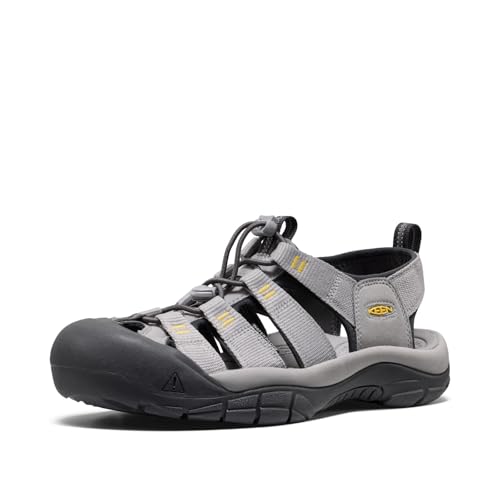
The Newport H2 occupies the useful middle ground between a sandal and a closed shoe. Open construction supports airflow, while the closed toe gives toes more coverage than most water sandals. That makes it convincing for harbor walks, launch ramps, and warm days that alternate between fishing and casual errands.
Siped grooves in the outsole move water away from contact areas, which is a technical approach to wet-surface grip. Washable quick-dry straps also make post-fishing cleanup easier, although secure fit depends heavily on adjustment. Loose straps may feel less stable than the laced Columbia Tamiami PFG on a moving deck.
Benefits That Matter
- Closed toes gain protection from rocks, tackle boxes, and rough dock edges.
- Open side panels promote airflow during humid afternoons.
- Siped outsole channels guide water away from the foot.
- Washable quick-dry straps simplify care after salt or sand exposure.
- Versatility extends from harbors to trails and everyday summer wear.
Practical Considerations
- Strap adjustment and foot shape strongly affect lateral stability.
- The open design offers less protection than the Trudave Waterproof Deck Shoes in cool rain.
Feature Facts
Built With In Mind
Warm-climate anglers who alternate between boat decks, shore paths, and casual errands will value the protective sandal format.
Swap It Out When
Sperry Billfish 3-Eye Boat Shoe better suits anglers who prefer a polished leather profile for waterfront dining.
The wide-toe shape is the defining feature here, especially for anglers who find conventional water shoes cramped around the forefoot. Its title also places it across swimming, beach, pool, hiking, and indoor use, so it looks more like adaptable footwear than a dedicated deck shoe.
Available size combinations are listed for women and men, including broad-toe conversions. The sparse product data leaves out closure, outsole, and material details, which makes careful fit evaluation important. Depending on foot width, the roomy shape may feel loose or may deliver the comfort its design intends.
Useful Highlights
- Wide-toe construction may reduce forefoot compression during long outings.
- The versatile format suits swimming, beach walks, pools, and light hiking.
- Men’s and women’s size combinations accommodate different household needs.
- Low-profile footwear packs more easily than bulky hiking shoes.
Possible Compromises
- No documented outsole design or wet-traction claim appears in the supplied information.
- The broad fit may need adjustment for people with narrower feet.
- Cleaning and drying guidance is absent, increasing reliance on the product page.
- It lacks the dressier appearance of Sperry Billfish 3-Eye Boat Shoe.
Who Will Love This
People with roomier feet who need one casual shoe for pools, beaches, travel, and light shoreline activity fit this profile.
Where A Sibling Pick Shines
Columbia Tamiami PFG offers clearer wet-traction specifications for anglers spending most of the day on a boat.
YALOX takes a lightweight sock approach rather than building a substantial boat shoe. The low-cut form suits beach showers, pool decks, surfing-related activities, yoga, and travel, where carrying bulky footwear takes up too much luggage space. Its water-oriented positioning also makes rinsing after use straightforward.
The honest limitation is purpose. Aqua socks and bare-foot footwear generally provide less isolation from sharp stones than conventional hiking shoes, and the supplied data gives no outsole construction or traction detail. For a calm marina with paved walkways, that may matter little; on rough shoreline terrain, it becomes a meaningful compromise.
What Helps Most
- Low-cut construction keeps packing weight and bulk to a minimum.
- Quick-dry positioning suits pools, beaches, and warm destinations.
- Bare-foot styling preserves a natural feel during casual water activities.
- The shared men’s and women’s format simplifies group packing.
Less-Strong Areas
- Thin protection may be insufficient for sharp rocks and abrasive trails.
- Documented grip performance and outsole materials remain unspecified.
- Long boat days may be less comfortable than in structured footwear.
The Right Fit
Travelers and casual swimmers who pack lightly and use paved paths, pools, and calm beaches make this style practical.
Consider Something Else When
KEEN Newport H2 Water Sandal is the more substantial choice for anglers needing toe protection and water-channeling traction.
The Trudave design shifts away from traditional boat-shoe styling toward full protection for rain, fishing, gardening, and outdoor work. Ankle coverage can keep spray and wet vegetation outside the shoe, which makes it more practical during changeable weather than the open KEEN Newport H2.
The listing identifies waterproof construction, anti-slip intent, and suitability for yards and farms, though it supplies no material, closure, or outsole measurements. Depending on the task, that broader coverage may feel restrictive on hot days. It also lacks the low-profile appearance many dock-focused shoes prioritize.
Strong Points
- Waterproof construction targets rain, puddles, and wet fishing environments.
- Ankle coverage helps block spray, damp grass, and garden debris.
- Anti-slip positioning suits slippery launch ramps and outdoor work surfaces.
- The design supports fishing, farming, gardening, and general yard tasks.
Details To Watch
- Fuller coverage may feel warm during extended summer outings.
- Specific waterproofing, outsole, and fit details are absent from the source.
- Owners should air the shoes after damp use to manage trapped moisture.
Whose Shelf It Belongs On
Anglers, farmers, and landscapers who regularly work around wet ground benefit most from the protective ankle design.
Not Your Match When
Columbia Tamiami PFG better suits boat-focused anglers who want low-profile footwear and documented wet grip.
What Matters Most Before Choosing Footwear For the Deck
Wet-deck performance begins with the outsole. A traction system is designed to increase friction on smooth surfaces, while siped grooves channel water away from the contact area. Columbia Tamiami PFG documents both features, giving it a clearer rationale for boat use than models whose listings provide only a broad water-shoe label.
Coverage should match the setting. Closed shoes protect toes and reduce exposure to spray, while open sandals improve airflow and make cleanup easier. KEEN Newport H2 sits between those formats, whereas YALOX Quick-Dry Aqua Socks favor a low-profile, travel-oriented feel.
Fit can matter more than construction. Wide feet may benefit from the MAYZERO Wide Toe Water Shoes, while adjustable lacing offers a more precise fit for anglers moving on sloped decks. Footwear also needs enough room for swimming socks or ordinary fishing socks without compressing the forefoot.
Material affects maintenance. Mesh can encourage airflow but may collect salt and sand, while leather generally requires more attentive care. Waterproof synthetic footwear can be easier to wipe clean, although trapped moisture requires attention after every wet use.
Common Mistakes And Price Differences
Where Shoppers Go Wrong
Choosing by the boat-shoe label alone can hide major differences in coverage, closure, and outsole design. Compare the actual activities first, especially deck traction, toe protection, drainage, and the likelihood of walking through sand. Trying shoes later in the day with the socks normally worn can also expose fit issues that a quick indoor check misses.
What Separates Premium From Basic
Higher-cost models often place more emphasis on documented traction, structured construction, and refined materials. That extra design may matter for regular anglers, but casual pool and beach visits rarely require the same investment. Paying more becomes more useful as wet-surface time and footwear demands increase.
Frequently Asked Questions
Are leather boat shoes suitable for fishing?
They can suit light dock and marina use, but wet exposure requires careful care. Synthetic water footwear usually has a stronger cleaning rationale for repeated spray.
Do closed-toe water sandals work on boats?
They can, with properly adjusted straps and a suitable outsole. Stability may vary as the boat tilts, so fit is important.
What should I wear for warm-weather fishing?
Lightweight shorts and breathable shirts offer comfort during hot conditions. Water-resistant footwear remains useful around wet decks and launch areas.
How do I dry water shoes after use?
Remove the foot, clear trapped sand, and let both shoes air away from direct heat. Dry soles and uppers help prevent lingering odors and material wear.
Are barefoot water shoes better for fishing?
They provide a natural feel and pack easily, but offer less protection from rocks. Deck-focused anglers may prefer more structured traction and toe coverage.
Final Verdict
Columbia Tamiami PFG is the clearest boat-focused choice, while KEEN Newport H2 Water Sandal serves warm-weather anglers who want more open-air comfort. Trudave Waterproof Deck Shoes fit wet outdoor work, and the remaining options serve narrower swim, beach, travel, or clothing needs. Choose from the actual deck conditions first, then match coverage and fit to the day.
