Book Appointment Now
Chinese Algae Eater: Size, Temperament, and Care Facts
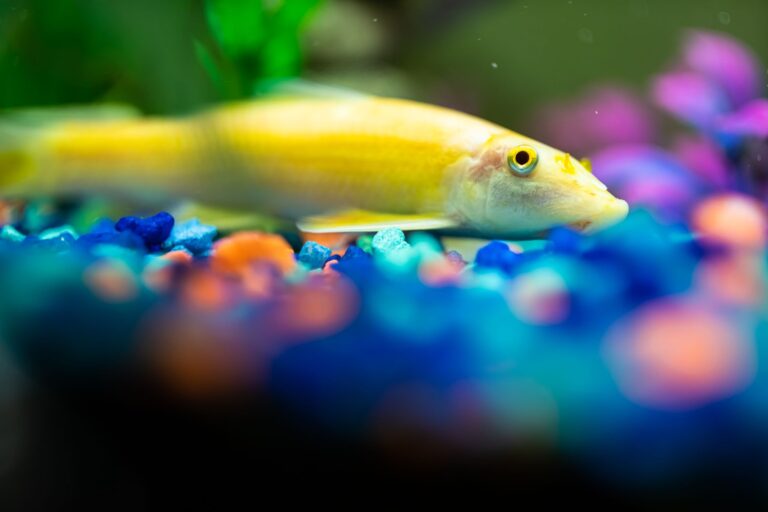
Curious about keeping a Chinese Algae Eater happy and healthy? This guide breaks down size, temperament, and simple care tips so your tank stays balanced.


Curious about keeping a Chinese Algae Eater happy and healthy? This guide breaks down size, temperament, and simple care tips so your tank stays balanced.
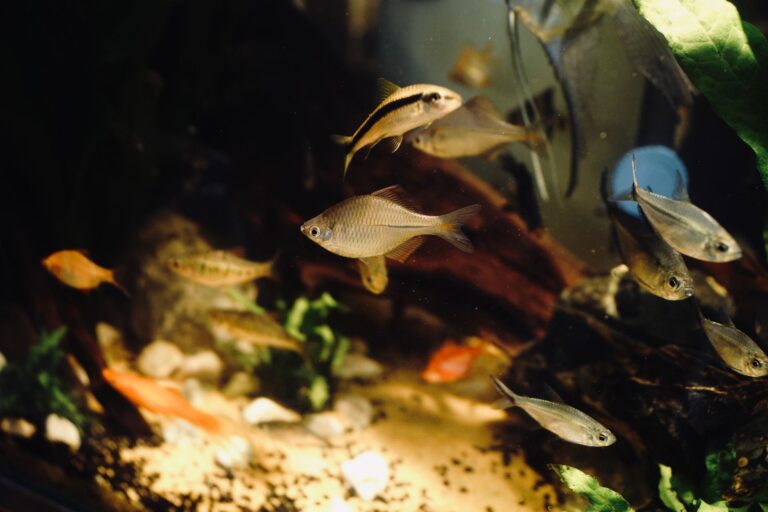
Cherry Barbs are a peaceful, colorful addition to community tanks, and this guide walks you through setup, care, and breeding so you can raise them with confidence.
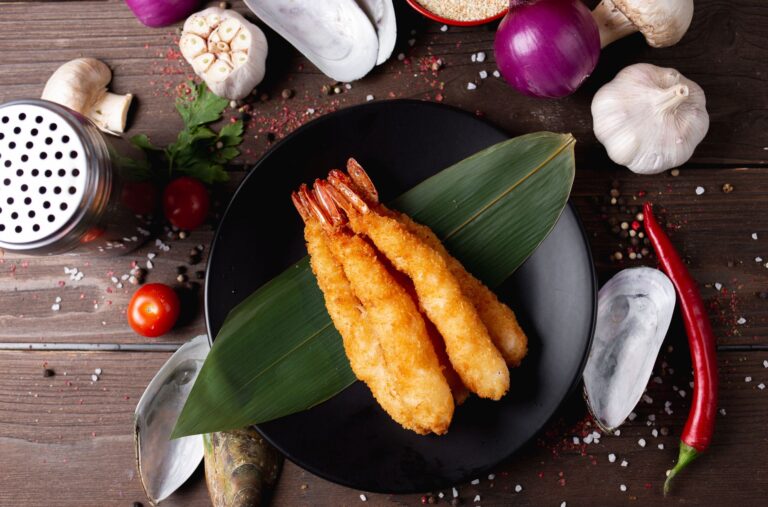
Cherry shrimp (Neocaridina davidi) are small freshwater dwarf shrimp from Taiwan and parts of East Asia, prized for their bright red color, peaceful temperament, and tireless scavenging in planted tanks. Adults reach roughly 1 to 1.5 inches, live 1 to…
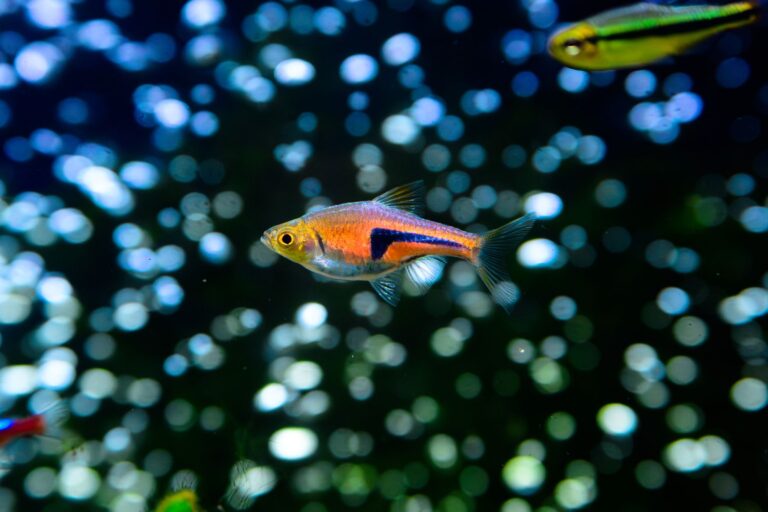
Tiny in size but big in color, the Chili Rasbora rewards careful tank setup and stable water with vivid schooling displays and surprisingly willing breeding at home.
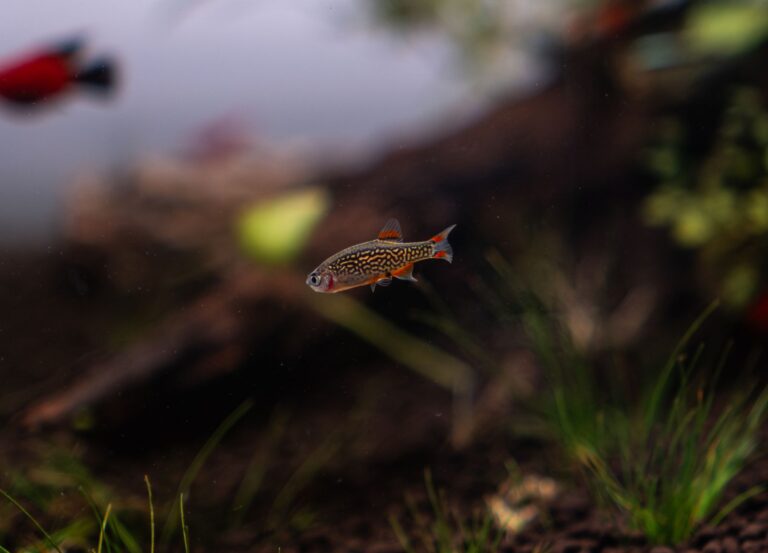
Caring for a Celestial Pearl Danio feels easier once you understand its real needs. This guide breaks down tank setup, water conditions, and breeding tips that actually work.

Get to know the cat shark: from its varied species and ocean habitats to behaviors that make it one of the most fascinating bottom-dwellers.
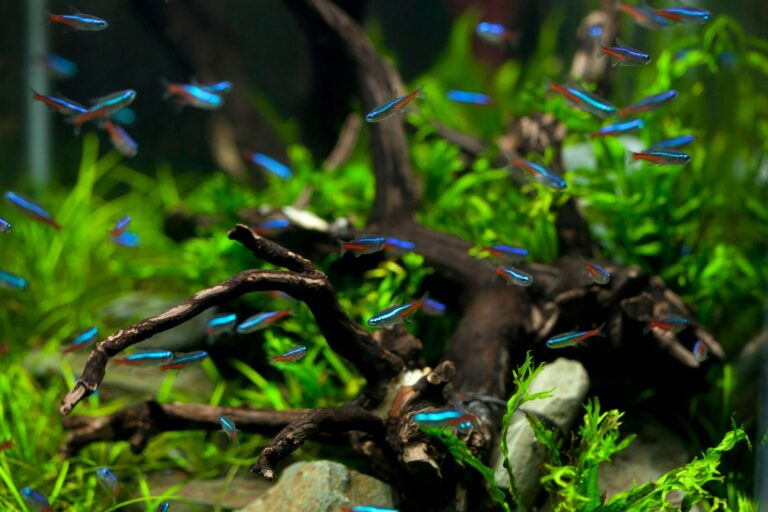
Get a clear walkthrough on Cardinal Tetra care, how to tell them apart from neon tetras, and the tank conditions that keep their colors vibrant.
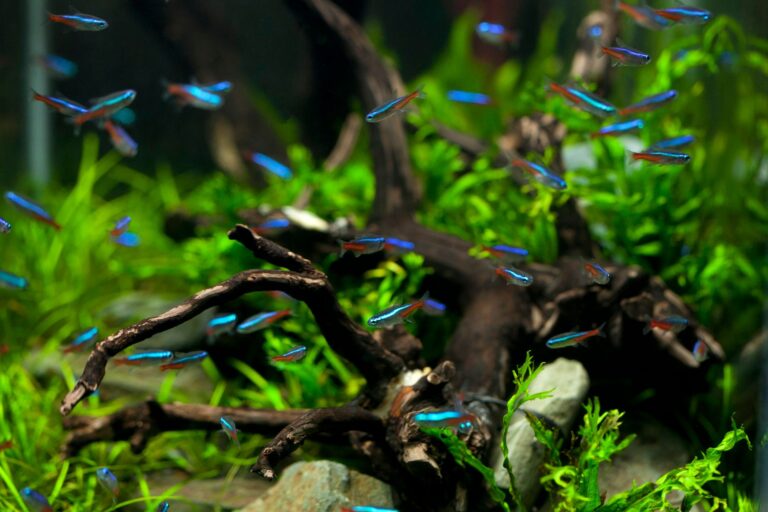
Curious about keeping a Candy Cane Tetra happy in your aquarium? This guide walks you through tank setup, feeding, water parameters, and breeding basics for success.
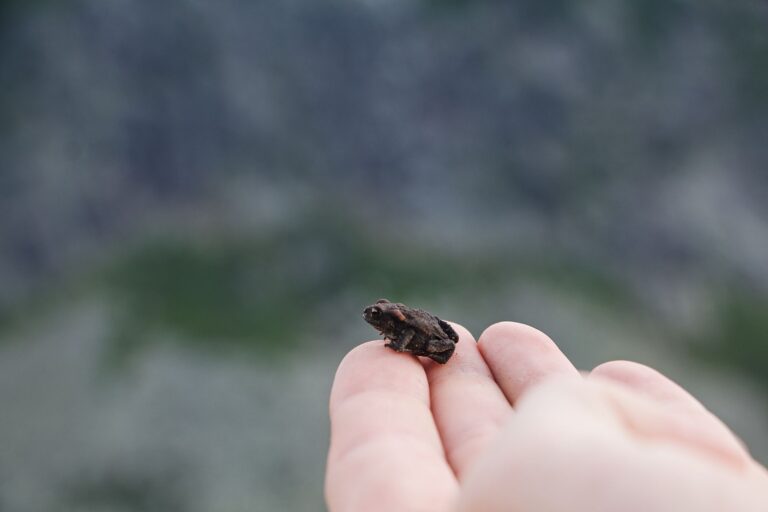
To touch an African dwarf frog is technically possible, yet their permeable skin absorbs almost every substance on your hands within seconds, so the safer answer is to keep contact rare, brief, and carefully prepared. Oils, soap residue, lotion, perfume,…
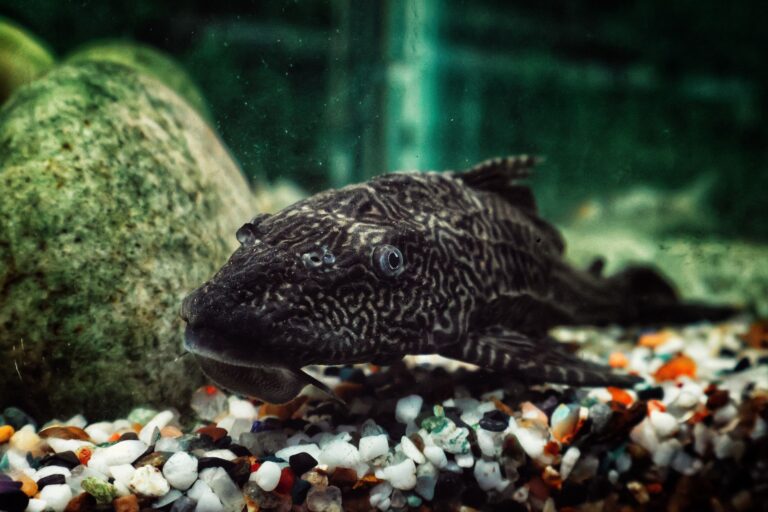
Yes, when the species stay small, the footprint runs wide, and the cave count doubles, two plecos coexist. No, when the species include common plecos (Pterygoplichthys pardalis) under 150 gallons, because most plecos are solitary bottom feeders that defend driftwood…