Book Appointment Now

Are Platies Schooling Fish? What Every Owner Should Know
ByIMRAN
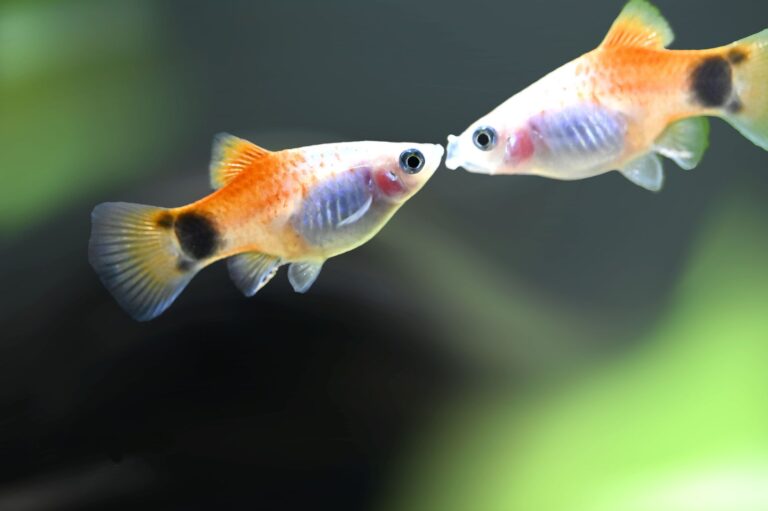
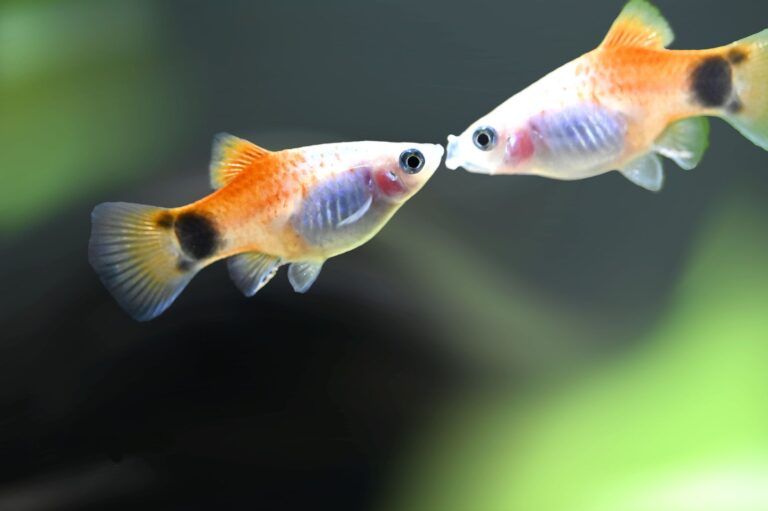
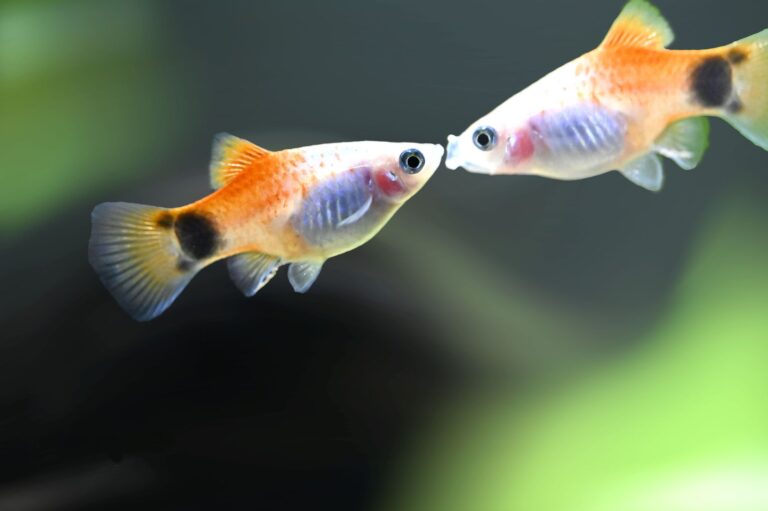
Not in the strict sense: platies are shoaling fish, meaning they group together loosely for company and security rather than swimming in tight, synchronized formation. In a home aquarium, a small group of three to six platies gives them the social comfort they need to show off color, explore confidently, and stay healthy over the long term.
This guide covers how platy social behavior compares to true schooling species, why group size matters for their wellbeing, and how to set up a tank where they thrive. You will find clear stocking numbers, female-to-male ratios, and tank setup details that turn theory into a working plan.
Schooling and Shoaling Are Not the Same Thing
Most freshwater community fish gather in groups, but the way they group varies. Many hobbyists use “schooling” as a catchall, yet the term has a specific behavioral meaning that matters when you’re choosing stock and setting group sizes.
What True Schooling Looks Like
Schooling describes tightly synchronized, polarized movement in one direction. Think of a wall of neon tetras turning in unison, or a stream of rasboras shifting as a single shape. Every fish watches its neighbor and matches speed, direction, and spacing within fractions of a second. The behavior is a predator-defense mechanism, because a coordinated group looks like one large, confusing organism to a hunter.
What Shoaling Actually Means
Shoaling is any loose gathering where fish stay near each other for social comfort. Members of a shoal may swim in different directions, hover at different depths, or spread out across a tank. They benefit from group presence, but they don’t move in lockstep. The behavior is social rather than mechanical, and it is what most livebearers and many small tropical species display in planted community tanks.
Why the Distinction Matters for Your Tank
Recognizing the difference shapes how you plan group size, tank space, and species mix. True schoolers often need larger numbers to feel secure, sometimes eight or more, because the synchronized effect breaks down in small groups. Shoalers like platies typically need fewer individuals to feel comfortable, which influences how many you buy and how much filtration you budget for.
| Behavior | Movement Pattern | Minimum Group Size | Example Species |
|---|---|---|---|
| Schooling | Synchronized, polarized | Often 6 or more | Neon tetra, zebra danio |
| Shoaling | Loose, social, varied | Usually 3 or more | Platy, guppy, molly |
Where Platies Fall on the Social Behavior Spectrum
Platies sit firmly on the shoaling side of that table. They are livebearers in the Poeciliidae family, cousins to guppies and mollies, and they share the social tendencies of that group. You will see them cluster near each other, follow one another to a feeding spot, and rest in loose groups under plants, but they rarely line up and swim in unison.
Platy Behavior in Groups
Three to five companions usually spark more active swimming than a solo platy ever shows. A small group will spread across the middle and upper levels of the tank, occasionally tightening up if a hand approaches the glass or a filter current shifts. Males drift toward females, and females hold their own zones. The grouping is social, not choreographed.
Two Common Species You Might Own
Most pet-store platies are either Xiphophorus maculatus (the southern platy) or Xiphophorus variatus (the variatus platy). Both species display the same loose shoaling pattern, and both respond well to company. If you’re buying from a local breeder or a fish room, you may see sunset platies, wagtail platies, or Mickey Mouse platies, all of which are color or fin variants of those two species.
Why Group Presence Changes Their Look
A crowded tank nudges males into brighter displays and sends females exploring corners they would otherwise ignore. A solo fish often pales in color and hovers near cover. A fish in a group of its own kind tends to hold richer color, swim through open water, and respond to feeding with more energy. The change is usually visible within a day or two of adding companions.
Why Platies Still Benefit From Company
Platy fish are social, even though they do not school. That social nature has real consequences for their health when they’re kept alone in a small tank.
Stress and Immune Function
A lone fish often fades within weeks, its fins clamping and its immune markers slipping. A solo platy often produces higher baseline cortisol, which suppresses appetite and leaves the fish more vulnerable to ich and bacterial infections. Group housing blunts that stress response because the fish reads the environment as safer, and that shift is backed by established fish welfare research from bodies like the Ornamental Aquatic Trade Association.
Color and Behavior
Small groups tend to show brighter colors and more confident swimming patterns. Males in particular display their best fin extensions when they have an audience of females and other males. Even a single companion can shift a fish’s behavior, though a small group produces the strongest effect on color and activity.
Foraging and Breeding
Scattered flake feedings become group hunts, and males begin displaying within hours of a female’s arrival. Platies follow each other to a food source, which is why a group feeding response is more vigorous than a solo one. The same dynamic applies to breeding readiness, because females in a group tend to cycle more reliably than isolated females.
That behavioral boost shapes how you should stock the tank, since the right group size turns social energy into stable health rather than stress.
A solo platy often hides more and may lose interest in food. Adding two or three companions usually reverses that pattern within a week.
Choosing the Right Group Size and Ratio
The short answer is at least three, with five or six being a stronger starting point. The longer answer depends on tank size, filtration, and the male-to-female balance you maintain over time.
Starting Numbers
- Three to six platies: a workable minimum for a 10- to 20-gallon tank and a stable starting point for new hobbyists.
- Two gallons per adult: the rough volume rule when scaling up, so a 20-gallon tank can hold eight to nine adults comfortably.
- Female-biased groups: the standard ratio because it spreads male attention and reduces harassment.
- No solo fish: a single platy is the worst stocking choice, even in a small tank, because the social cost outweighs any space savings.
The Two-to-Three Female Rule
Keep two to three females for every male to reduce persistent harassment. Males court constantly, and a single female in a tank with multiple males will get chased to exhaustion. A 1:2 or 1:3 male-to-female ratio diffuses that pressure and gives every fish a chance to rest, which is why most breeders treat this ratio as a baseline rather than a suggestion.
Why Larger Groups Help
Six or more fish spread out aggression so no single individual absorbs every chase. If you’re raising fry or adding juveniles, a group of eight or ten creates a more natural social ladder. Each fish has space to find its place, and no single individual absorbs all of the breeding pressure.
Matching Bioload
Adjust upward only if tank volume and filtration can support the bioload. Platies are modest waste producers, but they breed readily, and a group of six can become a group of twenty within a few months if fry survive. Plan for growth, and make sure your filter can turn over the tank volume at least four times an hour.
How Platies Compare to Tetras, Danios, and Other Group Fish
Platy fish share a community tank with many species that do school, and understanding those differences helps you choose compatible tank mates and set realistic expectations for the tank’s movement.
| Species | Group Behavior | Minimum Group | Temperament |
|---|---|---|---|
| Platy | Loose shoaling | 3 | Peaceful, social |
| Neon tetra | Tight schooling | 6 | Peaceful, shy |
| Zebra danio | Active schooling | 6 | Lively, fast |
| Guppy | Loose shoaling | 3 | Peaceful, social |
| Molly | Loose shoaling | 3 | Peaceful, larger |
Where Platies Differ From Classic Schoolers
Tetras and danios show strong polarized schooling that platies do not replicate. A school of neon tetras will move as one body, while a group of platies will scatter, regroup, and drift in different directions. The difference is visible the moment you turn the room light on in the morning.
Smaller Groups, Same Comfort
Platies need smaller social groups to feel secure than classic schooling species. A group of three platies holds together as well as a school of eight tetras in terms of stress reduction, because the underlying need is companionship, not synchronized movement. That difference is what allows platies to thrive in smaller community tanks where a tetra school would feel cramped.
Mixing Platies With True Schoolers
Tetras and rasboras swim in tight formation while platies drift nearby, picking up the general pace. A tank of platies and neon tetras looks visually busy in a good way, because the tetras provide synchronized movement and the platies provide color variety. The key is matching temperament and water parameters, not matching group behavior.
Tank Mate Compatibility Basics
Choose tank mates with similar temperament and water parameter preferences. Platies prefer hard, slightly alkaline water in the 72 to 78 degree range, and they do best with peaceful species that tolerate the same conditions. Corydoras catfish, peaceful tetras, and other livebearers all fit. Avoid long-finned tank mates like male bettas if your platies are known fin nippers, which some platy variants can be.
Setting Up the Tank So a Platy Group Thrives
Platy care is straightforward once the tank matches their needs. A 10-gallon starter is enough for a small group, though larger tanks are easier to keep stable. The setup checklist below covers the essentials.
Tank Size and Stocking Math
Provide a minimum of 10 gallons, adding roughly two gallons per additional adult. That math gives you a 20-gallon tank for eight to nine adult platies, which is a comfortable group. Bigger tanks are more forgiving of water quality swings, which is why a 20-gallon long is a popular choice for new platy keepers.
Landscape and Hiding Spots
Plant densely along the back and sides to create visual breaks and resting zones. Java fern, Anubias, and hornwort all work, and they tolerate the harder water platies prefer. Floating plants add shade and reduce skittishness, especially in tanks with bright overhead lighting.
Water Parameters and Temperature
Maintain stable temperature between 72 and 78 degrees Fahrenheit for consistent activity. Platies come from warmer freshwater streams in Central America, and they stay active and colorful in that range. Sudden swings cause stress, so a reliable heater is more important than a powerful one.
Filtration and Maintenance
Choose a filter that turns the tank volume over at least four times per hour. A 20-gallon tank needs at least an 80-gallon-per-hour filter, and sponge filters work well because they support beneficial bacteria without creating strong currents. Weekly water changes of 25 percent keep nitrate below 20 ppm, which keeps the group healthy long term.
Warning Signs to Watch For
Clamped fins held tight against the body are usually the first clue that something is wrong. A healthy platy holds its fins open, shows full color, and swims in the open. A stressed fish tucks its dorsal fin, pales, and parks behind plants. Most stress issues trace back to water quality, group size, or temperature, and they correct quickly once the cause is identified.
Skip the single-platy setup, even in a 5-gallon tank. A 10-gallon with three platies is healthier for the fish and easier to keep stable than a 5-gallon with one.
Putting It Together
Platies are shoalers, not schoolers, which means they value company without needing synchronized movement. A group of three to six, with more females than males, in a 10- to 20-gallon planted tank, gives them the social structure and stable water they need. Get those basics right, and the rest of platy care tends to take care of itself.
FAQ
Are platies schooling fish?
Loose groups of platies drift together for safety, never locking into the synchronized patterns true schoolers display. They group together for social comfort and security, but they don’t swim in tight, synchronized formation the way tetras or danios do. A small group of three to six gives them the company they need.
How many platies should I keep together?
Start with at least three platies, and aim for five or six in a 10- to 20-gallon tank. Keep two to three females for every male to spread breeding pressure, and scale the group upward only if your filter and tank volume can support the extra bioload.
Do platies need to be in groups?
Groups of three or more bring out natural colors, active foraging, and steady breeding behavior. A solo platy often shows stress through faded color, hiding, and reduced appetite, while a fish in a small group holds richer color, swims more confidently, and feeds more actively.
Will platies school with other fish?
Loose following happens, yet their movements never match the mirrored turns of a real school. They adapt well to tanks containing tetras, danios, and other livebearers, and the visual variety tends to be lively rather than coordinated.
Can a single platy live alone?
Survival alone is possible, though most solitary platies fade, hide, and lose color within a month. Faded color, clamped fins, and persistent hiding are common in solo fish. Adding two or three companions typically reverses those signs within a week, which is why solo housing is discouraged even in small tanks.