Book Appointment Now

Are Platies Hardy? A Beginner’s to Their Resilience
ByIMRAN
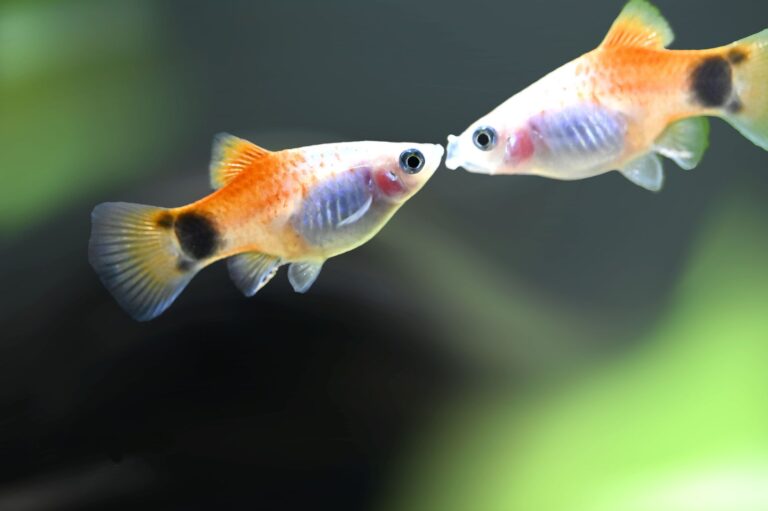
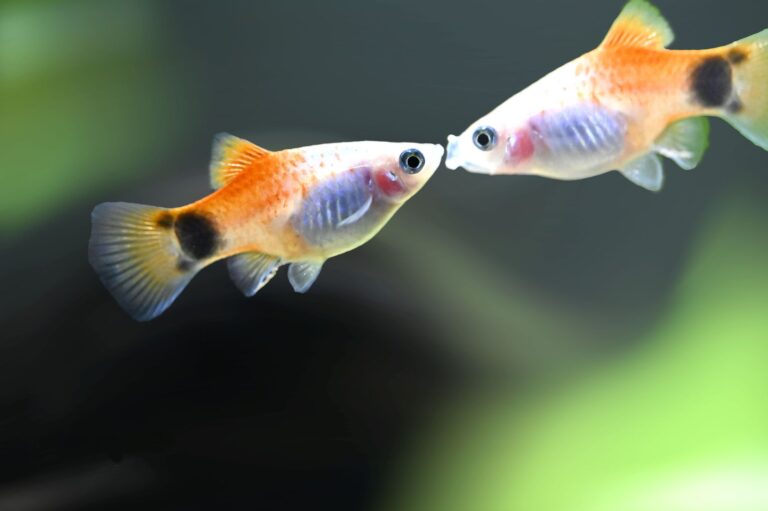
Yes, platies are widely considered one of the hardiest freshwater aquarium fish you can keep, and that reputation comes from real numbers: a 3 to 4 year lifespan in a basic 10-gallon setup, tolerance for pH 7.0 to 8.2, steady temperatures of 70 to 80°F, and a track record of surviving small beginner mistakes that would hospitalize neon tetras or discus. Their biology as livebearers in the Poeciliidae family adds another layer of built-in flexibility. For a new keeper, that combination translates into a fish that forgives missed water changes, brief ammonia spikes during cycling, and minor temperature drift without collapsing.
This beginner-friendly guide unpacks what hardiness really means for freshwater fish and shows why platies earn their reputation as one of the most forgiving livebearers for new aquarium keepers.
What ‘Hardy’ Actually Means for Freshwater Fish
Hardiness in fishkeeping describes a species’ built-in tolerance for imperfect water, minor temperature swings, and the small errors a new keeper makes during the first few months. A hardy fish absorbs a brief ammonia spike during tank cycling, handles a forgotten water change, and keeps swimming instead of collapsing. That tolerance is a biological trait shaped by wide natural ranges and flexible metabolisms, and it shows up most clearly in species that have spent generations adapting to variable conditions.
Hardy does not mean indestructible, and confusing the two is the most common mistake new keepers make. A hardy fish still needs a cycled tank, stable temperature, and basic feeding, but it survives the gaps between those basics that would kill a more delicate species. Think of hardiness as a wider margin for error rather than a free pass to skip care, because the margin closes fast when neglect stacks up.
- Wide parameter tolerance: Accepts a broad pH range and steady tropical temperatures without visible stress.
- Disease resistance: Recovers quickly from common freshwater illnesses like ich when treated early.
- Metabolic flexibility: Handles short-term fluctuations in ammonia, nitrite, and nitrate during the cycling process.
- Behavioral calm: Adapts to community tankmates and varied tank layouts without constant hiding.
Before buying any fish, ask whether the species can survive the mistakes you are most likely to make in your first six months. Hardiness is the answer to that question, not a label on a pet-store tag.
Beginners often treat “tough” as a synonym for “easy,” which leads to skipped water changes, no heater, and overstocked tanks. The fish that survive those conditions are not the tough ones; they are the ones lucky enough to land in a forgiving species. Platies sit firmly in that forgiving category, but they still reward proper care with brighter colors, longer lives, and active breeding.
Why Platies Earn Their Reputation as One of the Hardiest Livebearers
Two species anchor the platy trade: Xiphophorus maculatus (the southern platy) and Xiphophorus variatus (the variatus platy), both members of the Poeciliidae family of livebearers. Decades of captive breeding in commercial farms have selected for fish that thrive on prepared foods, tolerate crowded holding tanks, and breed at small sizes. Each generation reinforces those traits, and the result is a domesticated line that is noticeably hardier than wild ancestors.
Built-In Tolerance From Generations of Selection
Farm-raised platies have spent thousands of generations in concrete vats with variable water quality. The fish that survived passed on genes for stress tolerance, and breeders kept the most adaptable bloodlines. Buying from a local breeder or a respected shop usually means you get fish that have been line-bred for resilience, not color alone. Wild-caught platies exist in the trade but are far less forgiving and rarely recommended for a first setup.
Livebearer Biology as a Hardiness Signal
Livebearers give birth to free-swimming fry instead of laying eggs, and that reproductive strategy signals a species adapted to unpredictable environments. Platies that can carry a brood to term, deliver healthy fry, and raise them in a community tank demonstrate strong environmental flexibility. Guppies, mollies, swordtails, and platies all share this biology, and most sit near the top of any beginner-friendly list for the same reason.
That flexibility shows in the numbers. Captive platies tolerate pH 7.0 to 8.2, hardness from soft to moderately hard, and a steady temperature window of 70 to 80°F. Compare that to discus, which demand 82 to 86°F and soft, acidic water with almost zero ammonia tolerance, and the gap in hardiness becomes obvious. A fish that breeds at 72°F in tap water outranks one that needs a 300-gallon setup and RO filtration.
The Conditions Platies Handle With Ease
Platies shrug off conditions that would hospitalize sensitive species. A small ammonia spike during cycling, a missed weekly water change, or a heater that drifts a few degrees will not wipe out a healthy platy group the way it might decimate a school of cardinal tetras. That margin is exactly why they are the first livebearer recommended to most new keepers and why so many first tanks survive their first year with platies at the center.
Small Parameter Fluctuations
During the aquarium nitrogen cycle, ammonia and nitrite rise before beneficial bacteria colonize the filter. Sensitive fish often die in that window, while platies tolerate short spikes of 0.25 to 0.5 ppm ammonia without visible stress. Keep testing the water, but do not panic if a cycle is not perfectly clean by week three. Your platies can bridge that gap far better than most tropical species.
Varied Tank Setups
A planted community tank, a simple bare-bottom quarantine bin, or a standard 10-gallon with gravel and a few hiding spots all work for platies. They explore every level, accept a wide range of décor, and adjust to gentle filtration as long as the flow is not blasting them across the tank. Avoid pairing them with known fin nippers like tiger barbs, and your group will settle in within hours.
Group Living Reduces Stress
Platies are social fish and do best in groups of 3 to 5, with more females than males to keep the males from pestering a single female to exhaustion. A small group spreads out aggression, encourages natural behavior, and shows hardiness more clearly because stressed, isolated fish mask resilience with hiding. Buying at least three at the start sets the tone for a calmer, more visible tank.
Where Platy Hardiness Reaches Its Limits
Hardy is not the same as invincible, and platies have real thresholds. Cross these and even the toughest captive-bred fish will sicken or die. Knowing the ceiling matters more than celebrating the floor, because the floor is where most beginner losses happen, and the ceiling is where preventable deaths pile up.
Conditions That Still Stress or Kill Platies
Chronic ammonia above 0.25 ppm, nitrite above 0.5 ppm, or nitrate climbing past 40 ppm over weeks will break down even a hardy platy’s immune system. Unheated tanks that drop below 68°F for long stretches slow their metabolism, invite fungal infections, and stop breeding. Neglected water changes, especially in small tanks under 15 gallons, concentrate waste faster than the filter can process it.
| Stressor | Threshold | Likely Outcome |
|---|---|---|
| Chronic ammonia | Over 0.25 ppm for days | Gill burn, fin rot, death |
| Unheated tank | Below 68°F long-term | Slowed immunity, fungal infections |
| Skipped water changes | Over 30% nitrate buildup | Stress, appetite loss, disease |
| Aggressive tankmates | Fin nippers, large cichlids | Wounds, chronic stress, hiding |
Common Diseases and Recovery
Ich (white spot disease) and fin rot are the two most frequent platy illnesses, usually triggered by a stressor like a temperature drop or a dirty tank. A healthy platy recovers from ich within 7 to 10 days when treated with a standard copper-free medication and the temperature is raised slightly to 78 to 80°F. Fin rot clears up with clean water and a mild antibacterial treatment, but only if the underlying water quality is fixed first. Medicine without clean water rarely works on any fish, and platies are no exception.
Captive-Bred vs. Wild-Caught Lines
Line-bred platies from reputable breeders or local fish stores are noticeably hardier than freshly imported wild stock. Wild-caught fish arrive stressed, often carry parasites, and demand softer, more stable water. For a beginner setup, always ask whether the fish are tank-bred and, if possible, from a local breeder who can tell you about the line.
Platies Compared to Guppies, Mollies, and Other Starter Fish
Platy hardiness lands in a specific spot on the beginner spectrum: tougher than guppies against temperature swings, more forgiving than mollies on water hardness, and less demanding than danios when it comes to tank size. Comparing them side by side makes the tradeoffs obvious and helps you pick the species that fits your water and your habits.
| Species | Temperature Range | Water Hardness | Best Tank Size | Beginner Rating |
|---|---|---|---|---|
| Platy (X. maculatus) | 70 to 80°F | Moderate to hard | 10 gallons | Excellent |
| Guppy | 72 to 82°F | Moderate to hard | 10 gallons | Very good |
| Molly | 75 to 82°F | Hard, alkaline | 20 gallons | Good with prep |
| Zebra danio | 64 to 75°F | Soft to hard | 20 gallons (active school) | Excellent |
| Corydoras catfish | 72 to 79°F | Soft to hard | 20 gallons (group of 6) | Excellent |
Platies vs. Guppies on Temperature
Platies hold their own in cooler water down to 70°F, while guppies prefer a tighter 74 to 82°F range and slow down below that. In an unheated or lightly heated room, platies stay active and feed normally where guppies start to sulk.
Platies vs. Mollies on Water Chemistry
Mollies share livebearer biology but need harder, more alkaline water with extra salt tolerance that most freshwater community tanks do not provide. They also grow larger and demand a 20-gallon minimum, which puts them out of reach for many beginner setups. Platies hit the same livebearer milestones in a smaller, simpler package.
Platies vs. Danios and Corydoras on the Hardiness Spectrum
Zebra danios and corydoras are the other classic starter picks, and both are remarkably tough. Danios handle cooler water and high flow, while corydoras thrive on the bottom and need a group of at least six. Platies fill the middle ground: warm-water tolerant, middle-dwelling, live-bearing, and happy in a small group.
Setting Up a Tank That Lets Platy Hardiness Shine
Hardiness is a starting point, not a finish line. The setup you build before adding platies decides whether you see their full 3 to 4 year lifespan or a slow slide into preventable disease. A cycled tank, stable temperature, and a small group give platies everything they need to look their best and reward you with a breeding community.
Cycling the Tank First
Run the aquarium nitrogen cycle for 3 to 4 weeks before adding fish, using a fishless method with pure ammonia or a small amount of fish food to feed the bacteria. Test the water until ammonia and nitrite both read 0 ppm and nitrate sits below 20 ppm. Platies can survive a fish-in cycle better than most species, but starting with a mature filter removes the largest source of beginner losses.
Minimum Tank and Equipment
A 10-gallon tank is the practical floor for a small group of three platies, with a gentle hang-on-back or sponge filter, a 50 to 100 watt heater set to 76°F, and a simple LED light on an 8 to 10 hour day cycle. Add live plants like java fern or hornwort if you want extra cover and natural nitrate control, but they are not required. Avoid strong currents, since platies prefer calmer water than danios or hillstream loaches.
Choosing Tankmates
Pair platies with similarly sized, peaceful community fish: neon tetras, harlequin rasboras, corydoras, or small gouramis all work. Skip fin nippers like tiger barbs, aggressive cichlids, and any species large enough to swallow an adult platy. A mixed community with one inch to two inch fish gives every species room to feed and hide.
Feeding and Water Changes
Feed a quality tropical flake once or twice daily, with the occasional treat of blanched zucchini, brine shrimp, or daphnia. Remove uneaten food after two minutes to keep ammonia low. A weekly 25% water change keeps nitrate under control and refreshes minerals, which matters more in small tanks than large ones.
Stable and simple beats fancy and fragile. A 10-gallon tank with a cycled filter, a heater set to 76°F, and three platies will outperform a high-tech setup that skips water changes every week.
A properly kept platy reaches the full 3 to 4 year lifespan, breeds readily in a mixed-gender group, and gives a beginner the kind of visible success that builds confidence. The hardiness is real, but it is the setup that unlocks it.
That setup is where the real payoff happens once the comparisons have narrowed the choice to a middle-dwelling, live-bearing species.
Bottom Line
Platies are among the hardiest freshwater fish you can keep, and their tolerance for pH 7.0 to 8.2, temperatures of 70 to 80°F, and the small mistakes every new keeper makes is the reason they top so many beginner lists. Hardiness buys you a wider margin for error, not a license to skip cycling, heating, or water changes. Pair a cycled 10-gallon tank, a small group of three to five platies, and a 25% weekly water change, and the species will reward you with years of color, activity, and a thriving livebearer community.
FAQ
Are platies hardy fish?
Yes. Platies tolerate a wide pH range of 7.0 to 8.2, steady temperatures of 70 to 80°F, and minor ammonia or nitrite spikes during the cycling process. They are widely considered one of the hardiest livebearers in the freshwater trade, which is why they are a top pick for new keepers.
Why are platies considered hardy?
Decades of captive breeding in Xiphophorus maculatus and Xiphophorus variatus lines have selected for stress tolerance, disease resistance, and adaptability to prepared foods. As livebearers, they reproduce easily in captivity, which is itself a sign of strong environmental flexibility.
What water conditions do platies need?
Platies thrive in pH 7.0 to 8.2, moderate to hard water, and a steady temperature of 70 to 80°F. Ammonia and nitrite should stay at 0 ppm, with nitrate under 40 ppm. A cycled filter and weekly 25% water changes keep those numbers stable in a small setup.
Are platies good for beginner fishkeepers?
Yes. Platies forgive small mistakes like a missed water change or a brief temperature dip better than most tropical species. They eat standard flake food, coexist with common community fish, and breed readily when conditions are right, which gives beginners visible, fast feedback.
Do platies need a heater?
In most homes, yes. A 50 to 100 watt heater set to 76°F keeps platies active, supports their immune system, and prevents the temperature drops below 68°F that invite fungal infections. In a stable room that never falls below 72°F, a heater becomes optional, but most keepers run one year-round.
How long do platy fish live?
Captive platies live 3 to 4 years on average in a well-maintained tank, with some line-bred individuals reaching 5 years. Stable water, a varied diet, and a stress-free community all extend the upper end of that range.