Book Appointment Now

Fishing Spot Selection
ByIMRAN
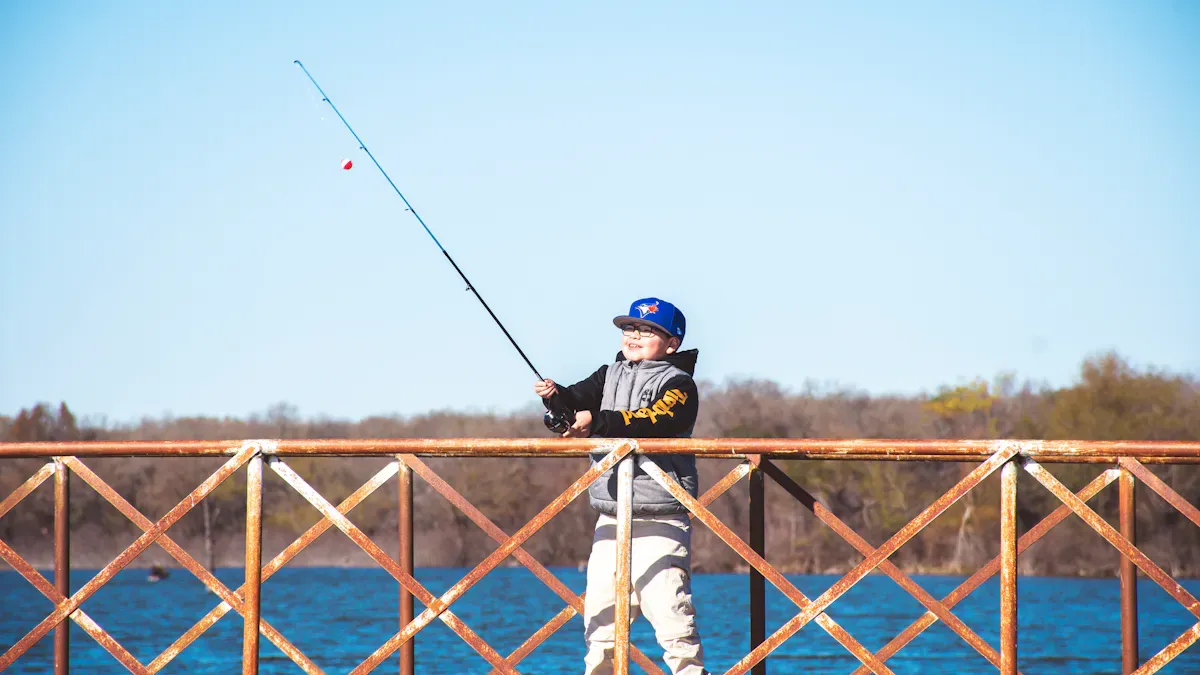
Selecting the best fishing spot selection can change your fishing experience. Imagine spending hours casting your line, only to find out you’re in the wrong place. You want to increase your chances of catching a big fish! Factors like water type, depth, and seasonal changes are crucial for your fishing spot selection. Remember, different fish prefer different environments. For example, bigger fish often hide near rocks or logs. So, consider these factors to enhance your fishing trips!
Key Takeaways
- Pick the right type of water for your fish. Freshwater fish live in lakes and rivers. Saltwater fish like the ocean better.
- Look for places with cover and structure. Rocks and fallen trees attract fish. They also keep fish safe from predators.
- Change your fishing plan with the seasons. Fish act differently when the temperature changes. So, prepare for spring, summer, fall, and winter.
- Use maps and local tips to find good fishing spots. Local guides and fishing apps give helpful advice and recent catch info.
- Always check safety and access before you fish. Look at the ground and wear a life jacket for a safe time.
Key Factors in Fishing Spot Selection
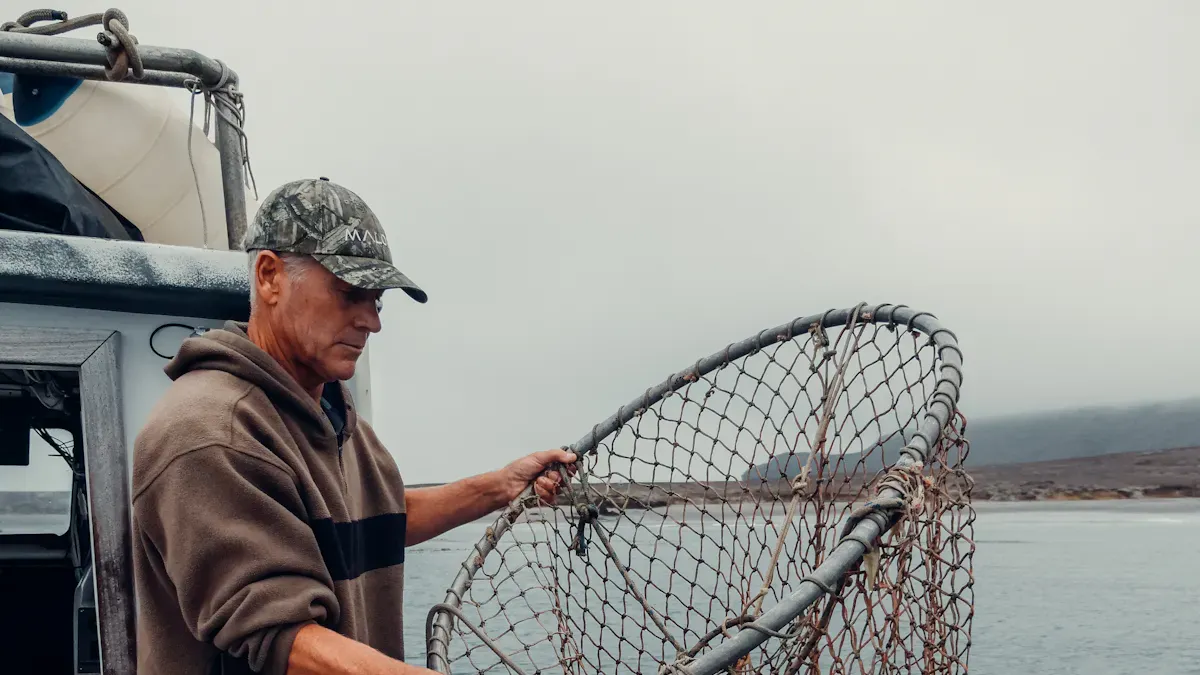
Picking the right fishing spot means knowing some important factors. These factors can really affect how well you do while fishing. Let’s look at the details!
Water Type
The kind of water you fish in is very important. It helps decide which fish you might catch. Different fish live in different places. For example, freshwater fish are in lakes, rivers, and ponds. Saltwater fish swim in oceans and estuaries. Here’s a quick look at how water type affects fish:
| Water Type | Fish Species Availability |
|---|---|
| Freshwater | Lakes, rivers, and ponds |
| Saltwater | Oceans and estuaries |
| Behavior | Affected by water flow and other factors |
Knowing the water type helps you catch fish better. If you want bass, fish in freshwater lakes. If you want snapper, go to saltwater spots.
Cover and Structure
Cover and structure are important for attracting fish. Fish look for places to hide from predators and strong currents. Things like rocks, fallen trees, and plants give fish good hiding spots. Here are some reasons why fish like these areas:
- They have food, which brings fish to these spots.
- Structures keep fish safe from currents and predators.
- They are good places for fish to lay eggs.
- Fish gather where water flow changes, leading to more fish.
When looking for good fishing spots, find areas with lots of cover. Trees that hang over the water can help too. They provide shade and food like insects.
Seasonal Considerations
Seasonal changes affect fish behavior and movement. As temperatures change, fish act differently. Here’s how to change your fishing plans based on the seasons:
- Spring: Fish in shallow waters near where they spawn. Fish get more active as it warms up.
- Summer: Go for deeper, cooler waters when it’s hottest.
- Fall: Search for places with lots of food, as fish eat more to get ready for winter.
- Winter: Use slow baits in deeper waters and check ice thickness for safety.
Fish are cold-blooded, so their behavior changes with water temperature. When it gets warmer, fish eat more. When it’s cooler, they slow down. Knowing these patterns helps you find the best fishing spots all year.
By thinking about water type, cover and structure, and seasonal changes, you can make your fishing trips better and catch more fish.
How to Find Fishing Spots
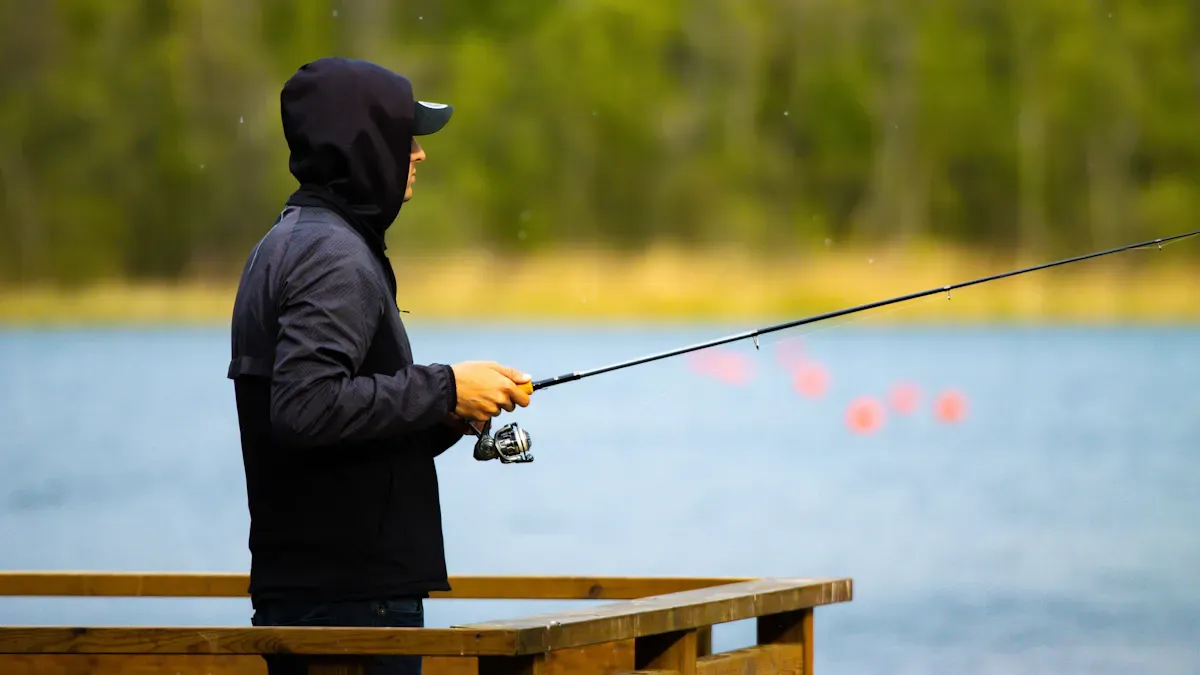
Finding a great fishing spot can feel like a treasure hunt. Luckily, you have many tools and resources to help you. Let’s look at some good ways to find new fishing places!
Using Maps and Local Reports
Maps are very helpful for finding fishing spots. They show you where to go and what to expect. Here are some mapping tools that can help you find both freshwater and saltwater fishing spots:
| Mapping Tool | Description |
|---|---|
| Bathymetric Maps | These maps show what is under the water. They help you find fish homes based on depth and ground. |
| Nautical Charts | Great for ocean areas, these charts give depth info in fathoms. They are perfect for saltwater fishing. |
| Satellite Imagery | Aerial images show underwater features in clear waters. They are useful for both freshwater and saltwater. |
| Fishing Apps | Special apps have features for anglers. They make your fishing experience better. |
With these tools, you can look at land features and plan your fishing trips. Local reports can also give you helpful information. They often include recent catch data and conditions. This helps you decide where to fish.
Seeking Local Advice
Don’t forget about local knowledge! Talking to local bait shops and fishing guides can lead you to great spots. These experts usually know the best places to fish.
Guides don’t just rely on their own experience. They share information with other captains, marina staff, and bait shops. They also keep track of weather changes and tide updates. Recent bite reports and local conditions help guides confirm or change plans before fishing.
By talking to locals, you can learn about good techniques and seasonal patterns. This advice can be very helpful in your search for fishing spots.
Online Resources
The internet is full of information for anglers. Many online platforms give accurate and up-to-date fishing spot info. Here are some of the best:
| Platform | Features |
|---|---|
| Fishbrain | Access to 14 million catch locations, high-quality depth charts, AI predictions, and local fishing reports. |
| Fishing Points | Offers shared catch reports, local hotspots, and tools for planning trips. |
| Smart Fishing Spots | Uses a special algorithm to predict the best fishing days based on conditions. |
User-generated content on fishing forums is also important. You can find quick feedback and personal stories from other anglers. This shared knowledge can help you choose fishing spots based on what has worked for others.
Using these resources can make your fishing experience better. Here are some strategies to think about:
- Use online maps to look at land features.
- Use satellite images for real-time water conditions.
- Talk to local guides for tips on hidden spots.
- Check local fishing rules to understand seasonal patterns.
- Watch natural signs like insect hatches and bird behavior to find fish.
By using these methods, you’ll be ready to find fishing spots that improve your chances of success.
Evaluating the Perfect Fishing Spot
When you get to a possible fishing place, it’s time to check it out for the best fishing spot. Here are some important things to think about.
Assessing Water Depth
Water depth is very important for fish activity. Different fish like different depths based on their habits and water temperature. For example, many fish do well at about 10 meters deep, where light and habitat are just right. Here’s a quick look at some things to check for water depth:
| Criteria | Description |
|---|---|
| Bottom Water Temperature | This is key for fish groups; different groups are found in depths from 5 to 46m based on temperature changes. |
| Depth Correlation | Depth is closely linked to water temperature; deeper areas near the Gulf Stream have tropical fish. |
| Thermal Threshold | Lionfish show a thermal limit; they are found where winter temperatures are above 59°F (15°C). |
By knowing these things, you can focus your fishing efforts better and boost your chances of catching fish.
Identifying Fish Cover
Finding fish cover is key for spotting the perfect fishing area. Fish often look for places that keep them safe from predators and currents. Here are some good ways to find fish cover:
- Look for structure: Search for spots with docks, rocks, and changes in depth. These areas usually attract fish.
- Use satellite maps: Online satellite maps can show underwater structures that you might not see from the shore.
- Observe patterns: Watch fish behavior and where they go over time to improve your fishing skills.
Natural features like bends in rivers or where two waters meet can also be great spots for fish.
Accessibility and Safety
Before you start fishing, check how easy and safe it is to reach your chosen spot. Here are some important things to consider:
| Safety Consideration | Description |
|---|---|
| Terrain Accessibility | Make sure the ground is safe to walk on. Rocky or slippery shores can be dangerous. |
| Fishing with a Buddy | It’s safer to fish with someone else. If you go alone, tell someone where you are and when you’ll be back. |
| Life Jacket | Always wear a good life jacket, especially when fishing from a boat or in deep water. |
| Surroundings Check | When you arrive, look around for any dangers. |
| Water Hazards | Be careful of deep, fast-moving water or slippery banks. |
By checking these factors, you can have a safer and more fun fishing experience.
Picking the best fishing spot can change your fishing trips. Think about important things like water type, cover, and seasonal changes. These factors can help you find great places.
Also, ask local guides for advice. They can make your experience better with their skills and knowledge. Find guides who listen well and adjust to what you need.
FAQ
What are the best fishing spots near me?
To find the best fishing spots near you, check local maps, talk to local anglers, or use fishing apps. These resources can help you discover popular locations based on recent catches and conditions.
How do I find good fishing spots from shore?
Good fishing spots from shore often include areas with structure, like rocks or fallen trees. Look for places where water currents change or where fish can find cover. Local reports can also guide you to these spots.
What time of day is best for fishing?
Early morning and late evening are often the best times for fishing. Fish tend to be more active during these hours, making it easier for you to catch them.
How can I tell if a fishing spot is safe?
Check for stable terrain and avoid slippery banks. Always wear a life jacket when fishing from a boat. Look for any hazards in the water, like strong currents or deep areas.
What should I bring for a successful fishing trip?
Bring your fishing gear, bait, and a cooler for your catch. Don’t forget sunscreen, water, and snacks. A map or fishing app can help you find the best spots.