Book Appointment Now

Fishing Rod Length: Choose Based on Fishing Style

Rod length sets the tone for every cast: short rods deliver tight control and fast hooksets, mid-length rods offer a versatile balance for finesse and pitching, and long rods stretch out distance for surf and open water. Choose based on fishing style, tight cover and crowded shorelines favor compact gear, while open water benefits from reach. Match rod action, line weight, and height for comfort and better performance. Try a few lengths to feel how each one changes accuracy and casting power.
Pick a Rod Length in 60 Seconds
Should you need a rod fast, pick one that fits the water and the lure and you’ll be ready in 60 seconds. You’ll feel included whenever you use this instant guide to match gear with place and bait.
Start alongside considering about tight spots where short rods help you steer under branches and docks. For general shore or boat work, quick picks like a 6′ to 7′ spinning rod cover most bites and calm your mind.
Keep in mind simple length rules: choose shorter for control and longer for reach. Use these steps: scan water, take note obstacles, match lure weight, then grab the rod that feels balanced. You’ll join others who fish confidently whilst keeping decisions fast and friendly.
How Rod Length Affects Distance, Accuracy, and Presentation
At the point you pick rod length, you trade off casting distance against accuracy and how a lure behaves in the water. Longer rods help you fling baits farther and mend line, while shorter rods give you tighter casts and finer presentation in tight cover.
Keep reading and I’ll show how specific lengths change distance, accuracy, and lure action so you can choose the best rod for the situation.
Casting Distance Trade-Offs
Because longer rods throw more line with each cast, you’ll usually get extra distance without changing your technique, but that gain can cost a bit of accuracy and finesse.
You’ll notice wind resistance rises with length, so you’ll match rod taper and line weight to keep control.
Longer rods pick up and release more energy, which helps when you use aerodynamic lures, yet that same energy can make delicate presentations harder.
Should you want distance without losing too much feel, choose a moderate length and a softer tip, or pick a stiffer blank for heavy baits.
Practice casts in different conditions to find what fits you.
Trust the feel, tweak gear, and lean on community tips to grow confidence together.
Accuracy And Lure Presentation
Even though longer rods usually give extra distance, rod length also shapes how accurate your casts feel and how natural your lure presents, so you’ll want to pick a length that matches the water, cover, and the tricks you use.
You’ll notice short rods give tighter line control and pinpoint placement under docks and trees, which helps whenever you need a precise lure angle to tempt shy fish.
Medium lengths balance distance and accuracy so your lure lands softly and moves true.
Longer rods send bait farther and mend line easily, but you might lose finesse in tight cover.
Consider the water, your favorite techniques, and the kind of control you want, then match rod length to play to your strengths.
Best Rod Lengths for Bass: Flipping, Pitching, and Open-Water Casting
Should you desire confident hookups and tight casts, choosing the right rod length for bass flipping, pitching, and open water casting matters a lot.
For flipping and pitching into bank cover you’ll want a 6’6” to 7’1” casting rod. That length helps with flipping mechanics, gives leverage for a strong hookset timing, and keeps you close to heavy cover without overreaching.
Whenever you pitch into mid-depth brush, the same rods let you control the lure through the water column and set hooks fast.
For open-water casting, move to 7’ to 7’4” rods. They enhance casting distance and line control for moving baits.
You’ll feel more confident, belong to the community, and fish with consistent success.
Rod Length for Spinning and Finesse Techniques
Upon selecting a spinning rod for finesse work, you’re balancing casting distance with control so you can place tiny baits where fish feed.
A longer 7 foot class rod helps you reach farther and mend line, while a slightly shorter 6 to 6.8 foot rod gives you tighter control and quicker, more accurate presentations.
Pay attention to tip sensitivity too, because a responsive tip lets you feel subtle bites without losing the casting or control you need.
Casting Distance vs Control
If you want more casting distance without losing finesse, picking the right spinning rod length matters a lot. You’ll find a 7 foot rod often balances distance and control, helping your line control and swing mechanics feel natural. You belong with anglers who trust a rod that lets them cast farther yet keep delicate presentations. Longer rods add reach and pickup, shorter rods give pinpoint accuracy. Match lure weight and water conditions, and you’ll feel confident.
| Length | Best Use | Feeling |
|---|---|---|
| 6.6–7.0 ft | Finesse rigs, Ned rigs | Confident control |
| 7.0–7.3 ft | Jigs, moving baits | Balanced distance |
| 6.0–6.8 ft | Tight spots, accuracy | Precise comfort |
Stick with what fits your cast and your crew of friends.
Rod Tip Sensitivity
A sensitive rod tip is your initial line of feeling on finesse setups, and picking the right spinning rod length changes how much you sense every tick and subtle bite. You’ll feel small bites better with a 7 foot spinning rod tuned for finesse. That length gives tip sensitivity without losing casting control.
Shorter 6 to 6.8 foot rods add accuracy in tight spots while keeping decent vibration transfer to your hand. Longer 7 to 7.2 foot rods extend reach and smooth vibration transfer across more of the blank, helping detect subtle follows.
Match medium light action for soft presentations and faster tips for crisp feedback. Trust your feel. Practice with partners, compare rods, and you’ll belong to anglers who read water and bites.
Rod Length Rules for Surfcasting, Saltwater, and Long Casts
When you want to reach farther into breakers, pull fish off sandbars, or keep your line clear of crashing surf, longer rods give you the reach and line pickup you need.
You’ll lean on surf rods and long casting techniques in saltwater setups to manage waves and land more fish.
You’ll pick length according to shoreline type, bait weight, and wind.
Wave management strategies matter, so you’ll choose extra length whenever waves threaten your line.
You’ll still want control for hookups and lure presentation.
Trust your crew of fellow anglers and practice casts together to refine distance and accuracy.
| Situation | Suggested Length |
|---|---|
| Beach casting | 9 to 14 ft |
| Windy surf | 10 to 12 ft |
| Bait fishing | 11+ ft |
| Short casts | 7.5 to 9 ft |
Choose Rod Length for Cover, Boats, and Personal Comfort
For fishing tight cover, from laydowns and thick grass to crowded boat decks, your rod length can make or break the day, so pick something that fits how you like to fish and where you fish.
You want a rod that helps with cover routing and feels right when you cast and fight fish.
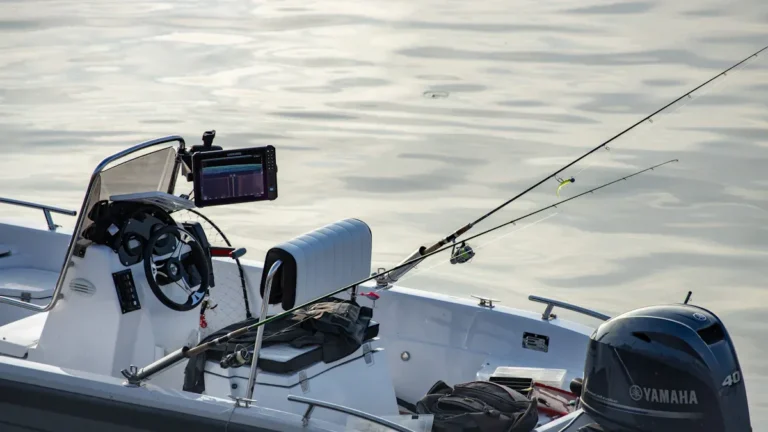
In boats, consider boat ergonomics primarily. Shorter rods free space, lower tangles, and keep motion smooth on cramped decks.
On shore or around wood, a 6.6 to 7.1 foot rod gives accuracy and enough leverage.
Should you value comfort, match rod length to your height and casting style so fatigue fades and confidence grows.
Try rods before you buy so you join the crew that fishes well together.
Frequently Asked Questions
What’s the Best Rod Length for Kayak Fishing?
For kayak fishing, you’ll usually want a 6’6”–7’6” rod for balance and accuracy in sit on top boats; you’ll avoid barn door paddling, feel part of the group, and cast comfortably in tight or open water.
How Does Rod Length Affect Lure Retrieval Speed?
Shorter rods speed retrieves through increasing line tension and allowing quicker, tighter retrieve cadence; longer rods slow cadence but smooth motion and carry lures farther, so you’ll choose length to match rhythm and group fishing style.
Do Rod Lengths Differ for Ice Fishing?
Yes, you’ll favor short rods for ice fishing, they’re like a trusted glove; you’ll use tip down rigs with shorter sticks for sensitivity and control, and you’ll fit right in with other anglers on the hole.
What’s Ideal Rod Length for Ultralight Trout Setups?
You’ll want a 5’6”–6’6” ultralight rod, since short casts and delicate presentations matter; you’ll feel connected to fellow anglers while enjoying precise control, subtle bite detection, and effortless casting of micro lures for trout.
Can Rod Length Impact Hookset Depth on Soft Plastics?
Yes - shorter rods give crisper hookset mechanics. For example, you land a bass with a 6’6″ and feel faster tip transfer. With soft plastic rigs, you’ll set deeper, and you’ll belong to anglers who trust control.