Book Appointment Now

Fishing Tackle Organization Tips: Save Time on Every Trip

A quick five‑minute prepset cuts trip panic and boosts catch chances. Learn a simple system for color‑coded boxes, modular trays, and ready‑grab rigs so lures are at hand when action starts. Sort baits by species and action, label hooks and leaders by size, and stash spares in waterproof sleeves. Keep a tiny editable inventory and a pre‑trip checklist to keep gear dry, reduce tangles, and speed swaps for calm, efficient fishing outings.
Quick 5-Step Tackle Prep Before You Go
Grab your box and let’s get you ready to catch fish without wasting time. You’ll start choosing a core setup for the day that matches the water and mood. Next, make seasonal adjustments to colors and weight so your choices hit right for temperature and activity. Then check tackle hygiene by wiping damp lures, drying boxes, and replacing rusted hooks.
Pack modular boxes for function so you can swap them into a bag quickly. Label the ones you’ll use today for fast grabs. Stash backups for common failures like snapped leaders and lost hooks. Lay items out for order of use so nothing gets buried. These steps help you feel prepared, connected to your crew, and confident on the water.
Start a Simple Tackle Inventory Checklist
Start via making a simple checklist you’ll actually use every time you head out on the water. Keep it friendly and short so your crew feels included whenever you share gear duties. List essentials like rods, reels, hooks, weights, and key lures.
Add a seasonal inventory line so you track what changes with weather and species. Take note of batteries, line strength, and spare leaders.
Include a maintenance schedule for cleaning reels, sharpening hooks, and replacing frayed line. Use clear labels and a single sheet or app that everyone can edit.
Review after trips and cross items off together. This keeps gear ready, reduces stress, and helps you feel like part of a dependable group that fishes smarter.
Sort Lures by Action and Target Species
You’ll find more fish and less fuss once you match a lure’s action to the species you’re after, so keep crankbaits, jigs, and soft plastics grouped according to how they move.
Also organize according to retrieval speed so you can grab a fast-rolling bait for active fish or a slow, subtle profile for finicky feeders. This simple setup saves time on the water and helps you feel confident about every cast.
Match Action To Species
Match lure action to the fish you’re after and you’ll spend less time guessing and more time catching.
Whenever you organize, label boxes according to species specific actions so you can grab the right motion fast.
Consider lure profile matching: a slim, fast bait imitates fleeing baitfish for stripers while a bulky, slow wobble suits bass cruising cover.
Group lures according to action and then according to target species in clear trays or zip bags.
That way you see both profile and intended prey at a glance.
You’ll feel part of a team every trip once your system works.
Keep common combos together, make a note of preferred retrieves on labels, and rotate seasonal picks.
This setup helps you fish confidently and enjoy being with other anglers.
Organize By Retrieval Speed
Once you sort lures according to retrieval speed, you make choosing the right action fast and instinctive on the water. You’ll group lures according to how fast you reel them and according to target species so your hands go to the right bait without thought. Use rapid access compartments for plugs, spoons, soft plastics, and jigs. Label each slot and keep immediate grab lures in front for high pressure moments. This builds trust in your kit and teammates.
| Retrieval Speed | Typical Species |
|---|---|
| Slow crawl | Bass, trout |
| Medium steady | Walleye, pike |
| Fast burn | Stripers, tuna |
| Erratic twitch | Panfish, perch |
This system connects action to species, so everyone feels prepared.
Organize Hooks and Terminal Tackle by Size
Upon sorting hooks and terminal tackle according to size, you’ll save time on the water and feel more confident making quick changes, especially whenever fish are picky or conditions shift. You’ll want clear size gradation so you can grab the right hook fast, and simple labeling helps everyone in your group feel included and ready. Also consider corrosion prevention via keeping saltwater and freshwater items separate and using desiccant packs.
- Use divided boxes with ascending sizes for instant selection
- Label compartments with size and type so friends can help
- Add small silica packs and rinse gear after use for longevity
Those steps link neat sizing to longer life, and they make rigging together alongside your crew easy and calm.
Pack Tackle Lines and Spools to Prevent Tangles
You’ll save time and frustration whenever you secure line ends before you pack spools, so they don’t unwind in your bag.
Label each spool with line type and pound rating so you can grab the right line fast without guessing.
These two simple steps work together to keep your tackle neat and ready for the next trip.
Secure Line Ends
Tuck line ends neatly and you’ll save time and spare a lot of frustration before your next cast. You’ll feel part of a group that cares about small wins. Secure tucked line ends with simple clips or heat shrink caps so spools don’t unwind in your bag. Use methods that are quick and reliable whenever you pack lines and spools to prevent tangles. Try options that match your gear and routine.
- Use rubber bands or silicone clips for quick holds
- Slide heat shrink caps over loose leaders for a long lasting seal
- Thread tucked line ends into spool holes or use small clothespins
These steps connect to packing choices and make rigging faster. You’ll enjoy calm prep time and more time fishing.
Label Spool Contents
Labeling spool contents makes finding the right line quick and keeps spools from turning into a tangled mess in your bag. You’ll feel part of a fishing crew whenever you use simple spool labeling.
Wrap each spool and jot pound trial, material, and length on a waterproof tag. Add color tags for quick visual cues so you can grab braid, fluorocarbon, or mono without pondering.
Use consistent placement and clear handwriting so friends can help and everything still reads weeks later. Pack spools upright in a divided case and secure loose ends with small bands.
Whenever you swap lines, update the tag. These small steps help you stay organized, save time at the boat, and make group trips smoother and more fun.
Label and Color-Code Tackle Boxes for Faster Picks
If you’d like faster, less stressful picks whenever you’re on the water, color-coding and clear labels make a huge difference. You’ll feel more confident whenever every box has purpose.
Use color coding to group according to function or species so choices are obvious at a glance. Add waterproof labels to edges and lids for durability and easy reads after rainy trips. That simple combo keeps your crew synced and welcomed.
- Match colors to fish types or lure families for instant recognition
- Use waterproof labels on trays, tubs, and clear boxes for lasting legibility
- Keep a consistent scheme across bags, boat bins, and home storage
These steps save minutes and reduce stress, helping you focus on the cast and the shared joy of fishing.
Choose Tackle Boxes, Trays, and Totes That Fit Your Kit
Pick tackle boxes, trays, and totes that match how you fish and what you carry on a trip so gear is always ready whenever the bite hits. You want boxes with size compatibility so your favorite trays and soft plastics nest without wasted space. Choose clear trays for quick picks and deep totes for bulky items like nets and coats.
Look for stackable designs to save room at home and on the boat, and label each layer so friends and family can help without guessing. Mix hard boxes for terminal tackle with modular trays for lures, then slide them into a tote for easy transport. Whenever you select gear together, you’ll feel confident, included, and ready to fish with your crew.
Create Ready-to-Grab Rigs and Pre-Tied Leaders
You’ll save time and stay calm on the water whenever you keep a selection of pre-tied leaders and ready-to-grab rigs organized.
Use labeled, compartmentalized storage and quick-change knots so you can swap setups in seconds without fumbling.
With a few reliable leader options and smart storage, you’ll fish more and worry less.
Pre-Tied Leader Options
Getting ready faster on the water means having pre-tied leaders and ready-to-grab rigs packed and within reach, so you can swap setups in seconds whenever fish are active or conditions change.
You’ll want a mix of braided leaders for strength and abrasion resistance and monofilament options for stretch and subtle presentation. Pack labeled rigs alongside species and water type so friends and new anglers feel welcome whenever you share gear. Keep rigs untangled and easy to see in clear sleeves or small boxes. Consider length and knot type once you tie or buy leaders so each rig serves a clear purpose.
- Saltwater shock leaders and freshwater nylon options
- Fluorocarbon tippets for finesse bites
- Heavy braided leaders for toothy fish
Rig Storage Solutions
Since you already keep pre-tied leaders and ready rigs handy, storing them so they’re truly grab-and-go makes a huge difference on the water.
You want systems that protect line memory, keep hooks sharp, and make you feel part of a crew that’s always prepared.
Use labeled rig boxes to separate styles, sizes, and target species.
Slide rigs into clear sleeves or small tubes and tuck those into box slots.
For rods with rigs attached, slip rod sleeves over tips to prevent tangles and store vertically in a rack.
Keep a few rigs in a waterproof pouch for storms and stash extras in your glovebox.
Rotate kits after trips, replace used leaders, and invite a buddy to copy your setup so you both fish smarter.
Quick-Change Knotting
Expert quick-change knotting to make rigs and leaders you can grab and trust as fish are biting. You’ll feel part of a crew whenever your pre-tied leaders are ready and labeled. Learn speed knots for mainline-to-leader joins and tie small loops for easy swaps. Pack emergency swivels alongside each rig so you can change leaders fast should a tangle or break happens.
- Keep rigs organized according to species and water so you grab the right rig fast
- Store backups in clear, labeled bags with dates and knot type for confidence
- Practice a couple of reliable knots until they’re muscle memory and pack those pre-tied leaders
This approach saves time, reduces stress, and makes every trip smoother with friends.
Set Up Boat and Shore Quick-Access Systems
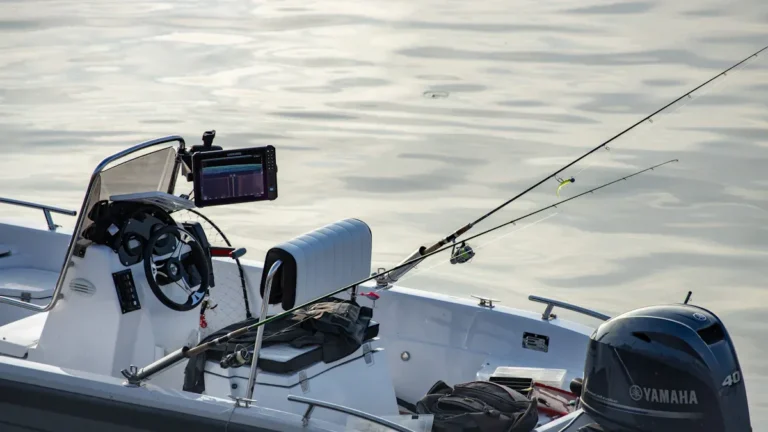
You’ll want to set up quick-access systems on your boat and shore kit so you can react fast once a bite happens. Keep a bow mount spot for rods you reach from the front and a shore station chest for walking swaps. Label pockets and use clear boxes so friends feel welcome and know where stuff goes. Place hooks, leaders, and top lures in easy trays. Practice swaps with your group so everyone trusts the flow.
| Area | Items | Access tip |
|---|---|---|
| Bow mount | Rods, pliers | Velcro straps |
| Shore station | Spares, leaders | Zip pockets |
| Side pockets | Lures, weights | Clear boxes |
Store backups near handles, rotate items after trips, and invite others to learn the layout.
Pre-Trip & Post-Trip Checklists and Troubleshooting
Before you head out, take a calm minute to run through a clear pre-trip checklist so nothing essential gets left behind and you won’t scramble at the last minute.
You belong to a group that cares about gear and time, so start with weather checks and pack accordingly. Tend to gear sanitation after each trip to protect fish and keep your tackle lasting. Use simple prompts so your brain can relax and trust the process.
- Check rods, reels, lines, and backups
- Verify bait, lures, license, and weather checks again
- Quick gear sanitation kit, initial aid, and spare batteries
After fishing, unpack, dry gear, disinfect handles and nets, restock depleted bags, and note any troubleshooting needs before the next outing.
Frequently Asked Questions
How Do I Store Scented Soft Plastics Long-Term Without Odor Transfer?
Store scented soft plastics in scent sealing, airtight bags or containers, and practice plastic segregation by grouping like scents separately. You’ll feel confident aware odors won’t transfer, keeping gear ready and your tackle community proud.
Can I Use Household Containers Instead of Tackle Trays Safely?
Yes - you can, but check plastic alternatives and container safety initially: choose food-grade, airtight, and non-reactive bins, label everything, color-code for community consistency, and avoid flimsy plastics that’ll warp or leach odors over time.
What’s the Best Way to Dry Hooks and Lures to Prevent Rust?
Perfectly placed: you’ll pat gear, rinse, then set hooks and lures on air dry racks, use desiccant packets in storage, keep community-shared routines, and you’ll return items promptly to prevent rust and belong to tidy anglers.
How Do I Organize Tackle for Shared Use With Family Members?
Use a clear label system and shared bins so everyone knows what’s where; you’ll assign personal trays, color-code gear, keep common items accessible, and rotate responsibilities so family members feel included and care for the tackle together.
Are There Travel Restrictions for Fishing Gear on Planes or Ferries?
Yes - you’ll face airport restrictions for sharp hooks and certain liquids, while ferry policies vary; check airline and ferry rules, pack barbless or protected gear, and join fellow anglers’ forums for shared tips and reassurance.