Book Appointment Now

5 Best All Around Kayak Size Options for 2026
ByIMRAN
For everyday paddlers, the best kayak size balances stability, speed, payload and ease of transport.
A lineup from a compact 9’6″ to a roomy 13.5′ covers casual outings, fishing, solo touring and tandem trips.
Shorter boats offer light weight and nimble handling, mid-length hybrids add glide plus gear options, and longer hulls carry more load for longer days on the water.
Below I’ll outline five sizes and how each fits different paddling styles and needs.
| Perception Rambler 9.5 Sit-on-Top Kayak |
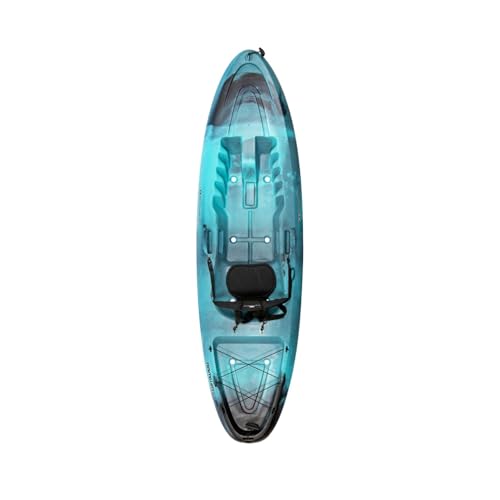
| Beginner-Friendly | Type: Sit-on-top kayak | Length: 9’6″ (9.5 ft) | Material / Construction: Polyethylene sit-on-top construction (made in USA) | VIEW LATEST PRICE | Read Our Analysis |
| Perception Hi-Life 11 Sit-on-Top Hybrid SUP Kayak |
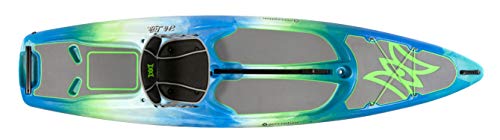
| Versatile Hybrid | Type: Hybrid sit-on-top kayak / SUP | Length: 11′ (132 in) | Material / Construction: One-piece polyethylene (PE) hull and deck | VIEW LATEST PRICE | Read Our Analysis |
| Perception Tribe 13.5 Tandem Sit-On-Top Kayak |

| Best for Two | Type: Sit-on-top tandem kayak | Length: 13.5 ft (165 in) | Material / Construction: Polyethylene (PE) | VIEW LATEST PRICE | Read Our Analysis |
| Pelican Sentinel 100X Angler Sit-on-Top Fishing Kayak |

| Fishing-Optimized | Type: Sit-on-top fishing kayak | Length: 96″ (8 ft) | Material / Construction: Ram-X (durable polyethylene-based material) | VIEW LATEST PRICE | Read Our Analysis |
| Perception Tribe 11.5 Sit-On-Top Kayak with Storage |

| Storage-Focused | Type: Sit-on-top kayak | Length: 11’5″ (115 in) | Material / Construction: Polyethylene (made in USA) | VIEW LATEST PRICE | Read Our Analysis |
More Details on Our Top Picks
Perception Rambler 9.5 Sit-on-Top Kayak
Should you want a stable, easy-to-handle sit-on-top that works across lakes, bays, light surf and slow rivers, the Perception Rambler 9.5 is built for you: its 9’6″ length and 32″ beam give supreme stability and maneuverability. You’ll find an all-around design that’s nimble yet confidence-inspiring, with molded footrests and an adjustable seat back for a personalized fit. In-floor scuppers let splash drain, and rear deck cordage secures gear. At 47 lbs and made in the USA, it’s manageable to carry using four handles. With a 250 lb capacity, it’s a practical choice for casual paddlers.
- Type:Sit-on-top kayak
- Length:9’6″ (9.5 ft)
- Material / Construction:Polyethylene sit-on-top construction (made in USA)
- Seating Capacity:1
- Storage Options:Rear deck storage with elastic cordage
- Max Weight / Capacity:250 lbs
- Additional Feature:Supreme stability design
- Additional Feature:In-floor scuppers
- Additional Feature:Four carry handles
Perception Hi-Life 11 Sit-on-Top Hybrid SUP Kayak
In case you want a versatile craft that lets you paddle seated or stand up for SUP use, the Perception Hi-Life 11 delivers with an 11′ hybrid sit-on-top design and a 280 lb capacity that suits most solo recreational paddlers and anglers. You’ll appreciate the molded polyethylene hull, rear swim platform for easy reentry, and a seat that doubles as storage and a cooler. Front and rear gear tracks accept accessories intended for fishing or touring, while grab handles ease transport. At 132 x 34 x 9 inches and 55 pounds, it balances stability and portability, backed with a 5-year hull warranty.
- Type:Hybrid sit-on-top kayak / SUP
- Length:11′ (132 in)
- Material / Construction:One-piece polyethylene (PE) hull and deck
- Seating Capacity:1
- Storage Options:Rear swim platform; seat doubles as storage/cooler; front & rear gear tracks
- Max Weight / Capacity:280 lbs
- Additional Feature:Rear swim platform
- Additional Feature:Seat doubles as cooler
- Additional Feature:Front & rear gear tracks
Perception Tribe 13.5 Tandem Sit-On-Top Kayak
Should you want a stable, roomy tandem kayak that handles both casual outings and longer day trips, the Perception Tribe 13.5 is a solid pick thanks to its 13.5-foot length, 500-pound capacity, and comfortable framed seats for two. You’ll find molded knee/thigh areas, integrated footrests, and cushioned seat pans that keep paddling comfortable. Its polyethylene hull is durable, and scupper holes aid drainage (plugs sold separately). Storage includes front and rear tank wells with bungees plus two central hatches. Two solo mount recesses let you add accessories. At 79 pounds, it’s manageable with one-piece side carry handles.
- Type:Sit-on-top tandem kayak
- Length:13.5 ft (165 in)
- Material / Construction:Polyethylene (PE)
- Seating Capacity:2
- Storage Options:Large rear tank well with bungees; front tank well; two central hatches
- Max Weight / Capacity:500 lbs
- Additional Feature:Two solo mount recesses
- Additional Feature:Two central hatches
- Additional Feature:Large rear tank well
Pelican Sentinel 100X Angler Sit-on-Top Fishing Kayak
Should you fish from shorelines or calm lakes and want a stable, easy-to-transport rig, the Pelican Sentinel 100X Angler fits the bill with its multi-chine flat-bottom hull and 96″ length-offering steady casting and a 275 lb capacity while tipping the scales at just 44 lb for simple loading and storage. You’ll appreciate the Ram-X construction for durability and built-in flotation that meets or exceeds ABYC standards. The Ergolounge™ seat supports long days on the water, and the ExoPak removable storage fits the tank well for tackle and gear. Clean with mild soap and warm water to maintain performance.
- Type:Sit-on-top fishing kayak
- Length:96″ (8 ft)
- Material / Construction:Ram-X (durable polyethylene-based material)
- Seating Capacity:1
- Storage Options:ExoPak removable storage compartment sized for tank well
- Max Weight / Capacity:275 lbs
- Additional Feature:Multi-chine flat bottom
- Additional Feature:Ergolounge™ seating system
- Additional Feature:ExoPak removable storage
Perception Tribe 11.5 Sit-On-Top Kayak with Storage
Should you want a stable, user-friendly kayak for leisurely trips on lakes and slow rivers, the Perception Tribe 11.5 is a great pick-its 11’5″ length and 30¼” beam give beginners and intermediate paddlers plenty of stability and tracking. You’ll appreciate the adjustable framed seatback, padded seat pan, integrated footrests and molded knee/thigh areas that fit various sizes. At 52 lbs with a 350 lb capacity, it’s manageable to transport using bow and stern toggles. Storage includes front and rear tank wells with bungees, plus a center hatch and drink holder. Scupper holes maintain drainage and buoyancy for safe, relaxed outings.
- Type:Sit-on-top kayak
- Length:11’5″ (115 in)
- Material / Construction:Polyethylene (made in USA)
- Seating Capacity:1
- Storage Options:Large rear tank well with bungee; front tank well; center hatch
- Max Weight / Capacity:350 lbs
- Additional Feature:Center storage hatch
- Additional Feature:Built-in drink holder
- Additional Feature:Front & rear tank wells
Factors to Consider When Choosing All Around Kayak Size
Whenever I pick an all-around kayak I consider my height and the range of paddler sizes it needs to accommodate, plus the boat’s weight capacity for gear or a partner. I weigh stability against speed depending on whether I’ll be on calm lakes, choppy bays, or rivers, and I check storage options for dry bags, coolers, or fishing tackle. Those factors together help me choose a size that fits my body, my load, and the water I plan to paddle.
Paddler Height Range
Comfort guides my choice of kayak size more than any single spec, because my height and inseam directly affect cockpit spacing and legroom; taller paddlers (over about 6’0″ / 183 cm) usually need longer hulls or adjustable footrests to avoid cramped legs, while shorter paddlers (under about 5’4″ / 163 cm) must confirm the footrest range and seat placement let them make full contact for control and efficient strokes. I focus on inseam over overall stature because knee position and stroke power depend on seat-to-footrest distance. I favor kayaks with adjustable foot braces and movable seats so I can tweak trim and ergonomics as gear or conditions change. In the event of sharing, I pick models with multiple molded foot positions to suit varied heights without losing control.
Weight Capacity Needs
I recommend adding your body weight and typical kit-paddle, PFD, dry bag, cooler, tackle-then allowing a 50–75 lb safety margin to pick a kayak with the right capacity. After that, check the manufacturer’s maximum capacity and choose a model whose limit exceeds your loaded weight so stability and tracking aren’t compromised. Distribute mass thoughtfully: keep heavier items near the cockpit, lighter gear in bow/stern hatches to maintain proper trim. Don’t load to the absolute maximum-overloading reduces freeboard, invites water through scuppers, and degrades speed and handling. For tandems or family trips, sum all paddlers plus shared gear and aim for plenty of reserve (many tandems rate 300–500+ lb) to guarantee comfort, safety, and easier paddling.
Stability Versus Speed
Although I want an all‑around kayak that’s easy to handle, I won’t sacrifice stability for speed without a clear reason. I choose width, length, and hull shape based on how I paddle: wider beams (30–34+ in) give reassuring primary stability for beginners or fishing but cost top speed and straight tracking. Longer hulls (over ~11–12 ft) glide and cruise efficiently, yet feel less nimble and slightly less initially stable. Narrower, shorter boats accelerate and turn quickly-great for tight waterways or play-but demand active balance. Hull cross‑section matters: flat or multi‑chine hulls enhance initial steadiness; rounded or V‑shapes favor secondary stability and speed. Finally, I factor in typical load so the kayak maintains freeboard and handling whenever loaded.
Intended Water Types
At the moment you pick a kayak, match its size to the waters you’ll be paddling: calm lakes and slow rivers suit shorter 9–11 ft boats that turn easily, while coastal bays, light surf, and choppier conditions call for longer (11–13+ ft) and wider designs to track better and resist waves. I recommend shorter, playful boats for sheltered day trips and quick maneuvering. For open water touring or multi-day trips, I pick longer hulls to keep speed, handle swells, and maintain momentum. Provided I plan to stand or paddle in wind, I prioritize long waterlines and a broader beam to resist being pushed. Finally, I always factor typical load-heavy gear or a cooler needs a longer, higher-capacity kayak to preserve freeboard and stability.
Storage And Gear
Because you’ll be packing everything from snacks and spare layers to anchor lines or a cooler, I check a kayak’s payload and storage layout initially to make sure the boat will handle your typical load without sacrificing performance or safety. I verify the maximum payload to confirm it comfortably supports me plus gear, then record dry hatch volume and the number of wells and bungees so I can separate items and keep essentials dry. I prefer wider, flatter decks with accessory tracks or tie-downs for mounting coolers, crates, or fishing rigs. I also evaluate cockpit and tank-well accessibility for quick access and easier reentry. Finally, I plan weight distribution-pack heavy items low and centered to protect stability and trim.
Transport And Storage
Previously I pick an all-around kayak, transport and storage are as essential as on-water performance, so I always measure my vehicle and home space before choosing a length or weight. I check trunk dimensions, roof-rack crossbar spacing, or truck-bed length against kayak length and width to avoid illegal overhang. I weigh kayaks and confirm I-or helpers-can lift them comfortably; most recreational boats fall between about 40–80 lb. For roof transport I verify crossbar load limits, use proper padding, at least two straps, and bow/stern lines to prevent shifting. At home I plan vertical or horizontal storage: horizontal needs floor length roughly equal to the kayak (9–14 ft common), vertical needs adequate ceiling height and access through doors or stairs.
Comfort And Fit
Upon selecting an all-around kayak, comfort and fit matter as much as length and stability, so I focus on hull width, seating, footrests, cockpit space and payload to make sure I can paddle for hours without strain. I choose a width that balances stability and paddling efficiency-around 30–34 inches gives confidence but takes more effort to propel and turn. I prioritize adjustable seating with height and angle options or multiple positions to support my spine and hips. Molded or adjustable footrests with several settings let me keep knees slightly bent and brace effectively. I check cockpit and seating pan dimensions for thigh and hip room to shift positions and reach gear. Finally, I pick a kayak with at least a 50–100 lb payload margin over my loaded weight.