Book Appointment Now

6 Best Neoprene Boots for Kayaking in 2026
ByIMRAN
You want boots that keep feet warm, fit with fins or pedals, and survive rocks and salt, so pick from these six: Tilos TruFit for ergonomic warmth and rocker sole options, Aqualung Echozip for ERGO footbed and heavy-duty zipper, O’Neill Heat split-toe for natural toe control, SCUBAPRO Delta 5mm for heavy protection, SCUBAPRO Delta 3mm Short for low-profile fin fit, and Korkers I-Drain neoprene socks for drainage and comfort; scroll on to learn how each matches your needs.
| Tilos TruFit Dive Boots – Ergonomic Scuba Booties 3-7mm |

| Best for Warmth | Material: Neoprene (outer material & fabric) | Sole Type: Rubber sole | Insulation/Thickness Range: Available 3–7 mm | VIEW LATEST PRICE | Read Our Analysis |
| Aqualung 3mm Echozip Boots |
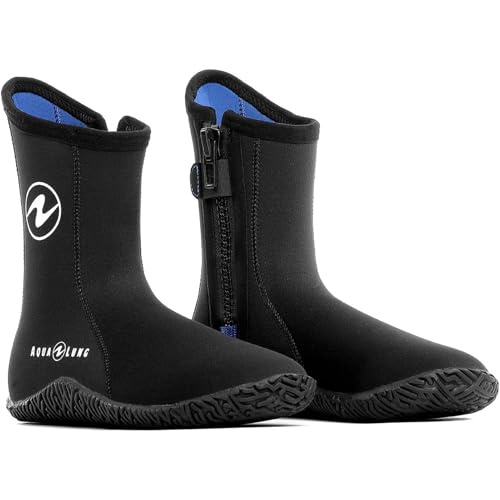
| Best Ergonomic Fit | Material: Neoprene upper | Sole Type: 8 mm treaded sole (rubber-like) | Insulation/Thickness Range: Available 3, 5, 7 mm | VIEW LATEST PRICE | Read Our Analysis |
| O’Neill Heat 3mm Split-Toe Neoprene Water Boot |

| Best for Performance | Material: FluidFlex neoprene | Sole Type: Vulcanized rubber sole | Insulation/Thickness Range: 3 mm | VIEW LATEST PRICE | Read Our Analysis |
| SCUBAPRO Delta Diving Boot 5mm |
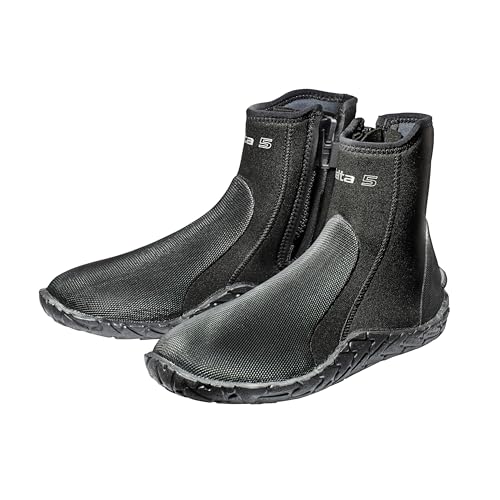
| Best for Rough Terrain | Material: Neoprene | Sole Type: Sturdy flexible outsole (rubberized) | Insulation/Thickness Range: 5 mm | VIEW LATEST PRICE | Read Our Analysis |
| SCUBAPRO Delta 3mm Short Diving Boot |

| Best for Tropical Trips | Material: Neoprene (with nylon) | Sole Type: Ultra-grip rubber sole | Insulation/Thickness Range: 3 mm | VIEW LATEST PRICE | Read Our Analysis |
| Korkers Unisex I-drain Neoprenesock |
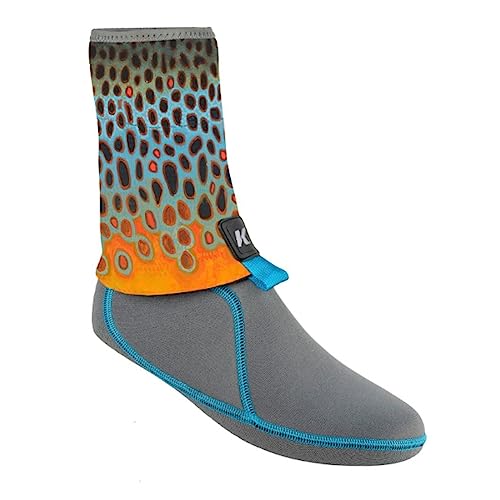
| Best Lightweight Guard | Material: Neoprene | Sole Type: (Guard sock - no hard sole; neoprene sock intended for layering) | Insulation/Thickness Range: 3.5 mm | VIEW LATEST PRICE | Read Our Analysis |
More Details on Our Top Picks
Tilos TruFit Dive Boots – Ergonomic Scuba Booties 3-7mm
Should you want a neoprene boot that keeps your feet warm and lets you move naturally on the water, I recommend the Tilos TruFit Snorkel Boots. I like how the Thermoflare lining traps heat yet dries fast, so cold mornings feel gentler. The 3 to 7 mm options fit different trips and water temps. Built-in arch support and a heel cup keep your foot aligned and reduce fatigue while you paddle and walk. The reduced instep volume makes fins easy to don and keeps water out. A rubber rocker sole gives balance and traction on shore, so you stay confident from launch to landing.
- Material:Neoprene (outer material & fabric)
- Sole Type:Rubber sole
- Insulation/Thickness Range:Available 3–7 mm
- Traction/Protection:Rubber sole for durable traction (land use)
- Fit/Closure Style:Built-in arch support, heel cup; slip-on style for fin donning
- Intended Use/Function:Scuba/diving bootie for water use, land traction (ergonomic dive boots)
- Additional Feature:Thermoflare quick-dry lining
- Additional Feature:Built-in arch support
- Additional Feature:Rocker sole for rolling
Aqualung 3mm Echozip Boots
Should you spend long days on cold water and want a boot that fits like a second skin, I recommend the Aqualung 3mm Echozip Boots for paddlers who need a snug, low-bulk option that still protects and grips. I love the ERGO-shaped footbed and outsole because they match my foot profile, cut water retention, and feel supportive all day. Few seams sit away from wide areas to stop chafing, which matters whenever you paddle hard. The 8 mm treaded sole deflects punctures and slips. A heavy duty YKK zipper and elastic binding enhance durability and ease of use.
- Material:Neoprene upper
- Sole Type:8 mm treaded sole (rubber-like)
- Insulation/Thickness Range:Available 3, 5, 7 mm
- Traction/Protection:8 mm treaded sole for puncture/sting/slip protection
- Fit/Closure Style:Anatomical ERGO shape, few seams (slip-on with zipper options on other models)
- Intended Use/Function:Dive boots for thermal protection and shore protection (general water use)
- Additional Feature:Patented ERGO-shaped footbed
- Additional Feature:Heavy-duty #10 YKK zipper
- Additional Feature:Elastic top binding
O’Neill Heat 3mm Split-Toe Neoprene Water Boot
Provided you want a warm, nimble water boot that keeps your toes cozy and your grip steady in cold paddling conditions, I recommend the O’Neill Heat 3mm split-toe boot. I trust its snug FluidFlex Firewall neoprene fit to lock in warmth and cut water entry while letting the foot expand for better contact. The split-toe shape and textured vulcanized rubber sole give confident grip and board feel on slick surfaces and rocky shorelines. Reinforced seams and quick-dry neoprene mean the boot lasts and dries between sessions. Torsion control and a heel pull tab add stability and easy on off. Should you be between sizes, size down.
- Material:FluidFlex neoprene
- Sole Type:Vulcanized rubber sole
- Insulation/Thickness Range:3 mm
- Traction/Protection:Textured vulcanized rubber sole to protect reefs/rocks
- Fit/Closure Style:Snug neoprene fit, split-toe, heel pull tab (slip-on)
- Intended Use/Function:Water boot for surfing/snorkeling/paddleboarding/boating (cold-water activities)
- Additional Feature:Split-toe shape
- Additional Feature:Torsion control technology
- Additional Feature:Heel pull tab
SCUBAPRO Delta Diving Boot 5mm
I’m the kind of paddler who values sure footing above all else, and the SCUBAPRO Delta 5mm diving boot is a great choice for kayakers who launch from rocky beaches or board from small boats. I trust its sturdy yet flexible outsole and rubberized armor on top and bottom whenever I step on sharp stones. The anti-slip tread keeps me steady and won’t mark my deck. The full-cut design fits wide feet without cramping, and the revised ankle and contoured top reduce rubbing. A YKK zipper makes entry easy. SCUBAPRO builds gear with practical innovation, and this boot feels made for real work.
- Material:Neoprene
- Sole Type:Sturdy flexible outsole (rubberized)
- Insulation/Thickness Range:5 mm
- Traction/Protection:Anti-slip tread, rubberized protective armor
- Fit/Closure Style:Full-cut design, YKK zipper closure
- Intended Use/Function:Diving boot for rocky shorelines and deck walking
- Additional Feature:Rubberized protective armor
- Additional Feature:Full-cut for wide feet
- Additional Feature:Revised contoured ankle
SCUBAPRO Delta 3mm Short Diving Boot
Provided you want a slim, no-fuss plunge boot that slips on fast and pairs well with adjustable kayak fins, the SCUBAPRO Delta 3mm Short Diving Boot is a smart pick for warm-water paddlers and snorkelers. I like its low-cut profile because it won’t bind inside fin straps, and it feels snug without a zipper. Made out of neoprene and nylon, it stays flexible and light at just under a pound per pair. The ultra-grip rubber sole protects feet on rocky launches while keeping movement natural. It’s unisex and simple to pack, backed with a one year warranty for peace of mind.
- Material:Neoprene (with nylon)
- Sole Type:Ultra-grip rubber sole
- Insulation/Thickness Range:3 mm
- Traction/Protection:Ultra-grip rubber sole for protection
- Fit/Closure Style:Slip-on, zipper-free snug low-cut
- Intended Use/Function:Tropical diving/snorkeling, wearable with adjustable fins (short dive boot)
- Additional Feature:Low-cut slip-on design
- Additional Feature:Ultra-grip lightweight sole
- Additional Feature:One-year manufacturer warranty
Korkers Unisex I-drain Neoprenesock
Should you want a snug, protective sock that keeps your feet warm and lets water drain quickly, I recommend the Korkers Unisex I-Drain Neoprene Guard Sock. I use it whenever I need thin but warm coverage for chilly launches. The 3.5 mm neoprene fits regular and feels flexible under paddling shoes. It’s unisex, so sizing is simple and predictable. I hand wash mine to keep the fabric soft and drainage working well. The sock is made in the USA or imported, so quality varies a bit, but performance stays consistent. In case you value warmth, fit, and quick drainage, try these.
- Material:Neoprene
- Sole Type:(Guard sock - no hard sole; neoprene sock intended for layering)
- Insulation/Thickness Range:3.5 mm
- Traction/Protection:Neoprene guard sock (protects skin; used under footwear)
- Fit/Closure Style:Regular fit neoprene sock (pull-on)
- Intended Use/Function:Neoprene guard sock for layering/protection in water activities
- Additional Feature:3.5 mm thickness
- Additional Feature:Made in USA/imported
- Additional Feature:Hand-wash care only
Factors to Consider When Choosing Neoprene Boots for Kayaking
Whenever you pick neoprene boots for kayaking, you’ll want to check fit and sizing initially so your feet stay comfortable and blister-free. Consider thermal insulation, sole traction and protection, closure and entry system, and the materials used so you get warmth, grip, and long-lasting performance. I’ll walk you through each factor with clear tips so you can choose boots that match your conditions and confidence on the water.
Fit And Sizing
Picking the right fit for neoprene kayaking boots matters more than you could assume, because a snug, low-volume boot keeps your feet warmer, helps your fins sit right, and gives you better control in the water. You want a form-fitting boot that minimizes internal water. That means reduced instep and close neoprene contact. Should you fall between sizes, size down to avoid toe drag and excess flushing, but don’t squeeze so hard circulation is cut. Consider thickness too. A 5 to 7 mm boot will feel tighter than a 3 to 3.5 mm model, so you might require a slightly larger size. Look for contoured footbeds, arch and heel support, and easy entry features like zippers or pull tabs that still keep volume low.
Thermal Insulation
Keeping your feet warm on cold water starts with the right thermal protection in your neoprene boots, and that protection comes from a mix of things you can actually control. Choose thicker neoprene whenever temps drop; 5 to 7 mm holds more body heat than 3 mm and keeps you comfortable longer. Look for insulated internal linings or firewall layers that trap a thin warm film of water and cut convective heat loss, so boots feel warmer and dry faster. Make sure the fit is snug at the instep and ankle to reduce cold flushes and limit water circulation inside. Check seam construction too; sealed or glued seams stop water entry better than simple stitched seams. Balance thickness, lining, fit, and seams to match expected water temperatures.
Sole Traction And Protection
Consider your soles like the solid link between you and the water, because a good sole keeps you steady on slick rocks, wet decks, and unstable shorelines while protecting your feet from sharp debris. You want durable rubber with a textured tread to grip wet surfaces. Thicker, puncture resistant soles around 6 to 8 mm help whenever you step on sharp objects or rough landings. At the same time, balance protection and board feel. Thinner, flexible soles give better pedal feedback, while stiffer soles protect underfoot. Look for contoured or rocker profiles to aid balance and reduce fatigue whenever walking uneven ground. Prioritize non marking, anti slip compounds and reinforced toe and heel areas to keep traction and prevent scuffs.
Closure And Entry System
Get the fit right from the start because how your boot closes and how you get it on will shape every paddle, walk, and shore landing that follows. Choose zippered closures provided you want fast entry and a snug seal, but check for corrosion resistant hardware and strong stitch reinforcement so the zipper holds in wet and salty use. In case you prefer simplicity, slip on designs cut snag risk and feel cleaner, yet you’ll need a tighter neoprene fit and might work harder to pull them on. Look for elastic or Velcro top bindings to stop slippage and reduce water flush. Heel pull tabs, extended ankle gussets, reduced instep volume and contoured cuffs make donning easier, especially with thicker 5 to 7 mm neoprene.
Durability And Materials
You’ve just picked a closure system that feels right, and now you’ll want boots that can handle being tossed, dragged, and stepped on without falling apart. Choose thicker neoprene 5–7 mm for stronger abrasion resistance and longer life, but know it can compress faster where you bend most. Look for rubber or vulcanized rubber outsoles to prevent punctures on rocks. Prioritize reinforced toe caps, heel cups, and sole overlays along with glued and blind-stitched or taped seams to stop tearing. Favor dense neoprene linings and thermally treated face fabrics that wick and resist delamination so insulation lasts. Check for non solvent water based glues and corrosion resistant zippers or closures. These material choices work together to keep your boots reliable season after season.
Mobility And Flexibility
Whenever you need boots that move with your feet, aim for low-profile soles and split-toe or rocker shapes that let your toes and ankles bend naturally; these designs give you better fin and pedal control so every stroke feels more powerful and precise. If choosing neoprene boots, pick 3–5 mm thickness for a good balance of warmth and mobility, and avoid 5–7 mm unless you need extra insulation. Look for thin vulcanized or low-profile rubber soles that keep board feel and ankle articulation. Built-in arch support and a contoured heel cup stabilize your foot without cutting motion, improving power transfer. Keep a snug fit with reduced instep volume to stop slosh and internal movement and to make footpeg adjustments and exits easy and confident.
