Book Appointment Now

How to Plan a Successful Kayak Fishing Trip
ByIMRAN
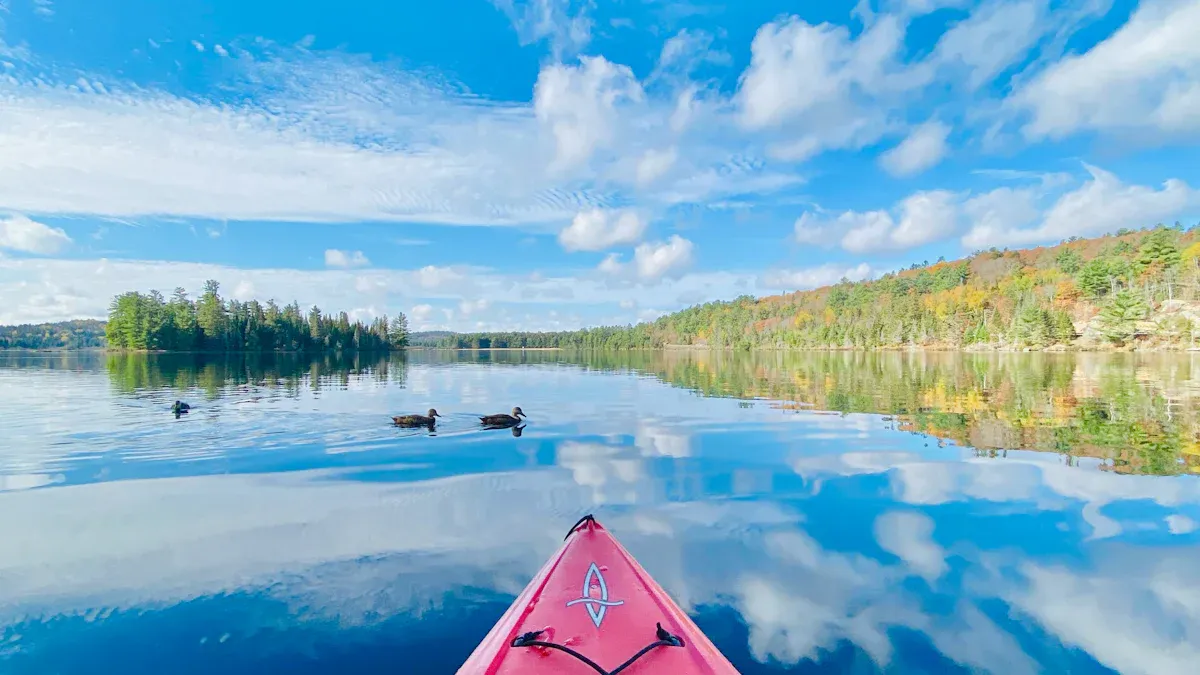
Kayak fishing is an exhilarating way to connect with nature and enjoy the thrill of catching fish. With over 50 million Americans participating in fishing, it’s no surprise that many are turning to kayaks for their adventures. Here are some benefits of kayak fishing:
Maneuverability: Kayaks can reach shallow waters and tight spots that larger boats can’t.
Environmental Connection: You experience nature up close, enhancing your fishing experience.
Health Benefits: Paddling provides a great workout for both your heart and muscles.
To plan a successful kayak fishing trip, focus on your gear, prioritize safety, and choose the right location to maximize your experience.
Key Takeaways
Choose the right kayak type for your fishing needs to enhance stability and comfort.
Pack essential gear, including a personal flotation device, to ensure safety on the water.
Check the weather forecast before your trip to avoid dangerous conditions.
Research local fishing regulations to stay compliant and maximize your fishing experience.
Communicate your plans with someone onshore for added safety during your adventure.
Choosing a Kayak for Fishing
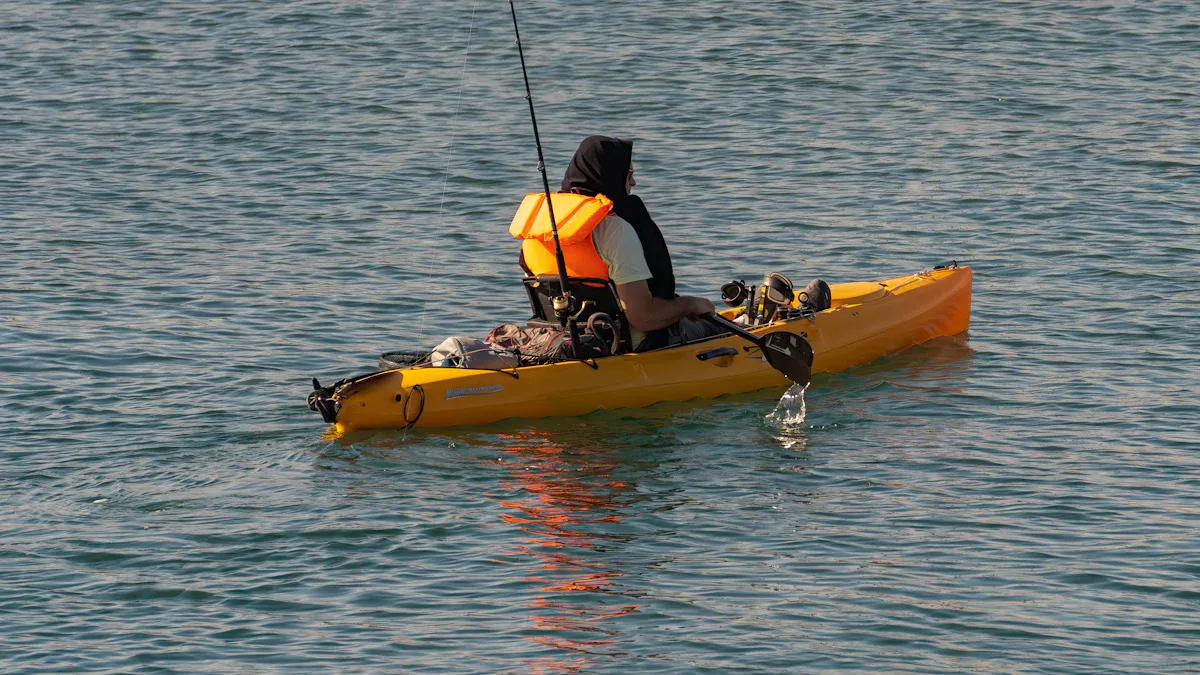
When it comes to kayak fishing, selecting the right kayak can make all the difference. Here’s a breakdown of the types of kayaks you might consider for your next adventure.
Types of Kayaks
Sit-on-top kayaks: These are perfect for open water. They provide a stable platform for fishing and are self-bailing, which means you won’t have to worry about water pooling inside.
Pedal-driven kayaks: If you want to keep your hands free for casting, pedal-driven kayaks are a great choice. They allow you to maintain your position effortlessly while you fish.
Sit-in kayaks: While less common for fishing, sit-in kayaks can work well in calmer waters. They offer protection from the elements but may limit your movement.
Kayaks for rivers: Designed to navigate rapids, these kayaks enhance your fishing experience in flowing waters.
Kayaks for lakes and ponds: You’ll find various options tailored to specific fishing needs in these calm environments.
Key Features
When choosing the best fishing kayak, comfort and effectiveness are key. Here are some features to look for:
Feature | Importance |
|---|---|
Padded Seats | Essential for comfort during long hours on the water. |
Adjustable Seats | Allows customization for individual comfort preferences. |
Good Back Support | Reduces fatigue and discomfort during extended fishing trips. |
Adequate Legroom | Necessary for comfort, especially for taller individuals. |
Adjustable Footrests | Helps accommodate different heights and sitting positions. |
Easy Cockpit Entry | Facilitates comfortable entry and exit, enhancing overall experience. |
Flat Deck Areas | Important for those who wish to stand while fishing, providing stability. |
For long fishing trips, comfort is paramount. Look for kayaks with comfortable, adjustable seating and good back support. Adequate legroom is also crucial, especially for taller individuals, as it allows for movement and comfort during extended periods on the water.
Remember, the right kayak can enhance your kayak fishing experience, making it more enjoyable and productive.
Essential Gear for a Successful Trip
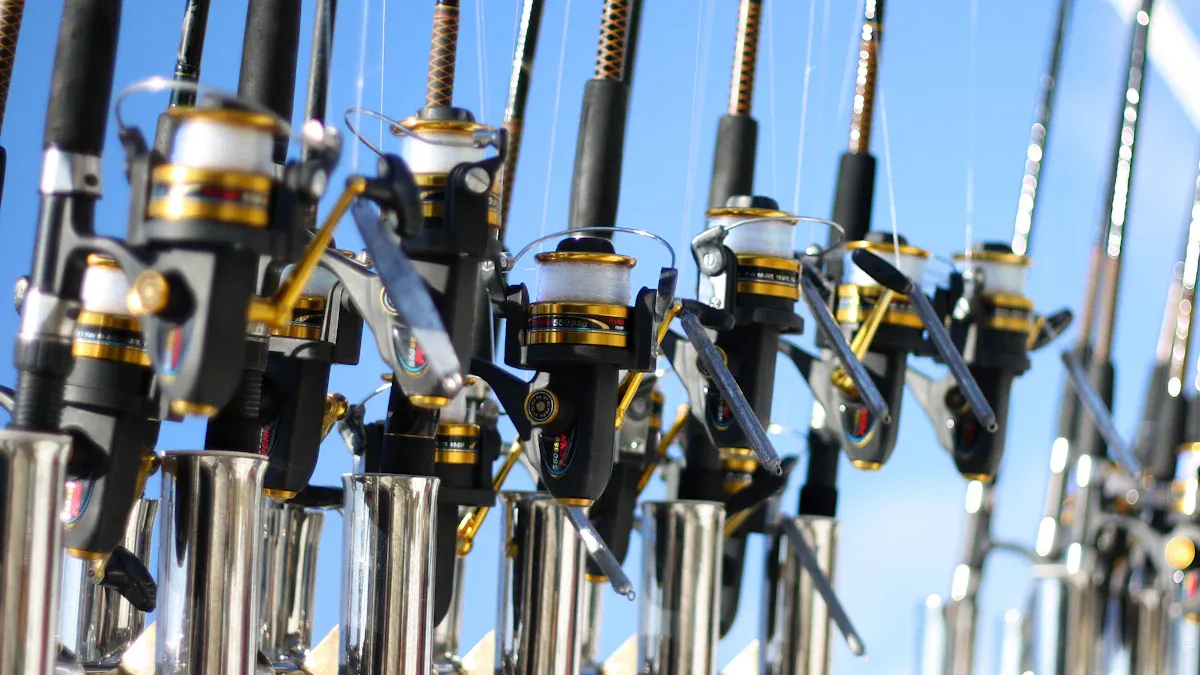
When you head out for a kayak fishing trip, having the right gear can make all the difference. Let’s break down the essential equipment you’ll need to ensure a successful day on the water.
Fishing Equipment
Here’s a checklist of the must-have fishing equipment for your kayak fishing adventure:
Kayak: Choose a fishing-specific kayak for stability and storage. This will help you navigate easily and keep your gear organized.
Paddle: Invest in a lightweight, durable paddle. A good paddle reduces fatigue and makes your paddling experience more enjoyable.
Tackle Crate: Use a crate to organize your tackle and accessories. This keeps everything within reach and prevents clutter.
Fishing Tackle: Pack rods, reels, and essential lures. A versatile setup, like the FishStix ‘The Kitchen Sink’ rod paired with a Shimano Citica 200 reel, works well in both freshwater and saltwater.
Anchor: Consider bringing an anchor to maintain your position in water currents. This is especially useful when you want to fish in a specific spot.
Camera: Don’t forget a camera to capture your fishing adventures and the beautiful wildlife you encounter.
Safety Gear
Safety should always be your top priority when kayak fishing. Here’s a list of essential safety gear you should have:
Personal Flotation Device (PFD): Unlike standard life jackets, PFDs designed for kayak fishing are low-profile and comfortable. They often come with features like tool hangers and drop-down pockets for convenience.
Whistle: A whistle is a simple yet effective way to signal for help if needed.
First Aid Kit: Always have a first aid kit on hand for minor injuries or emergencies.
Knife: A knife can be handy for various tasks, from cutting lines to preparing food.
Headlamp: If you plan to fish early in the morning or late in the evening, a headlamp will help you see in low light.
GPS: For larger bodies of water, a GPS can help you navigate safely.
VHF Radio: This is crucial for communication in case of emergencies on big open waters.
By packing the right fishing equipment and safety gear, you set yourself up for a successful and enjoyable kayak fishing trip. Remember, preparation is key to making the most of your time on the water!
Safety and Preparation
Personal Safety
When you head out for kayak fishing, personal safety should always be your top priority. Here are some essential measures to keep in mind:
Visibility: Use a brightly-colored kayak and gear. This helps other boaters see you easily. Adding a high-visibility flag or light can also enhance your visibility.
Emergency Kit: Always bring a well-stocked first aid kit. Include items like a whistle, emergency blanket, and fire starter kit, especially when fishing in remote areas.
Dress for Immersion: Wear appropriate clothing to protect against hypothermia. A wetsuit or drysuit is a smart choice in colder waters.
Know Your Limitations: Be honest about your kayaking skills. Avoid challenging waters until you feel confident.
Weather Awareness: Check the weather forecast before launching. This helps you avoid dangerous situations.
Communication Plan: Leave a float plan with someone on shore. Carry a waterproof phone or marine radio for emergencies.
Wildlife Awareness: Learn about local wildlife. Know how to safely interact with or avoid dangerous animals.
Secure Gear: Make sure all your gear is secured to your kayak. This prevents loss in case of capsizing.
Weather Preparedness
Weather can change quickly, so being prepared is crucial for a safe trip. Here are some tips to help you stay safe:
Always check the weather forecast before your trip. This gives you a heads-up on any potential storms or high winds.
Equip yourself with weather-resistant gear, like a lightweight rain jacket or thermal layer. This keeps you comfortable if conditions change.
Have an emergency plan that includes marked exit points and a signaling method for help.
Monitor wind speed and direction to choose your fishing locations wisely. If conditions worsen, be ready to head back.
Use apps like FishWeather or Windy.app to track weather conditions. These tools provide valuable information on wind direction and water conditions.
By prioritizing personal safety and being prepared for weather changes, you can enjoy your kayak fishing trip with peace of mind.
Choosing the Right Fishing Location
When planning your kayak fishing trip, selecting the right location is crucial. Different environments offer unique challenges and opportunities. Let’s dive into the differences between freshwater and saltwater fishing.
Freshwater vs. Saltwater
Both freshwater and saltwater fishing have their perks. Here’s a quick comparison to help you decide where to cast your line:
Aspect | Freshwater Fishing | Saltwater Fishing |
|---|---|---|
Target Species | Smaller species like trout and panfish | Larger game fish like tarpon and redfish |
Gear Requirements | Lighter rods and reels, less maintenance | Heavier, rust-resistant gear needed |
Fishing Techniques | Stealthy approach in calm waters | Requires stronger gear for aggressive fish |
Freshwater fishing often involves targeting species like trout and panfish in lakes, rivers, and ponds. You can enjoy a peaceful day on the water, surrounded by nature. On the other hand, saltwater fishing opens up a world of larger species, such as tarpon and redfish. However, it demands more robust gear due to the size and strength of the fish.
Understanding tidal ranges is essential for saltwater fishing. Tides significantly influence fish behavior and location. In areas with large tidal ranges, the movement of water stirs up bait, attracting predators. Conversely, in regions with small tidal ranges, fish may be less active. This knowledge helps you strategize your fishing efforts based on the specific tidal patterns of your chosen location.
Researching Regulations
Before you head out, make sure you’re aware of local fishing regulations. Each state or province has its own rules regarding fishing licenses, protected areas, and species limits. Here are some tips for researching local regulations:
Check if you need a fishing license. For example, in Ontario, all residents aged 18 to 65 must have one to fish in local waters.
Visit official websites, like the Ministry of Natural Resources and Forestry, for up-to-date information on fishing licenses.
Familiarize yourself with the provincial fishing regulations by referring to the Ontario Fishing Regulations Summary.
Researching local lakes and rivers can also help you identify hotspots for targeting active fish species. Look for areas with good water clarity, as this enhances visibility to spot fish. Additionally, consider the fish populations in specific habitats, as diverse species increase your chances of a successful trip.
By understanding the differences between freshwater and saltwater fishing and staying informed about local regulations, you can maximize your kayak fishing day. Choose the right location, and you’ll set yourself up for an unforgettable adventure on the water!
Planning a successful kayak fishing trip requires careful preparation and attention to safety. Remember to choose the right kayak, pack essential gear, and stay informed about local regulations. Here are some key takeaways:
Always wear a life jacket to ensure safety.
Check the weather forecast to avoid dangerous conditions.
Communicate your plans with someone onshore.
By following these tips, you can enjoy a safe and rewarding kayak fishing adventure. So, grab your gear, hit the water, and experience the thrill of kayak fishing for yourself! 🌊🎣
FAQ
What should I wear for kayak fishing?
Dress in layers to adapt to changing weather. Choose quick-drying materials and wear a personal flotation device (PFD) at all times. Don’t forget a hat and sunglasses for sun protection!
How do I transport my kayak?
You can use a roof rack or a trailer designed for kayaks. Ensure it’s securely fastened to prevent any movement during transport. Always check local laws regarding kayak transport.
Can I fish from any kayak?
Not all kayaks are suitable for fishing. Look for kayaks designed specifically for fishing, as they offer stability, storage, and comfort features that enhance your experience.
What are the best times to go kayak fishing?
Early mornings and late afternoons are often the best times to fish. Fish are more active during these cooler parts of the day, increasing your chances of a successful catch.
Do I need a fishing license for kayak fishing?
Yes, you typically need a fishing license, even when fishing from a kayak. Check local regulations to ensure you have the proper permits before heading out.