Book Appointment Now

Kayak Fishing vs. Boat Fishing: Which is Better?
ByIMRAN
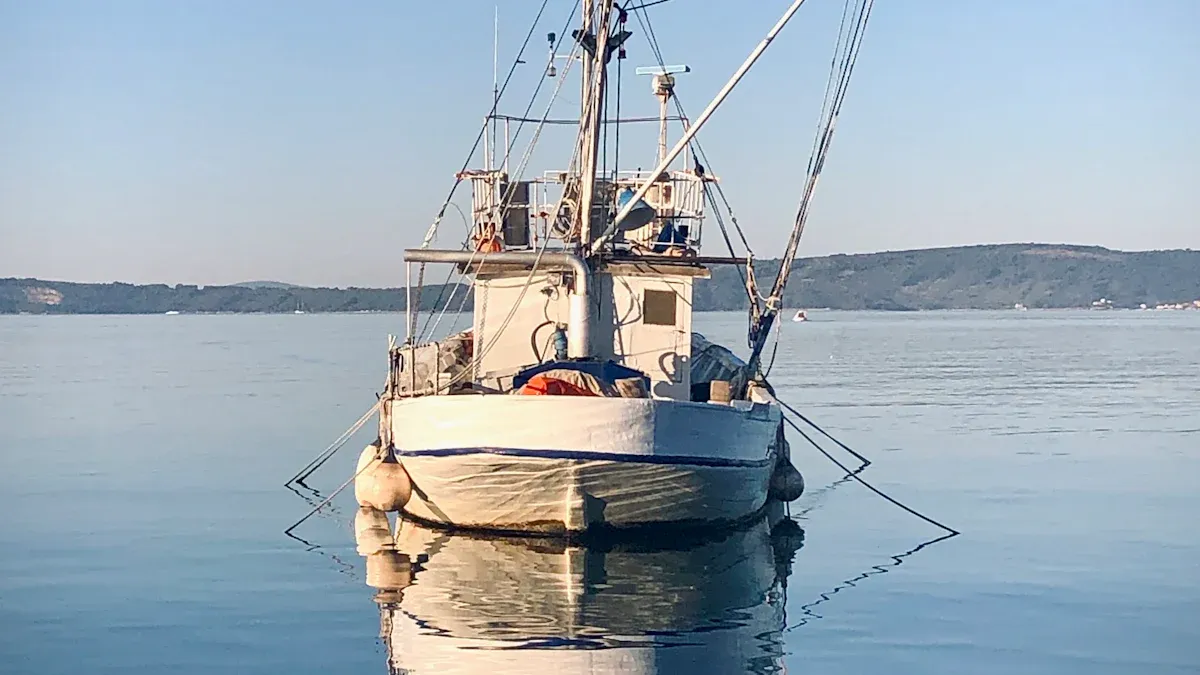
Fishing is becoming a favorite pastime for many, with more people embracing both kayak fishing and boat fishing. You might wonder which method reigns supreme. It really depends on what you’re looking for in your fishing experience. Consider factors like stability, coverage, cost, and convenience. As you read on, think about your own fishing style and what matters most to you.
Key Takeaways
Kayak fishing offers great stability in calm waters, making it ideal for exploring shallow areas and hard-to-reach spots.
Boats provide better stability in rough conditions and allow for fishing in larger bodies of water, making them suitable for group outings.
Kayaks are generally more affordable than boats, making them a budget-friendly option for anglers looking to start fishing.
Consider convenience: kayaks are easy to transport and launch, while boats offer more space for gear and passengers.
Your choice between kayak and boat fishing should reflect your personal preferences and fishing goals, whether you value maneuverability or stability.
Stability
Kayak Stability
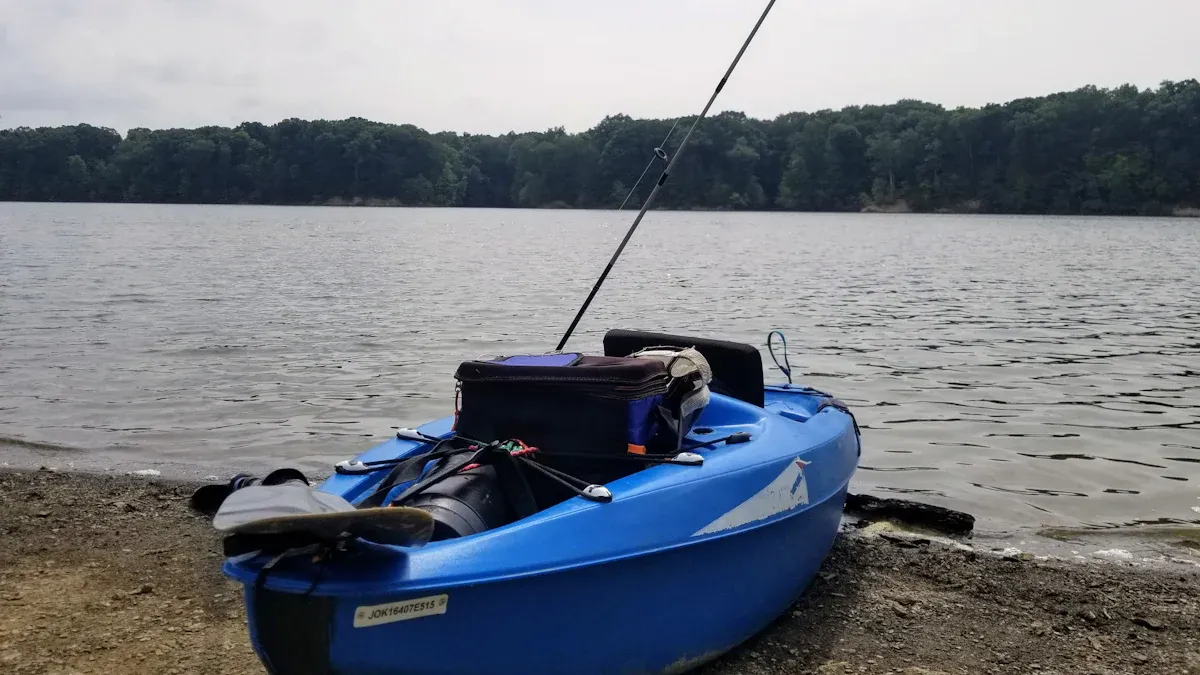
When it comes to stability, kayaks shine in calm waters. They often feel stable due to their design, which allows for a higher resistance to tipping. However, this stability can wane in rough conditions. For instance, sit-on-top (SOT) kayaks can be tricky. You might find yourself struggling to maintain balance, especially when waves hit or the wind picks up. Here are some key points about kayak stability:
Initial Stability: Kayaks generally offer a good initial stability, making them feel secure at small tilts.
Secondary Stability: This refers to how well a kayak resists capsizing at larger angles. Some designs, like the Dagger Stratos, excel in this area, providing excellent control even when tilted.
Environmental Factors: Wind and waves can complicate your experience. A wider kayak can help, but you still need to be mindful of your movements.
In fact, many anglers report that maintaining balance is a significant challenge. The fear of capsizing often influences their choice of kayak type. Fishing kayaks are typically wider and heavier, which enhances stability. You’ll want to avoid sudden movements while standing to prevent tipping over.
Stability Aspect | Kayaks |
|---|---|
Initial Stability | Higher resistance to tipping |
Righting Moment | Greater in higher stability curves |
Effect of Tipping Forces | Diminishing righting moment beyond peak |
Overall Stability | Influenced by waterline width |
Secondary Stability | More with flared shapes |
Boat Stability
Boats, on the other hand, offer a different kind of stability. Their performance varies based on design and size. Generally, larger boats provide better stability in rough waters. Here’s what you should know:
Weight and Size: A boat’s weight and size significantly affect its stability. Heavier boats with a low center of gravity tend to be more stable. This means you can fish confidently without worrying about tipping.
Types of Boats: Different boats excel in various conditions. For example, pontoon boats are known for their stability and safety, making them ideal for family fishing trips. Aluminum fishing boats balance toughness and smooth navigation through waves, while Jon boats are rugged and affordable for small inland lakes.
Hull Shape: The shape of the hull plays a crucial role in stability. A well-designed hull can navigate through waves effectively, reducing the risk of capsizing.
Coverage
Kayak Fishing Access
Kayak fishing opens up a world of possibilities for anglers. One of the biggest advantages is access to hard-to-reach spots. You can glide into protected coves and shallow areas that larger boats simply can’t navigate. This access can be crucial for finding fish that are less disturbed by human activity. In fact, many anglers appreciate how kayaks can float in just 6 inches of water, allowing you to explore areas off-limits to motorboats.
“In all my years of guiding from my Ranger, I was never able to spot a big muskie, target it with a lure, and make it bite. They can see you or are affected by the vibration of the trolling motor… But I’ve often spotted muskies in clear Tennessee rivers, paddled close enough to make a good cast, and watched the fish eat the lure.”
This quote highlights how kayak fishing can enhance your chances of landing that elusive catch. With the ability to hold up to 350 pounds of cargo, kayaks are practical for longer fishing trips too. You can carry your gear without worrying about space.
Boat Fishing Range
On the other hand, boat fishing offers a different kind of coverage. Boats excel in larger bodies of water, allowing you to travel further and explore more diverse fishing environments. You can venture out into the open sea or navigate expansive lakes with ease. This range is particularly beneficial when targeting species that prefer deeper waters or specific habitats.
Larger boats can handle rougher conditions, giving you the confidence to fish in various weather scenarios. Whether you’re chasing big game fish offshore or cruising along a river, boats provide the stability and power needed for longer excursions.
Cost
Kayak Costs
When you think about getting into kayak fishing, the initial investment can be quite appealing. Fishing kayaks generally cost less than boats, making them a great option for budget-conscious anglers. For instance, you can find affordable models like the Pelican Catch Classic 100 for around $599.99. Here’s a quick look at some popular fishing kayaks and their prices:
Kayak Model | MSRP | Length | Weight | Capacity | Notable Features |
|---|---|---|---|---|---|
Pelican Catch Classic 100 | $599.99 | 10 ft | 57 lbs | 350 lbs | Ergocast dual-position seat, gear rails, two flush-mount rod holders |
Ascend 12T Sit-On | $750.00 | 12 ft | 77 lbs | 350 lbs | Removable 3-position adjustable seat, built-in rod holders, gear tracks |
Feelfree Moken 10 V2 | $799.00 | 10 ft | 69 lbs | 440 lbs | Comfortable adjustable seat, rail tracks, built-in rod holders, wheel in keel |
Old Town Sportsman 106 | $899.00 | 10.5 ft | 77 lbs | 363 lbs | Removable adjustable seat, gear tracks, three rod holders, cup holders |
Magellan Outdoors Pro Angler | $699.99 | 10.25 ft | 63 lbs | 325 lbs | Strong molded handles, front/rear storage, dry storage compartment, lightweight |
While the initial cost is lower, don’t forget about accessories. Investing in quality gear can enhance your fishing experience. Accessories like paddles, life jackets, and storage solutions can add up. However, many anglers find that these investments significantly improve comfort and safety on the water.
Boat Costs
On the flip side, boat fishing often comes with a heftier price tag. The initial costs can vary widely based on the type of boat you choose. For example, a basic Jon boat can start around $1,089, while larger fishing boats can reach upwards of $50,000. Here’s a breakdown of typical costs for different types of fishing boats:
Cost Type | Estimated Cost Range |
|---|---|
Jon Boats | $1,000 to $5,000 |
Midsize Bowriders | $15,000 to $50,000 |
Small-to-Midsize Pontoon Boats | $19,000 to $90,000 |
Speedboats | $30,000 to $75,000 |
Midsize Fishing Boats | $50,000 to $100,000 |
Owning a boat also comes with ongoing expenses. You’ll need to consider maintenance, insurance, and fuel costs. For example, annual maintenance can run about 10% of the purchase price. Fuel expenses can vary significantly based on the boat type. Powerboats might consume 6-15 gallons per hour, costing you anywhere from $20 to $50. Sportfishing boats can use even more fuel, costing $80 to $200 per hour.
Tip: Don’t forget about storage costs! Storing a boat can range from $10 to $30 per foot per month, depending on where you live.
Convenience
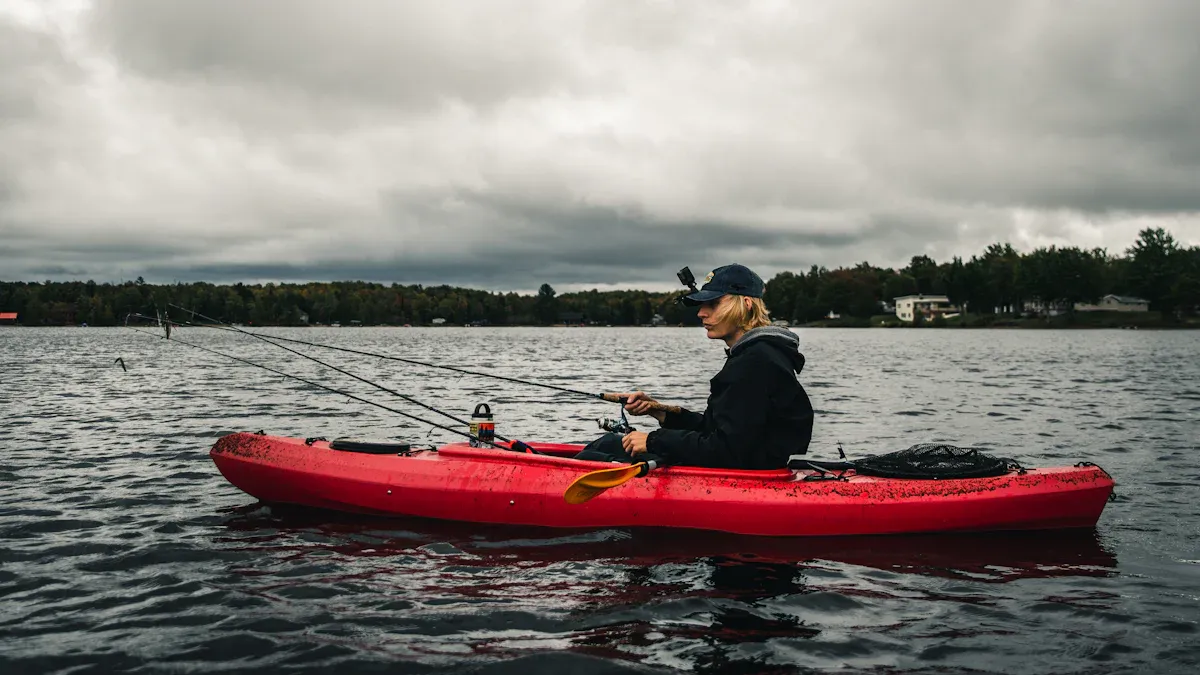
Kayak Convenience
When it comes to convenience, kayaks have a lot to offer. Their lightweight design makes them easy to transport. You can carry a kayak to remote fishing spots without needing a trailer. This portability allows you to launch from various locations, whether it’s a riverbank or a secluded beach. Many anglers appreciate how simple it is to set up and get on the water. For instance, you might have seen someone effortlessly carrying their kayak down a path, ready for a day of fishing.
Inflatable kayaks add another layer of convenience. They require minimal storage space and can be packed away easily. Just remember, they do need some time for inflation and deflation. While kayaks provide great fishing opportunities, they can present challenges in rough ocean conditions. You need to ensure your kayak is stable and high-performing, which can be a limitation compared to small boats that may offer better stability.
Boat Convenience
On the other hand, boats come with their own set of conveniences. They often provide more space for gear and passengers, making them ideal for group outings. You can prepare food, drinks, and fishing supplies without worrying about limited storage. Here’s a quick look at some convenience factors for boat anglers:
Convenience Factor | Description |
|---|---|
Research | Essential for determining fishing experience, safety, and enjoyment. |
Location Selection | Should be enjoyable and suitable for the target fish, considering weather and tide forecasts. |
Personal Preferences | Comfort considerations, such as avoiding motion sickness or insects, are crucial for enjoyment. |
Supplies Preparation | Important to prepare food, water, and necessary tools like compasses and flashlights. |
However, traditional boats can complicate logistics. They often require trailers, slips, or dry-stack storage, leading to recurring costs. Transporting a boat involves towing infrastructure and licensing, which can increase the time needed to access fishing spots. In contrast, inflatable boats often bypass these logistical hurdles due to their compact nature.
Ultimately, whether you choose kayak fishing or boat fishing depends on your personal preferences and fishing goals.
In summary, both kayak fishing and boat fishing have unique benefits. Kayaks are often more affordable and offer great maneuverability, especially in tight spaces. Recent studies show that fishing kayaks allow you to fish while moving, enhancing your experience. On the other hand, boats provide stability and access to larger bodies of water.
If you prefer budget-friendly options and exploring shallow waters, go for a kayak. If you enjoy group outings and fishing in deeper waters, a boat might be your best bet. Ultimately, think about what you value most in your fishing adventures. Your preferences will guide you to the right choice! 🎣
FAQ
What are the main differences between kayak fishing and boat fishing?
Kayak fishing offers access to shallow waters and tight spots, while boat fishing allows you to cover larger areas and deeper waters. Your choice depends on your fishing style and the environments you prefer.
Is kayak fishing safe for beginners?
Yes, kayak fishing can be safe for beginners. Choose a stable kayak and wear a life jacket. Start in calm waters to build your confidence before venturing into rougher conditions.
How much gear do I need for kayak fishing?
You’ll need basic gear like a paddle, life jacket, fishing rod, and tackle. Consider adding a cooler for your catch and storage for personal items. Keep it simple to enjoy your time on the water!
Can I fish with friends in a kayak?
While most kayaks are designed for one person, some models can accommodate two. If you want to fish with friends, consider a tandem kayak or plan to use separate kayaks.
What maintenance do boats require?
Boats need regular maintenance, including engine checks, cleaning, and inspections. You should also winterize your boat if you live in colder climates. Keeping up with maintenance ensures safety and longevity.