Book Appointment Now

How to Store Your Kayak and Fishing Gear Properly
ByIMRAN
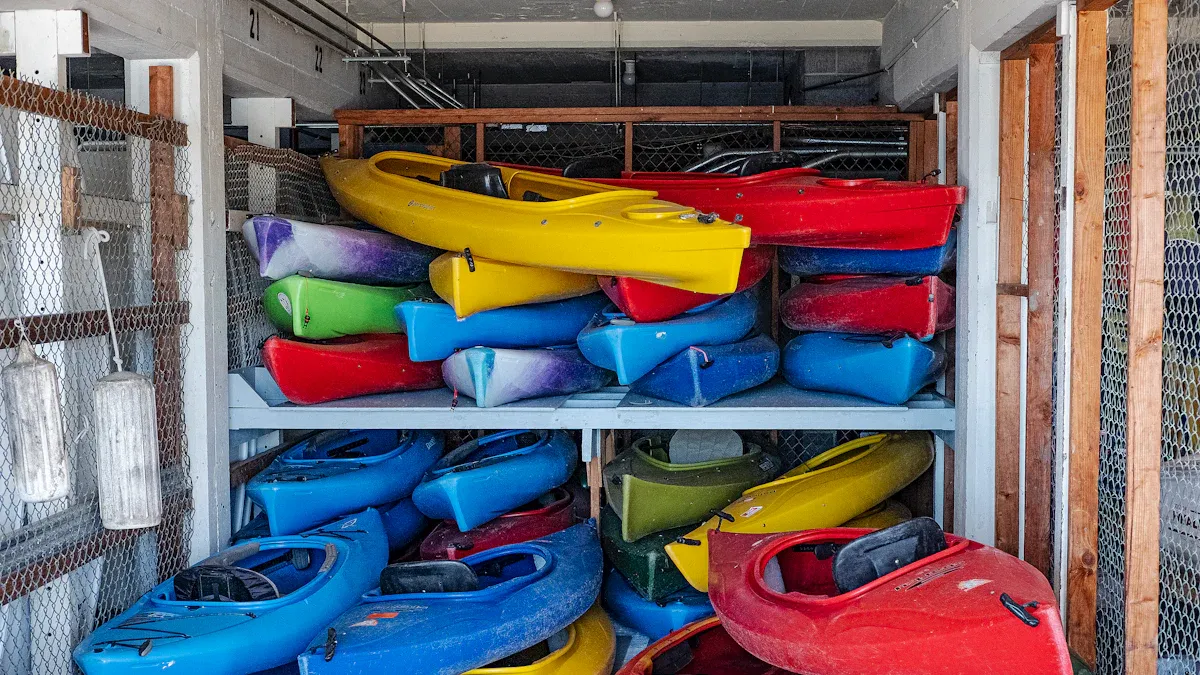
Storing your kayak and fishing gear properly is crucial for keeping them in great shape. When you take the time to organize your equipment, you prevent damage and extend its life. Plus, knowing how to store your kayak neatly makes it easy to grab what you need when you’re ready to hit the water. Here are some benefits of organized storage:
Benefit | Description |
|---|---|
Protection from the Elements | Shields your kayak from sun, rain, and wind, which can cause damage over time. |
Additional Storage Space | Perfect for storing paddles, life jackets, ropes, and other kayaking accessories. |
Easy Access | Keeps your gear organized and within reach when you’re ready to hit the water. |
Safe and Secure Storage | Floating docks can be equipped with racks and storage systems that keep your kayak safe. Some even have locking systems to prevent theft. |
With these tips on how to store your kayak, you’re on your way to better kayak fishing experiences!
Key Takeaways
Clean your kayak and fishing gear before storage to prevent damage from dirt and salt buildup.
Inspect your equipment regularly for wear and tear to catch issues early and maintain performance.
Choose the right storage location, preferably indoors, to protect your gear from elements like UV light and moisture.
Organize your tackle boxes and fishing gear to save time and frustration during your fishing trips.
Use proper storage methods, like hanging or securing your kayak, to ensure it stays in great condition for your next adventure.
Preparing for Storage
Cleaning Your Equipment
Before you tuck your kayak and fishing gear away, give them a good cleaning. This step is crucial to prevent any buildup of dirt, salt, or grime that can cause damage over time. Here’s how to clean your kayak effectively:
Rinse the exterior with fresh water right after use to remove saltwater.
Use a garden hose with a strong setting to blast away dried mud or debris.
Prepare a bucket of warm, soapy water and grab a clean sponge or microfiber cloth.
Wash the kayak thoroughly and rinse it off completely.
Allow it to air dry fully before storing.
For your fishing gear, opt for a gentle cleaner like Jungle Jake® Cleaner Degreaser. It’s safe for materials like graphite and fiberglass, effectively removing oil and grease without harsh chemicals.
Inspecting for Damage
Next, take a moment to inspect your equipment for any signs of wear and tear. Regular inspections can save you from surprises when you’re ready to hit the water again. Look for:
Hull damage from long-term storage.
Deterioration of rigging components due to UV exposure.
Wear on accessories like rod holders and paddles.
Checking your gear before storage helps catch issues early, ensuring everything stays in top shape.
Choosing Storage Location
Finally, think about where to store your kayak. The right location can make a big difference in protecting your gear. Here are some factors to consider:
Factor | Explanation |
|---|---|
Indoor storage | Provides the best protection from elements, animals, and UV light. |
Sunlight exposure | UV light can degrade materials, causing fading and brittleness. |
Protection from sun | Store indoors, in shade, or cover with a tarp; applying UV-protective spray can also help. |
Moisture | Long-term exposure can lead to mold and mildew; ensure all components are dry. |
Heat | High temperatures can deform the hull; avoid extreme heat sources during storage. |
Cold | Repeated freezing and thawing can degrade materials; ensure no water is trapped to prevent damage. |
By following these steps, you’ll ensure your kayak and fishing gear are clean, inspected, and stored properly, ready for your next adventure!
How to Store Your Kayak
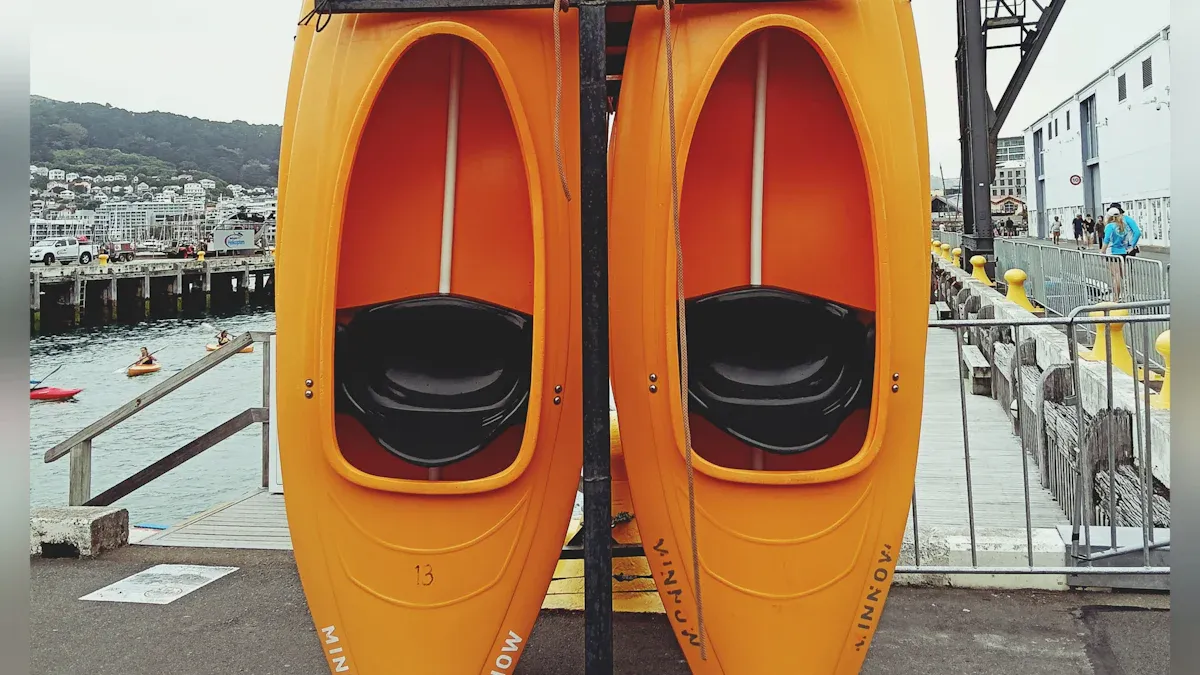
Storing your kayak properly can make a big difference in its longevity and performance. Whether you have a small space or a large garage, there are effective ways to store your kayak that suit your needs.
Indoor Storage Options
If you have the luxury of indoor space, take advantage of it! Indoor storage protects your kayak from the elements and keeps it safe from pests. Here are some great indoor storage solutions, especially if you’re working with limited space:
Storage Solution | Description |
|---|---|
Hi-Port 2 | Holds two kayaks on the ceiling, maximizing overhead space without wall installation. |
Teal Triangle Elite Kayak Pulley | Hoists kayaks to the ceiling, freeing up floor space and keeping walkways clear. |
Swivel Kayak Rack | Weather-resistant wall rack that folds down for extra space when not in use. |
Teal Triangle Freestanding G-Watersport Rack | Allows storage of two kayaks without wall or ceiling installation, providing compact and movable storage. |
These options not only save space but also keep your kayak safe from damage.
Outdoor Storage Tips
If you need to store your kayak outdoors, you must take extra precautions. Outdoor storage can expose your kayak to harsh weather, which can lead to damage over time. Here are some tips to help you store your kayak safely outside:
Elevate Your Kayak: Always store your kayak off the ground. This prevents moisture from accumulating and reduces the risk of warping.
Use a Cover: Invest in a high-quality kayak cover. Look for materials like vinyl, canvas, or polyester. Each has its pros and cons:
Material | Advantages | Disadvantages |
|---|---|---|
Vinyl | – Waterproof, excellent for wet climates. | – Heavy, can be challenging to handle. |
– High UV protection, blocks harmful rays. | – More expensive than polyester. | |
Canvas | – Extremely durable, withstands various weather conditions. | – Heavy, less convenient for frequent use. |
– Breathable, helps prevent mold and mildew. | – Quality can be pricey. | |
Polyester | – Lightweight, easy to handle. | – Lower UV protection compared to others. |
– Generally more affordable. | – Less durable in extreme weather. |
Secure Your Kayak: Use straps or locks to secure your kayak. This helps prevent theft and keeps it safe from strong winds.
Hanging Your Kayak
Hanging your kayak is one of the best ways to store it, especially if you’re short on floor space. Here’s how to do it effectively:
Choose the Right Location: Find a sturdy ceiling or wall that can support the weight of your kayak.
Use Quality Hardware: Invest in strong hooks or pulleys designed for kayak storage. Make sure they can handle the weight of your kayak.
Positioning: Hang your kayak upside down or on its side. This helps maintain its shape and prevents warping.
By following these tips on how to store your kayak, you can ensure it stays in great condition for your next adventure!
Fishing Gear Storage
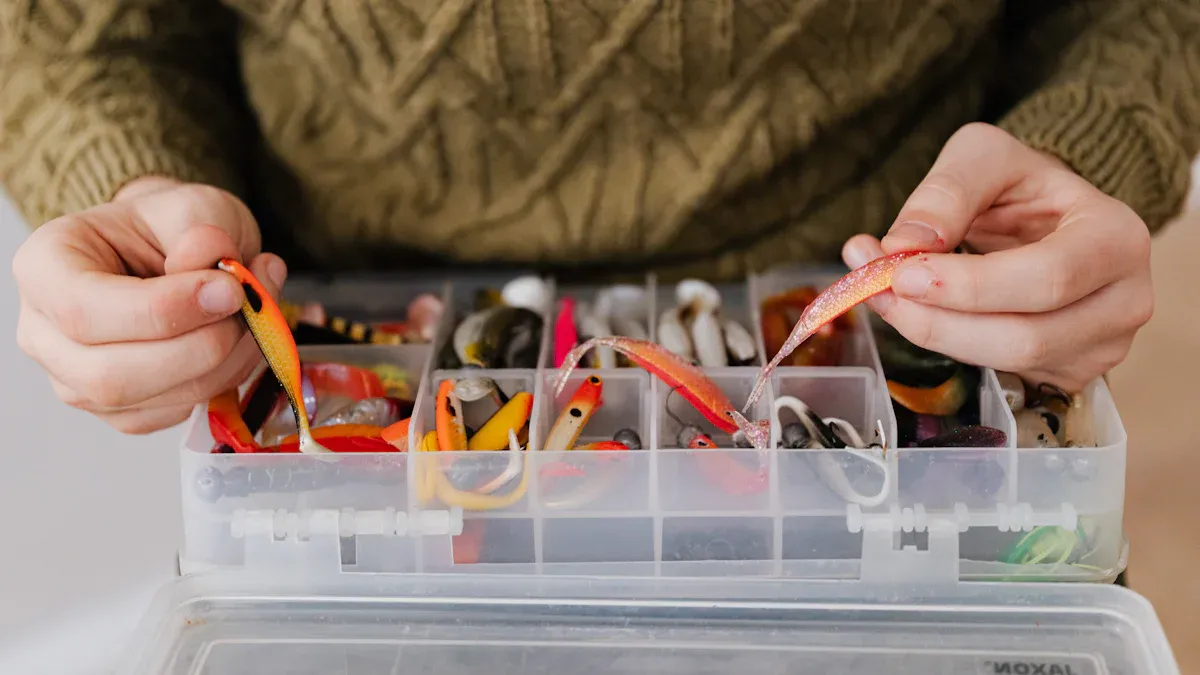
Storing your fishing gear properly is just as important as storing your kayak. When you organize your tackle boxes, rods, and reels effectively, you make your fishing trips smoother and more enjoyable. Let’s dive into how you can keep everything in top shape!
Organizing Tackle Boxes
A well-organized tackle box can save you time and frustration on the water. Here are some tips to help you maximize space and accessibility:
Use Dividers: Create custom-sized compartments based on the size and quantity of your gear. This helps keep everything in its place.
Purge Unused Items: Regularly remove lures and gear you don’t use. This makes it easier to find what you need.
Contain Tangling Items: Store items prone to tangling, like lines and hooks, in compartmentalized small containers.
Label Everything: Use waterproof labels for quick identification. This way, you can grab what you need without digging through everything.
Maximize Space: Arrange items to utilize all available space in your tackle box, including sides and corners. Store essential tools in easily accessible locations.
By following these steps, you’ll have a tackle box that’s not only organized but also easy to navigate when you’re ready to fish.
Storing Rods and Reels
Proper storage of your fishing rods and reels is crucial to prevent warping and damage. Here are some effective methods:
Store Vertically: Use wall-mounted racks or rod holders to keep your rods upright. This prevents bending and keeps them safe.
Avoid Direct Sunlight: Keep your rods away from sunlight to prevent material degradation. UV rays can weaken the components over time.
Climate Control: Choose a storage area with controlled temperature and humidity levels between 30-50%. This helps maintain the integrity of your gear.
Proper Spacing: Ensure there’s enough space between rods to avoid contact and potential damage.
Support at Both Ends: Always support your rods at both ends to prevent sagging. This is key to maintaining their shape.
When it comes to your reels, take these steps to keep them in great condition:
Clean Your Reels: Rinse them with fresh water to remove salt and dirt. Avoid using high-pressure sprays that can force water into sensitive areas.
Dry Thoroughly: Wipe them down with a soft, linen-free cloth right after rinsing. This prevents airborne particles from entering.
Apply Protective Sprays: Use corrosion-inhibiting sprays like CorrosionX to create a barrier against rust.
Annual Service: Make sure to lubricate internal components annually, focusing on bearings and gears.
Store Separately: Keep reels separate from rods in a cool, dry place. Wrap them in a towel or protective cover for added safety.
Kayak Fishing Setup
When you’re ready to hit the water, having a proper kayak fishing setup can make all the difference. Here are some effective storage methods for your kayak fishing gear:
Method | Description |
|---|---|
Tackle Organization | Use dedicated tackle storage to keep lures, hooks, and tools organized. Waterproof tackle boxes designed for kayak fishing feature secure latches and drainage systems. Consider modular tackle systems that allow you to bring only the lures you need for specific fishing conditions. |
Milk Crate Systems | A milk crate is a versatile storage solution for kayak fishing. Modify it with PVC pipe for additional rod holders, and secure it to your kayak’s deck. Its open design allows for quick access to frequently used items. |
Dry Storage Systems | Waterproof dry bags protect essential items like electronics and spare clothing from moisture. Choose bags with different capacities for various gear types, and always pack critical items in multiple dry bags for redundancy. |
By organizing your kayak fishing setup effectively, you ensure that everything is within reach when you need it. This way, you can focus on enjoying your time on the water rather than searching for gear.
Maintenance Tips
Regular Inspections
Regular inspections are key to keeping your kayak and fishing gear in top shape. You should check your kayak at least once a month, especially if you use it often. For your fishing gear, inspect it after each trip and do a thorough evaluation at least once per season. Here’s what to look for:
Hull Damage: Check for cracks or dents that could affect performance.
Rigging Components: Look for signs of wear from UV exposure.
Accessories: Ensure items like rod holders and paddles are in good condition.
By catching issues early, you can prevent bigger problems down the road.
Cleaning and Repairing
Cleaning your gear before storage is essential. Here’s a quick checklist for maintaining your kayak:
Remove all gear and rinse the kayak inside and out.
Use a gentle soap and scrub with a microfiber cloth.
After cleaning, apply lubricant to all moving parts to keep them functioning smoothly.
If you find any cracks, you can patch them up using effective repair methods. For minor cracks, consider using G Flex epoxy or fiberglass-reinforced patches. These options provide strong, durable repairs that can extend the life of your kayak.
Seasonal Considerations
As seasons change, so do your storage needs. Here are some tips to keep in mind:
Prepare for Winter: Clean and repair your kayak thoroughly before storing it. Remove seats and floor components for faster drying.
Check Storage Temperature: Ensure your storage area isn’t exposed to extreme temperatures or heat sources.
Choose the Right Location: Store your kayak in a garage, shed, or basement. If you must store it outside, cover it with a tarpaulin to protect against moisture and sunlight.
Use Waterproof Solutions: In colder months, using waterproof storage solutions is crucial to protect against moisture.
By following these maintenance tips, you can ensure your kayak and fishing gear remain in excellent condition, ready for your next adventure!
Proper storage and maintenance of your kayak and fishing gear are essential for keeping them in great shape. By cleaning your equipment, inspecting for damage, and choosing the right storage solutions, you can significantly extend their lifespan. Remember, quality marine plastics resist degradation from UV exposure and saltwater, enhancing the longevity of your gear.
Implementing organized storage solutions not only protects your equipment but also makes it easier to access when you’re ready for kayak fishing. So, take these tips to heart and enjoy your time on the water with well-maintained gear!
