Book Appointment Now

How to Choose the Best Kayak for Fishing
ByIMRAN
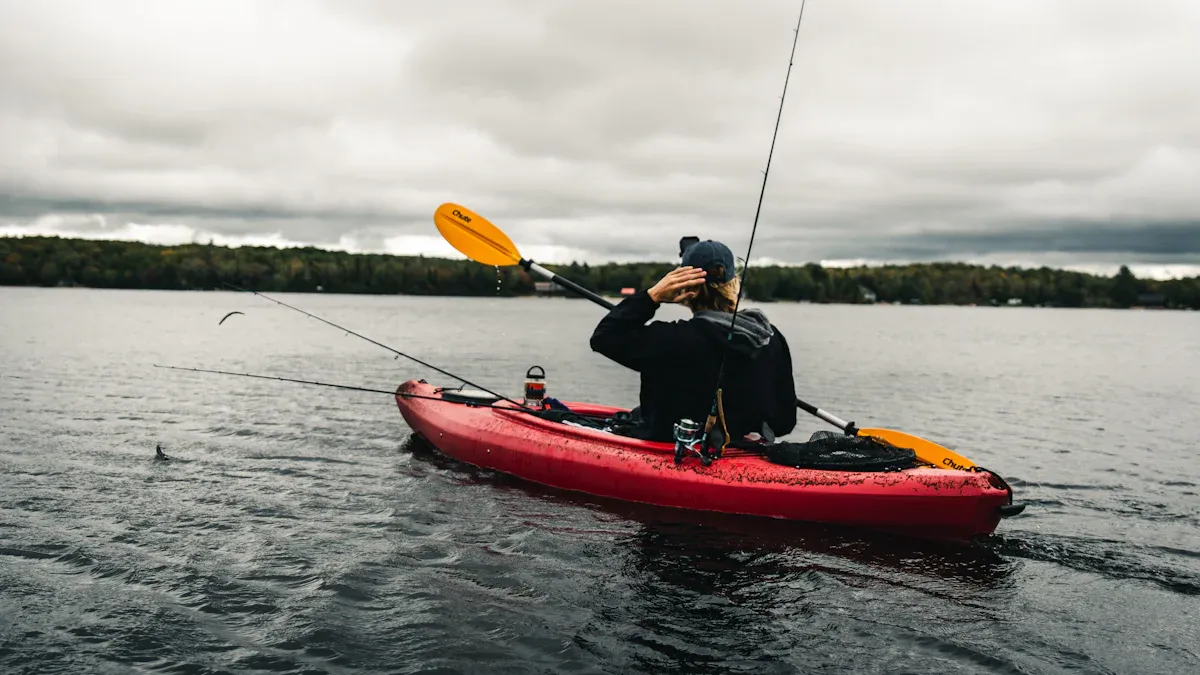
When it comes to fishing, the best kayak can make all the difference. Imagine gliding smoothly across the water in the best kayak, casting your line with ease, and enjoying every moment spent outdoors. Choosing a kayak tailored to your fishing style can enhance your experience and increase your chances of landing that big catch. With so many options available, from sit-on-top to inflatable kayaks, it’s crucial to think about what suits you best. Consider your personal preferences and the type of fishing you love to do!
Key Takeaways
Choose the right kayak type based on your fishing style. Sit-on-top kayaks offer stability, while inflatable kayaks are portable and budget-friendly.
Consider essential features like storage options and rod holders. Efficient storage keeps your gear organized and accessible during your fishing trips.
Check the weight capacity of the kayak. Ensure it can support you, your gear, and any fish you catch for optimal performance and safety.
Think about portability when selecting a kayak. Lightweight models are easier to transport, making it simpler to reach your favorite fishing spots.
Assess the intended fishing environments. Different designs work better in calm waters versus open waters, impacting your stability and success.
Kayak Types
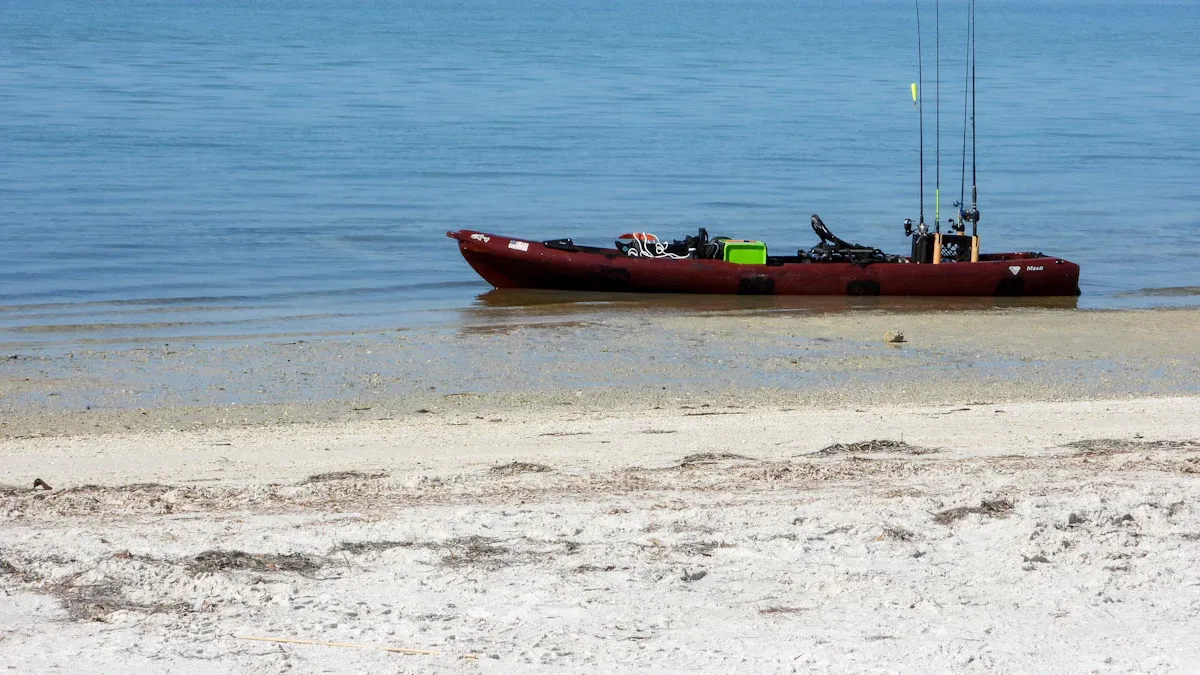
When choosing the best fishing kayaks, understanding the different types available is essential. Each type has unique features that cater to various fishing styles and environments.
Sit-On-Top Kayaks
Sit-on-top kayaks are popular among anglers for several reasons. They offer a stable platform, making it easy to stand while casting your line. Their design allows for quick entry and exit, which is great when you want to land a fish or take a break. Here’s a quick comparison of sit-on-top kayaks versus other types:
Feature | Fishing Kayak (Sit-on-top) | Recreational Kayak (Sit-in/Sit-on-top) |
|---|---|---|
Structure | Designed for comfort and ease of casting; allows standing | Can be either sit-in or sit-on-top; more focused on touring |
Size | 10-14 feet long, 30-35 inches wide for stability | 6-23 feet long, 25-30 inches wide for various uses |
Stability | High primary and secondary stability for fishing | Varies; often better for speed and tracking |
Storage | Equipped with sealed hatches, rod holders, and gear tracks | May have limited storage; not as critical for short trips |
Inflatable Kayaks
Inflatable kayaks are another great option for fishing. They are generally more affordable than hard-shell models, making them attractive for beginners. Their lightweight nature allows for easy storage and transport. However, keep in mind that they typically have a lower weight limit, which can affect how much gear you can bring along. Regular maintenance is also necessary to avoid punctures.
Sit-In Kayaks
Sit-in kayaks provide a more enclosed experience. They can be faster and offer better control in rough waters. However, they may not be as stable as sit-on-top kayaks, especially when standing. If you prefer a kayak that allows for more gear storage, sit-in kayaks might not be the best choice.
Paddle vs. Pedal
When it comes to propulsion, you have two main options: paddle and pedal kayaks. Paddle kayaks require you to use a paddle, which can be great for accessing hard-to-reach spots. However, they can be tiring over long distances. On the other hand, pedal kayaks allow for hands-free operation, letting you fish while you move. They are efficient and can cover more ground with less effort, but they may not perform as well in shallow waters.
Choosing the right kayak type can significantly enhance your fishing experience. Consider your fishing style and the environments you plan to explore!
Features for Fishing
When you’re out on the water, certain features can make your fishing experience much more enjoyable. Let’s dive into the key aspects you should consider when choosing the best fishing kayaks.
Storage Options
Having enough storage is crucial for any fishing trip. You want to keep your gear organized and easily accessible. Here are some storage features to look for:
Versatile storage solutions: Tackle crates are essential for organizing your gear. They help you stage everything you need for a successful day on the water.
Dedicated tackle storage systems: These ensure that your gear stays dry and secure. You don’t want to lose your favorite lures to a splash of water!
Efficient storage design: Since space is limited in kayaks, having storage that keeps your gear secure and easy to access is vital. Modern kayak storage crates often come with molded rod holders and water-resistant lids for better organization.
Stability for Standing
Stability is a game-changer when you’re kayak fishing. You want to feel secure while casting your line or reeling in a catch. Here are some design elements that contribute to stability:
Design Element | Contribution to Stability |
|---|---|
Wider Beams | Provides a stable platform for standing anglers. |
Flatter Hulls | Offers better stability compared to traditional hull shapes. |
Adjustable & Raised Seating | Allows for optimal positioning while fishing or paddling. |
Non-Slip Deck Pads | Ensures traction and comfort for standing without slipping. |
Stand-Assist Accessories | Aids anglers in standing up, enhancing stability. |
With these features, you can confidently stand and cast without worrying about tipping over. Stability directly impacts your satisfaction and success rates while fishing, allowing you to focus on the thrill of the catch.
Rod Holders and Accessories
Rod holders are essential for any fishing kayak. They keep your rods secure and accessible, allowing you to fish efficiently. Here are some common types of rod holders and accessories you might find:
Type of Mount | Description | Compatibility |
|---|---|---|
Flush Mount Rod Holders | Installed into the kayak for a low-profile design, ideal for stability. | Compatible with various brands |
Adjustable Rod Holders | Can be repositioned for optimal angle and accessibility while fishing. | Works with Railblaza, RAM, Scotty |
Slide Track Mounts | Offers customization in positioning for different fishing setups. | Universal fit for many kayaks |
Paddle Clips | Securely hold paddles to free hands for fishing activities. | Easy installation on most kayaks |
Light/Flag Mounts | Enhances visibility and safety on the water. | Fits various kayak models |
When choosing rod holders, consider their placement. Positioning them behind or to the sides of your kayak keeps them out of the way while paddling, allowing for easy access when you need to cast. Proper placement can significantly enhance your fishing experience.
What to Consider When Buying a Fishing Kayak
When you’re ready to buy a fishing kayak, several important factors come into play. Understanding these can help you choose the best kayak for your needs.
Weight Capacity
Weight capacity is one of the first things you should check. Each kayak has a maximum weight limit, which includes you, your gear, and any fish you catch. Most fishing kayaks have a weight limit between 250 lbs to 300 lbs. For example, Ascend Kayaks can hold up to 325 lbs.
Source | Max. Weight Capacity |
|---|---|
Ascend Kayaks | 325 lbs |
If you plan to bring a lot of gear, remember that as weight increases, so does the effort needed to paddle. This can make maneuvering your kayak more challenging, especially if you approach the maximum weight limit. Here are some key points to consider:
The performance weight limit is typically 30-35% lower than the maximum capacity. This ensures optimal performance and safety.
Proper weight distribution is crucial for maintaining stability and speed while kayaking.
Exceeding weight limits can impair your kayak’s stability and overall performance.
Portability
Next, think about how you’ll transport your kayak. Portability is essential, especially if you plan to travel to different fishing spots. Common methods for transporting fishing kayaks include roof racks, trailers, and pickup trucks.
Roof racks are adjustable and designed specifically for kayaks, making them a popular choice.
Trailers work well for heavier models or if you have multiple kayaks to transport.
Pickup trucks offer convenience but require secure fastening to prevent movement.
When selecting a kayak, consider its weight and size. Lightweight kayaks are easier to transport, while heavier models may need specialized equipment.
Heavier kayaks can be difficult to carry alone. Users often report struggles with kayaks weighing 48 lbs or more.
Longer and heavier kayaks may require tools like dollies or roof racks for easier transport.
Intended Fishing Environments
Finally, think about where you’ll be fishing. Different environments require specific kayak designs. For calm waters like lakes and rivers, simpler designs focusing on length and storage work well. In contrast, if you’re fishing in open waters, such as bays or offshore reefs, look for kayaks with watertight compartments and a lower center of gravity for stability in waves.
Consider these environmental factors:
Weather can change quickly, impacting safety and stability on the water.
Ocean kayaking involves elements like tides, surf, and wind, which require careful consideration.
The design of your kayak should balance speed and stability, crucial for fishing in varying conditions.
By assessing your personal fishing needs and preferences, you can make an informed decision. Whether you’re looking for the best budget fishing kayaks or the best inflatable fishing kayaks, understanding these factors will help you find the right fit for your adventures.
Choosing the right kayak can truly enhance your fishing adventures. Remember to consider the different kayak types, such as sit-on-top and inflatable models, and how their features align with your fishing style.
Here are some key points to keep in mind:
By assessing your personal preferences and needs, you can find a kayak that fits your style. The right choice will make your time on the water more enjoyable and successful!
FAQ
What type of kayak is best for beginners?
For beginners, a sit-on-top kayak is often the best choice. They offer stability, ease of use, and quick entry and exit. Plus, they allow you to enjoy fishing without worrying about tipping over.
How much should I spend on a fishing kayak?
You can find decent fishing kayaks ranging from $300 to $1,500. Your budget should reflect your needs, such as features and durability. Investing in a quality kayak can enhance your fishing experience.
Can I use a regular kayak for fishing?
Yes, you can use a regular kayak for fishing. However, fishing-specific kayaks offer features like rod holders and better stability. If you fish often, consider investing in a kayak designed for that purpose.
How do I transport my kayak?
You can transport your kayak using roof racks, trailers, or pickup trucks. Ensure you secure it properly to prevent movement during transit. Lightweight kayaks are easier to handle, making transport simpler.
What should I bring on a fishing kayak trip?
Bring essential gear like a life jacket, fishing rods, tackle box, and snacks. Don’t forget sunscreen, water, and a first aid kit. Staying prepared ensures a safe and enjoyable fishing adventure!