Book Appointment Now

Beginner’s Guide to Kayak Fishing
ByIMRAN
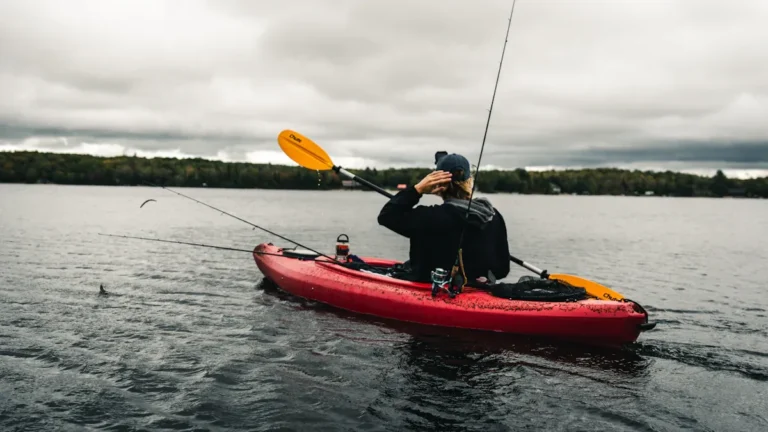
Kayak fishing offers a unique blend of adventure and tranquility, making it an exciting choice for those new to the sport. In this Beginner’s Guide to kayak fishing, you’ll discover that fishing from a kayak opens up a world of possibilities. You can access remote spots that bank fishing often overlooks, and you avoid the hefty costs of owning a boat.
Enjoy the freedom to fish whenever you want.
Experience the thrill of paddling to untouched waters.
Kayak fishing is generally considered more eco-friendly due to its human-powered nature, which eliminates fuel emissions and reduces noise pollution.
This eco-friendly approach allows you to connect with nature while enjoying your favorite pastime.
Key Takeaways
Always wear a Personal Flotation Device (PFD) for safety while kayak fishing.
Choose a stable and comfortable kayak to enhance your fishing experience.
Check the weather forecast before heading out to avoid dangerous conditions.
Know local fishing regulations to ensure compliance and protect the environment.
Practice casting techniques to maintain balance and improve your fishing success.
Gear for Kayak Fishing

When you start kayak fishing, selecting the right gear is crucial for a successful and enjoyable experience. The right fishing kayak provides stability and comfort, allowing you to focus on catching fish rather than worrying about tipping over. Here’s a closer look at the best fishing kayaks for beginners and the essential gear for kayak fishing.
Best Fishing Kayaks for Beginners
Choosing a fishing kayak can feel overwhelming, but focusing on stability and comfort makes it easier. Here are some of the best fishing kayaks for beginners that you should consider:
Lifetime Manta Angler 10′: This kayak features a catamaran hull design, offering excellent stability, especially for standing while casting.
Pelican Sentinel 100X: If you’re on a budget, this kayak provides solid stability at an affordable price.
Pelican Catch Mode 110: Designed specifically for stand-up fishing, this kayak ensures stability while you cast your line.
Wilderness Systems ATAK 120: This kayak combines stability with hands-free propulsion, thanks to its pedal drive system.
Lifetime Triton Angler 100: Ideal for heavier anglers, it supports higher weight while maintaining balance.
These kayaks typically range in price from $500 to $5,000, depending on the features and brand.
Kayak Type | Lower End | Higher End |
|---|---|---|
Fishing | $500 | $5,000 |
Essential Fishing Gear
Once you have your kayak, it’s time to gather your essential gear for kayak fishing. Here’s a checklist of items you’ll need:
Personal Flotation Device (PFD): This is a must-have for safety. It provides buoyancy if you accidentally end up in the water.
Fishing Rod Holder: This keeps your rods secure while you paddle or manage your gear.
Tackle Box: A waterproof box with compartments helps you organize your fishing essentials.
Storage Hatch or Deck Bag: Protect your valuables from water and keep them easily accessible.
Kayak Anchor: This stabilizes your kayak in currents or wind, allowing you to focus on fishing.
GPS Devices: These help you navigate unfamiliar waters safely.
Fish Finders: Using sonar technology, these devices locate fish and underwater structures efficiently.
Before heading out, make sure you have all the necessary gear. Being well-prepared enhances your fishing experience and keeps you safe on the water.
Safety Tips for Kayak Fishing

When you venture into kayak fishing, safety should always be your top priority. Here are some essential safety tips to keep in mind.
Wearing a PFD
Wearing a Personal Flotation Device (PFD) is non-negotiable. It’s your best defense against drowning. In fact, statistics show that 88% of recreational boating fatalities occur when individuals do not wear a PFD. This alarming figure highlights the importance of this safety equipment for kayak fishing.
Statistic | Percentage |
|---|---|
Recreational boating fatalities without PFD | 88% |
Recreational boating incidents in Canada without PFD | over 80% |
Always choose a PFD that fits well and is comfortable. You want to ensure it doesn’t restrict your movement while paddling or fishing. Remember, it’s not just a recommendation; it’s a lifesaver.
Weather Considerations
Weather can change quickly, especially on the water. Before you head out, check the forecast. Here are some key points to consider:
Fishing during thunderstorms poses extreme danger due to lightning, which can strike from 10 miles away.
The 30-30 Rule states that if you see lightning and can’t count to 30 before hearing thunder, you should exit the water immediately.
Lightning kills an average of 20 people annually in the U.S., with many more injured, highlighting the risks faced by anglers.
To stay safe, follow these best practices for checking weather forecasts:
Check multiple sources to cross-reference forecasts for a comprehensive view of the weather.
Plan your trip according to your skill level and the predicted conditions.
Stay flexible and be prepared to change your plans if the weather forecast changes unexpectedly.
Additionally, always inform someone about your fishing plans. Let them know your intended route and estimated return time. This way, they can raise the alarm if something goes wrong.
Always check the weather forecast for your location. Sudden storms, high winds, or extreme heat can pose significant risks to your safety. It is best to avoid fishing in unfavorable weather conditions, especially if you are a beginner.
By following these safety tips, you can enjoy your kayak fishing experience while minimizing risks. Remember, being prepared is key to having a fun and safe adventure on the water!
Fishing from a Kayak Basics
Casting Techniques
When you’re fishing from a kayak, mastering your casting techniques is key to success. Here are some tips to help you maintain balance while casting:
Keep major fixed weights low and centered. This minimizes the rise of your center of gravity when you stand.
Create a clear, non-slip standing area. Remove trip hazards and secure items away from your foot zone.
Practice pop-ups in calm water. Stand slowly to understand how your kayak reacts when you rise.
Maintain a steady base while casting. Widen your stance, rotate from your hips, and keep a low bent knee posture to distribute force evenly.
If your kayak lists to one side, adjust weight placement. Move a small weight to the opposite side to minimize the listing.
These techniques will help you feel more stable and confident while fishing from a kayak.
Rigging Your Kayak
Rigging your kayak properly can enhance your fishing experience significantly. Here are some essential accessories to consider:
Rod Holders: These keep your rods secure while you paddle or manage your gear. They allow you to focus on fishing without worrying about losing your equipment.
Anchor Systems: An anchor system is crucial for fishing in moving water or windy conditions. It keeps your kayak stable, allowing you to concentrate on fishing without being pushed off course. Different types of anchors cater to various conditions:
The YakGear Mushroom Anchor works well in calm waters.
The Grapnel Anchor is versatile for moderate conditions.
The Bruce Claw Anchor excels in strong currents.
A drift anchor can control drift speed, improving bait presentation.
By rigging your kayak with these accessories, you can fish more effectively and enjoy your time on the water.
Best Locations for Kayak Fishing
Finding the right spots for kayak fishing can make all the difference in your experience. As a beginner, you want locations that are accessible, safe, and filled with fish. Here are some popular beginner spots you should consider:
Popular Beginner Spots
Lake Guntersville, Alabama: This lake is famous for its abundant fish populations, including largemouth bass, crappie, and catfish. With 900 miles of shoreline, it offers plenty of space for you to explore and fish.
Wando River, South Carolina: This smaller river is perfect for beginners. It provides excellent habitat for speckled trout and redfish. Plus, it has multiple launch points, making it easy to get on the water year-round.
When choosing a location, consider factors like weather conditions, the type of kayak you have, and the species you want to target. For example, if you’re after bass, look for lakes with plenty of cover and structure. If you’re fishing in rivers, pay attention to current and water depth.
Local Regulations
Before you head out, it’s crucial to understand the local regulations for kayak fishing. Here are some key points to keep in mind:
Each kayaker must have a Coast Guard-approved personal flotation device (PFD) that is accessible and in good condition. It’s best to wear it at all times.
Carry an audible signaling device, like a bell or whistle, to alert others of your presence.
From dusk to dawn, you need a white light visible from all directions for safe navigation.
Following these regulations not only keeps you safe but also helps protect the environment and the fish populations. Violating these rules can lead to penalties, including disqualification from fishing tournaments or fines.
Tip: Always check the specific regulations for the area you plan to fish. Local rules can vary widely, and staying informed will help you avoid any surprises.
Seasonal Considerations
Fish behavior changes with the seasons, so timing your trips can greatly affect your success. Here’s a quick overview of how seasons impact fishing:
Factor | Description |
|---|---|
Seasonal Temperature | Affects water temperature, influencing spawning periods and fish behavior. |
Local Weather | Impacts daily fish location patterns; cold or warm fronts can alter fish movements. |
Food Availability | Determines fish health and growth; predators follow seasonal prey availability. |
Reproduction | Different species require specific conditions for spawning, affecting their seasonal movements. |
By understanding these factors, you can plan your kayak fishing trips to coincide with peak fishing times, increasing your chances of a successful outing.
With the right locations and knowledge of local regulations, you’ll be well on your way to enjoying kayak fishing. So grab your gear, choose a spot, and get ready for an adventure on the water!
Kayak fishing opens up a world of adventure and relaxation. You can explore new waters, connect with nature, and enjoy the thrill of fishing all at once. Remember these key takeaways as you start your journey:
Always wear a life jacket to ensure safety.
Know your limits to avoid overexertion.
Check the weather forecast before heading out.
Stay alert and aware of your surroundings.
Have a communication plan for emergencies.
With the right gear and preparation, you can make the most of your kayak fishing experience. So grab your kayak, pack your essentials, and get ready to create unforgettable memories on the water!
FAQ
What is kayak fishing?
Kayak fishing combines kayaking and fishing, allowing you to access remote waters. You paddle your kayak to your desired fishing spot, making it an exciting and eco-friendly way to fish.
Do I need a fishing license for kayak fishing?
Yes, you typically need a fishing license for kayak fishing, just like any other fishing activity. Check your local regulations to ensure compliance before heading out.
What gear do I need for kayak fishing?
Essential gear includes a kayak, PFD, fishing rod, tackle box, and anchor. You may also want a fish finder and GPS for navigation. Always prioritize safety equipment.
Can I fish in any body of water with my kayak?
Not all bodies of water are suitable for kayak fishing. Check local regulations for restrictions on fishing in certain areas, and consider factors like water conditions and safety.
How do I stay safe while kayak fishing?
Always wear a PFD, check the weather, and inform someone about your plans. Stay aware of your surroundings and avoid fishing in dangerous conditions.