Book Appointment Now

How to Master the Art of Catching and Releasing Fish
ByIMRAN
Catch and release fishing plays a vital role in conserving fish populations. Did you know that over 80% of the world’s fisheries face threats from overfishing? This alarming statistic highlights the need for responsible fishing practices. By practicing catch and release, you help ensure that fish can live and reproduce, allowing future generations to enjoy this sport.
Here are some key benefits of catch and release fishing:
Benefit | Description |
|---|---|
Sustainability | Ensures fish can live and reproduce, maintaining fishing for future generations. |
Biodiversity | Healthy fish populations support balanced ecosystems and habitat health. |
Community Engagement | Promotes collective responsibility for conservation within the fishing community. |
Balancing the joy of catching fish with the responsibility of protecting their populations is essential for a sustainable future.
Key Takeaways
Catch and release fishing helps conserve fish populations for future generations.
Using barbless hooks reduces injury and increases survival rates for released fish.
Minimize handling time and keep fish in water to enhance their chances of recovery.
Practice proper techniques like gentle handling and quick retrieval to support fish well-being.
Engage with community efforts and guidelines to promote responsible fishing practices.
Gear for Catching Fish
Rods and Reels
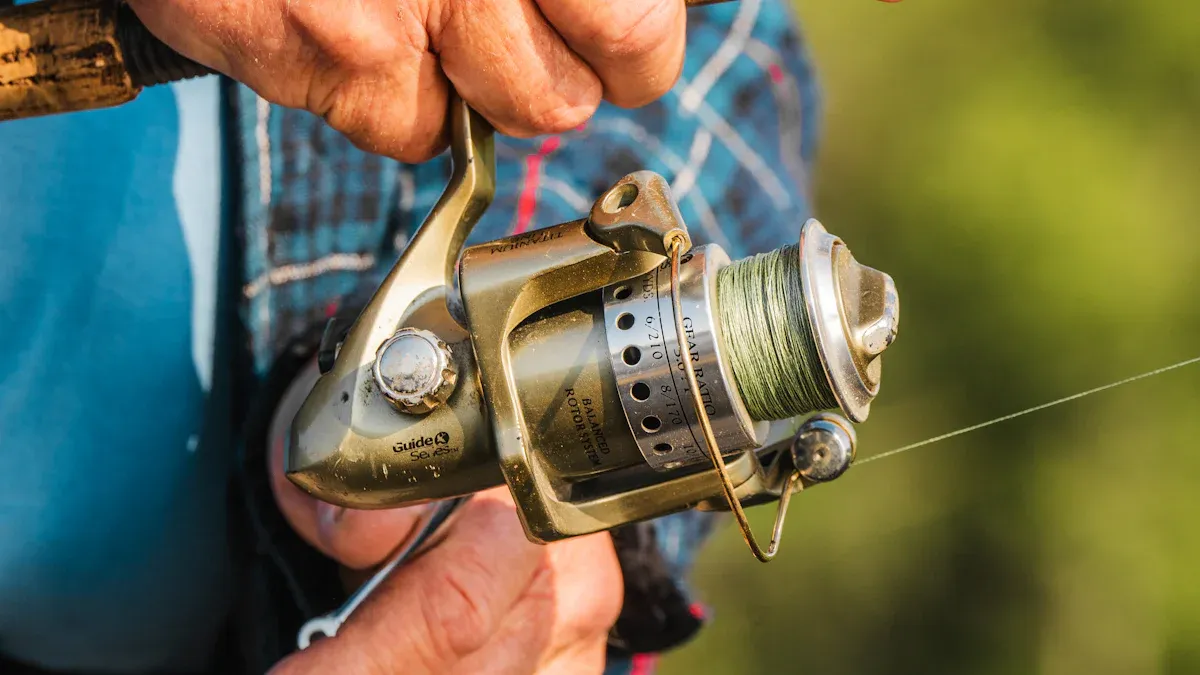
Choosing the right rod and reel is essential for successful fishing. Different species require specific gear to ensure you catch them effectively. For example, light tackle works well for smaller fish, while heavier gear is necessary for larger species. Using appropriate equipment helps minimize stress on the fish. When you select gear that matches the fish’s size and strength, you can land them more quickly. This quick retrieval reduces the time the fish spends out of water, increasing their chances of survival.
Hooks and Lines
The type of hooks and lines you use can significantly impact fish health during catch and release. Here are some recommended hook types and their benefits:
Hook Type | Benefit |
|---|---|
Circle Hooks | Reduce the incidence of hook swallowing, minimizing injury and increasing survival rates. |
Bite-Shortened Hooks | Allow for easy and rapid self-release while retaining high landing success rates. |
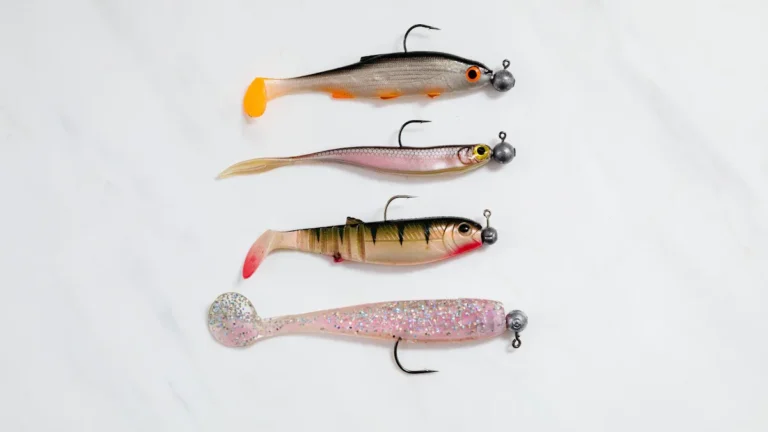
Barbless Hooks | Minimize injury and facilitate easier release of fish. |
Using barbless hooks is particularly beneficial. Studies show that they reduce tissue damage and handling stress, leading to lower mortality rates. Additionally, circle hooks enhance survival rates due to better hook location and ease of unhooking.
Advancements in fishing gear technology also contribute to improved fish survival rates. For instance, electric reels help fish recover from barotrauma more efficiently. Spot-lock trolling motors allow you to retrieve fish quickly, minimizing stress. By using the right gear, you not only enhance your fishing experience but also support conservation efforts.
Techniques for Catching Fish
Proper Casting Methods
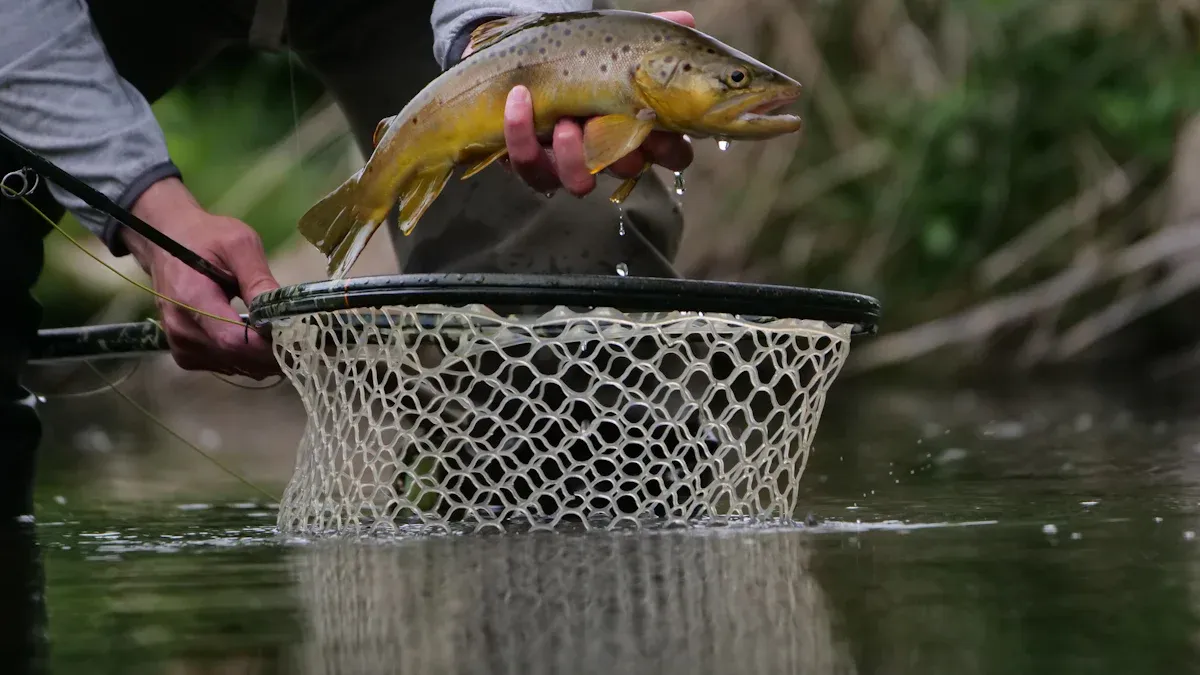
Effective casting methods can significantly reduce stress on fish during the catch. Here are some best practices to follow:
Wet your hands before touching a fish to avoid causing skin damage and infections.
Keep the fish and its gills underwater as much as possible.
Handle the fish gently to minimize stress and physical harm.
Remove hooks from the fish’s mouth while it is still underwater.
If you need to lift the fish out of the water, limit its time in the air to less than 60 seconds.
Support the fish’s whole body when lifting it to prevent internal injuries.
Use circle hooks or barbless hooks to make hook removal easier and improve the fish’s chances of recovery after release.
By following these methods, you can enhance the well-being of the fish you catch.
Quick Retrieval Strategies
Quick retrieval strategies play a crucial role in enhancing survival rates for released fish. Here are some effective techniques:
Use a Net: A landing net can help you quickly bring the fish to the boat or shore. This minimizes the time the fish spends out of water.
Keep Equipment Ready: Have your tools, like pliers and scissors, within reach. This allows you to unhook the fish swiftly.
Avoid Dragging: When reeling in, avoid dragging the fish through the water. Instead, keep the line tight and reel steadily to bring the fish in smoothly.
Practice Catch and Release: Regularly practicing catch and release helps you become more efficient. The more you do it, the quicker you will become.
Here are some common mistakes anglers make during catch and release, along with solutions to avoid them:
Common Mistakes | Solutions |
|---|---|
Improper handling of fish | Keep the fish in the water as much as possible when landing and unhooking. |
Inadequate tools | Bring extra equipment like nets and hemostats to assist in handling fish safely. |
Removing fish from water for too long | Limit the time fish are out of water for photos to prevent oxygen deprivation. |
Scraping off fish slime | Wet hands before touching fish and avoid using gloves to protect their slime layer. |
Squeezing or dropping fish | Handle fish gently and avoid dropping them to prevent injury. |
Fishing in poor environmental conditions | Avoid fishing during high water temperatures or low flows to reduce stress on the fish. |
By implementing these strategies, you can improve your skills in catching fish while ensuring their safety and well-being.
Handling and Reviving Fish
Best Practices for Handling
Handling fish properly is crucial for their survival after catch and release. Here are some best practices to follow:
Use a Net or Cradle: Landing fish with a net or cradle minimizes stress and injury. This method allows you to keep the fish in water as much as possible.
Wet Your Hands: Always wet your hands before touching a fish. This protects their skin and maintains their protective slime layer.
Avoid Gill Plate Contact: Do not touch the gill plate. This area is sensitive and can easily get injured.
Limit Air Exposure: Keep the fish out of water for as little time as possible. Excessive handling can lead to injuries and increase post-release mortality.
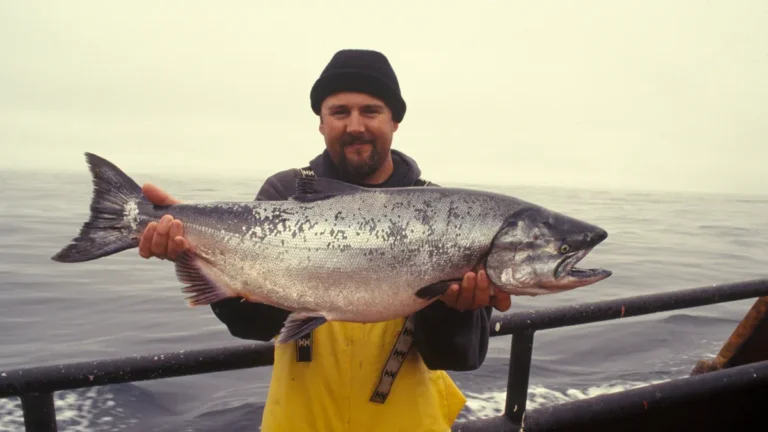
Support the Fish: Hold the fish horizontally and over water when taking photos. This position helps prevent injuries.
Using the right tools can also enhance your handling techniques. Here are some recommended tools:
Lip-Gripping Tools: These minimize handling and protect you from sharp teeth or fins.
Circle Hooks: They reduce deep hooking and make removal easier.
Dehookers: Use these to unhook fish while they remain in the water.
Pliers: These help with unhooking and keep your fingers safe.
Rubberized-Mesh Net: This type of net protects the fish’s slime coat during handling.
Bare and Wet Hands: Always use wet hands to maintain the fish’s protective slime coat.
Techniques for Reviving Fish
Reviving fish before release is essential for their recovery. Here are effective techniques to ensure they regain strength:
Technique | Description | Effectiveness |
|---|---|---|
Manual Movement | Move the fish back and forth in the water to promote gill flow. | Recommended despite lack of experimental support. |
Recovery Totes | Provide a safe on-board recovery environment for bycatch before discarding. | Effective for reducing stress in bycatch. |
Flow-Through Recovery Bags | Use these to reduce fish impairment before release. | Useful in preventing post-release predation. |
Water temperature plays a significant role in the effectiveness of revival techniques. In summer, moving fish forward through the water helps reoxygenate them. Warm water fish often face oxygen stress and need rapid reoxygenation. Cold water fish, however, have adequate oxygen but require time to clear accumulated lactic acid from their muscles. Forcing water over their gills does not speed up this process.
In winter, create a recovery space for fish. If fishing through a small hole, clear a larger area around it. This allows fish to recover more effectively.
By following these handling and reviving techniques, you can significantly improve the chances of survival for the fish you catch.
Fish Survival Rates
Factors Affecting Survival
Several factors influence fish survival rates after you release them. Understanding these factors can help you improve your catch and release practices. Here are some key elements to consider:
Factor | Description |
|---|---|
Species Characteristics | Different species have varying levels of fragility. Some fish lose scales easily, leading to higher mortality. |
Handling Practices | Longer handling times and exposure to air increase mortality rates. Shorter exposure times improve survival. |
Environmental Conditions | Water temperature significantly affects survival. Higher temperatures can lead to increased mortality. |
Physiological Stressors | Injuries from capture and discarding vary by species. Some fish are more sensitive to these traumas. |
Research and Statistics
Recent studies provide valuable insights into fish survival rates following catch and release practices. For example, a study found that injuries sustained by salmon can lead to mortality rates as high as 40%. This rate often depends on environmental conditions. To enhance survival, anglers should use smaller hooks and minimize handling time.
Another study highlights that fish like cobia and rainbow trout face higher mortality rates under high temperatures and low oxygen levels. Fish released in these conditions may experience prolonged recovery times, reducing their chances of survival.
Here are some statistics on survival rates for different fish species:
Fish Species | Survival Rate (with barotrauma) | Survival Rate (without barotrauma) |
|---|---|---|
Black Sea Bass | 90% (if able to swim back) | N/A |
Black Sea Bass | 16% (if floating after release) | N/A |
Deepwater Grouper | 50% (with descending device) | N/A |
Gray Triggerfish | 40% (no visible injuries) | 25% (with barotrauma) |
By understanding these factors and statistics, you can make informed decisions that improve the survival rates of the fish you catch.
Ethical Fishing Practices
Community Perspectives
Community views on catch and release fishing vary widely. Many anglers believe that proper handling techniques are crucial for fish survival after release. They emphasize that you should treat fish with care to ensure they thrive. Here are some common perspectives:
Fish Survival: Proper handling techniques help fish survive after being released.
Conservation Efforts: Many see catch and release as an ethical choice that supports fish populations and sustainability.
Respect for Wildlife: Anglers often express a commitment to preserving aquatic life and recognizing the ecological value of fish.
Research shows that fishing guides across different regions generally support catch and release practices. A significant percentage, ranging from 50.9% to 96.2%, demonstrate pro-environmental intentions. However, knowledge and practices can differ based on cultural attitudes toward fishing.
Promoting Responsible Fishing
Promoting responsible fishing practices is essential for conservation. Various organizations provide guidelines to help anglers fish ethically. Here are some key guidelines:
Guideline/Code | Description |
|---|---|
FAO Code of Conduct for Responsible Fisheries | Sets international standards for responsible practices to ensure effective conservation and management of aquatic resources. |
International Plans of Action | Focus on specific topics such as shark conservation and reducing incidental catch of seabirds. |
National Plans of Action | Developed by FAO members to implement the international plans at the national level. |
You can also participate in educational programs that promote responsible fishing. For example, the project “Science That Keeps You Hooked” empowers anglers to become stewards of sportfish resources. It encourages participation in scientific initiatives and knowledge transfer within the recreational angling community.
By adopting these practices, you contribute to the health of fish populations and the overall ecosystem. Remember, responsible fishing not only enhances your experience but also supports conservation efforts for future generations.
Catching and releasing fish is vital for conservation. Here are some key takeaways:
Recreational fishing impacts fish populations significantly.
Larger fish, especially mature females, are crucial for population productivity.
Catch-and-release practices are effective conservation strategies.
To support fish conservation, you can implement these techniques:
Use barbless hooks to minimize damage.
Keep fish in the water as much as possible.
Handle fish gently and support their bodies.
Revive fish before releasing them.
By adopting these practices, you contribute to healthier fish populations and sustainable fishing experiences. 🎣
FAQ
What is catch and release fishing?
Catch and release fishing involves catching fish and returning them to the water unharmed. This practice helps maintain fish populations and supports conservation efforts.
Why should I use barbless hooks?
Barbless hooks reduce injury to fish during catch and release. They allow for easier removal and minimize damage, increasing the chances of survival after release.
How can I tell if a fish is stressed?
Signs of stress in fish include gasping at the surface, erratic swimming, or lethargy. If you notice these behaviors, handle the fish gently and release it quickly.
What should I do if a fish is deeply hooked?
If a fish is deeply hooked, avoid pulling the hook out forcefully. Instead, use a pair of pliers to cut the line close to the hook. This minimizes injury to the fish.
How long can a fish survive out of water?
Most fish can only survive a few minutes out of water. Limit their exposure to air to ensure they have the best chance of recovery after release.