Book Appointment Now

Best Fishing Practices for Catching Big Fish
ByIMRAN
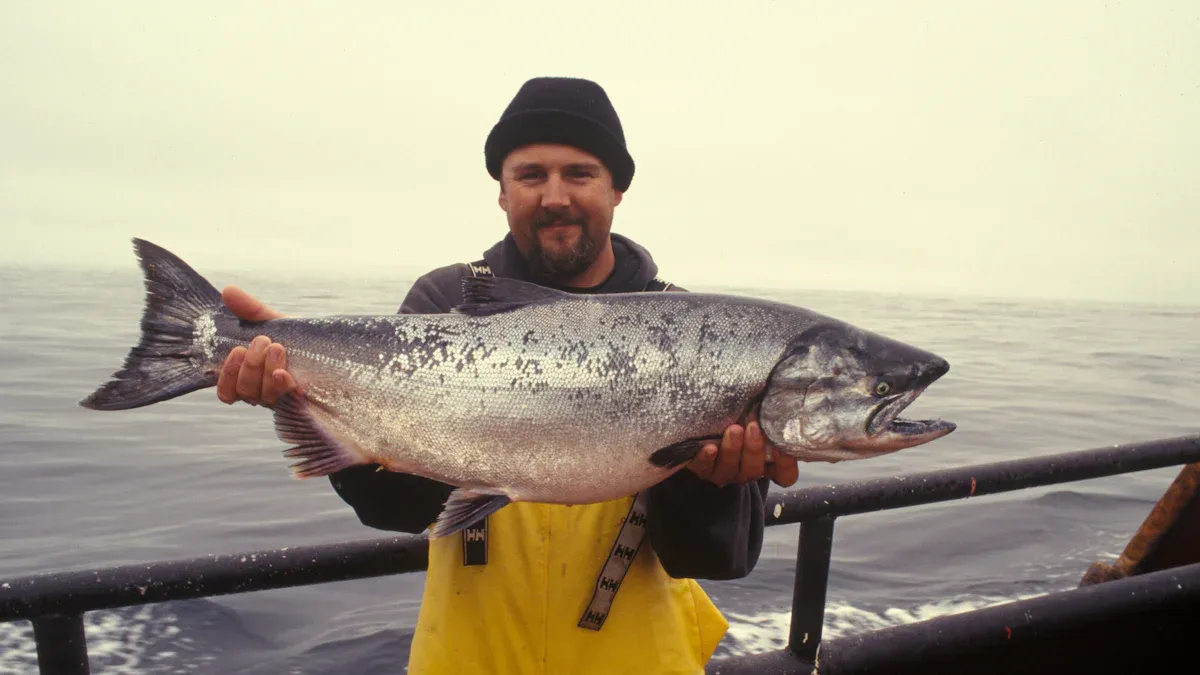
Imagine the thrill of reeling in a massive fish, feeling the adrenaline rush as it fights against your line. Catching big fish isn’t just about luck; it’s about using the best fishing practices. Many anglers struggle with challenges like catch-and-release techniques, barotrauma, and handling large fish. These issues can affect your success and the fish’s survival. By mastering effective techniques and understanding the right gear and bait, you can enhance your fishing experience and increase your chances of landing that trophy catch.
Key Takeaways
Master your casting and retrieval techniques to increase your chances of catching big fish.
Choose the right gear, including rods, reels, and lines, to effectively handle larger species.
Select the best bait for your target fish, considering both live bait and lures for optimal results.
Identify prime fishing locations and understand seasonal patterns to find big fish more easily.
Practice catch-and-release techniques to ensure fish survival and contribute to healthy aquatic ecosystems.
Techniques for Big Fish
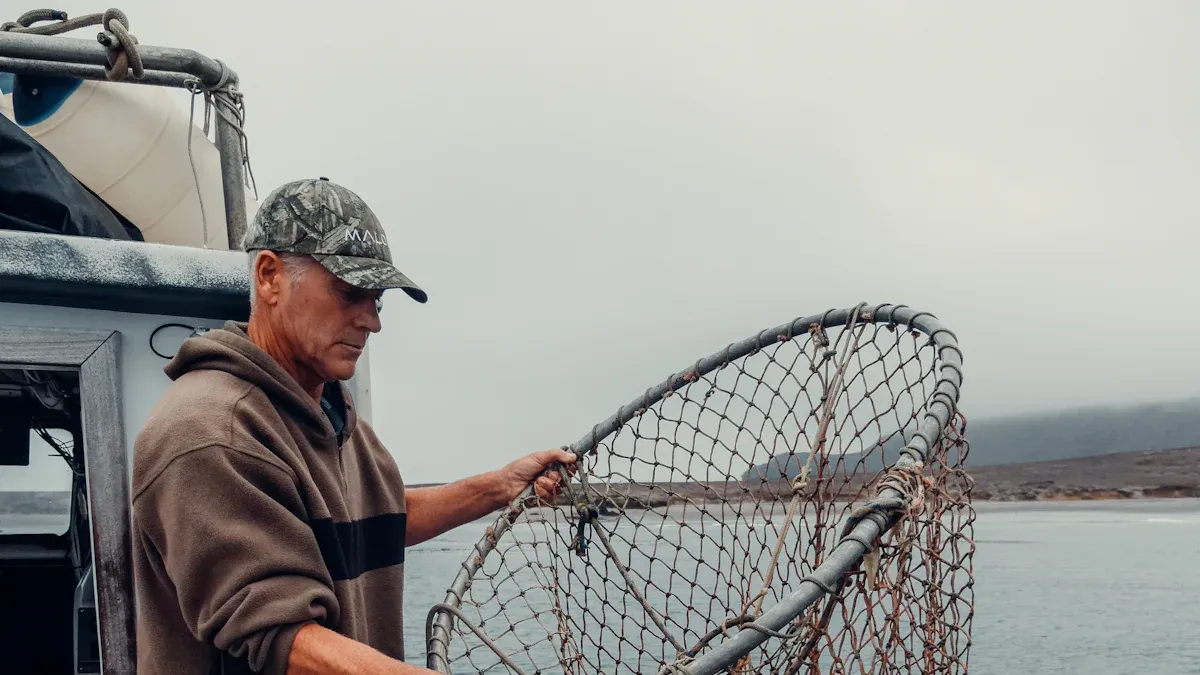
Casting and Retrieval
When it comes to catching big fish, mastering your casting and retrieval techniques can make all the difference. Here are some effective methods to enhance your chances:
Slow and Steady: A steady retrieve works wonders for cautious species. It allows the fish to inspect your bait without feeling rushed.
Pulsating Movement: This technique mimics fleeing prey, which can attract predatory fish. Try varying your retrieve speed to see what works best.
Stop-and-Go: Incorporating pauses in your retrieve can trigger predatory instincts. Fish often strike when they see something that looks vulnerable.
Remember, the speed of your retrieval can significantly impact your success. Adjusting your technique based on the fish’s behavior can lead to better results.
Fighting Techniques
Once you’ve hooked a big fish, the real challenge begins. Here are some fighting techniques recommended by professional anglers to help you land that trophy catch:
Assess Your Surroundings: Before you start reeling, take a moment to identify any potential obstructions. This helps you steer the fish away from hazards.
Use Rod Angles: Keep your rod at the right angle to control the fish’s movements. This can prevent breakoffs and give you a better chance of landing the fish.
Know Your Tackle Limits: Understand how much pressure your gear can handle. This knowledge helps you apply the right amount of force without risking a break.
Keep Tension on Your Trophy: Always maintain a tight line. This prevents the fish from shaking off the hook, increasing your chances of a successful catch.
Working as a team can also be beneficial. If you’re fishing with a buddy, communicate effectively to keep a good connection to the fish and avoid hazards.
Rod Handling: Keep the rod low and to the side. This position helps maintain pressure and control over the fish.
Situational Awareness: Always assess your surroundings to avoid obstacles and find safe landing spots.
Lastly, stay calm. Focus on the task at hand and remain composed. This mindset can significantly increase your chances of landing that big fish. Use side pressure to manipulate rod angles and control the fish’s direction. Remember to be patient; waiting for the right moment to land the fish is crucial.
By applying these casting and fighting techniques, you’ll be well on your way to catching big fish.
Best Fishing Gear
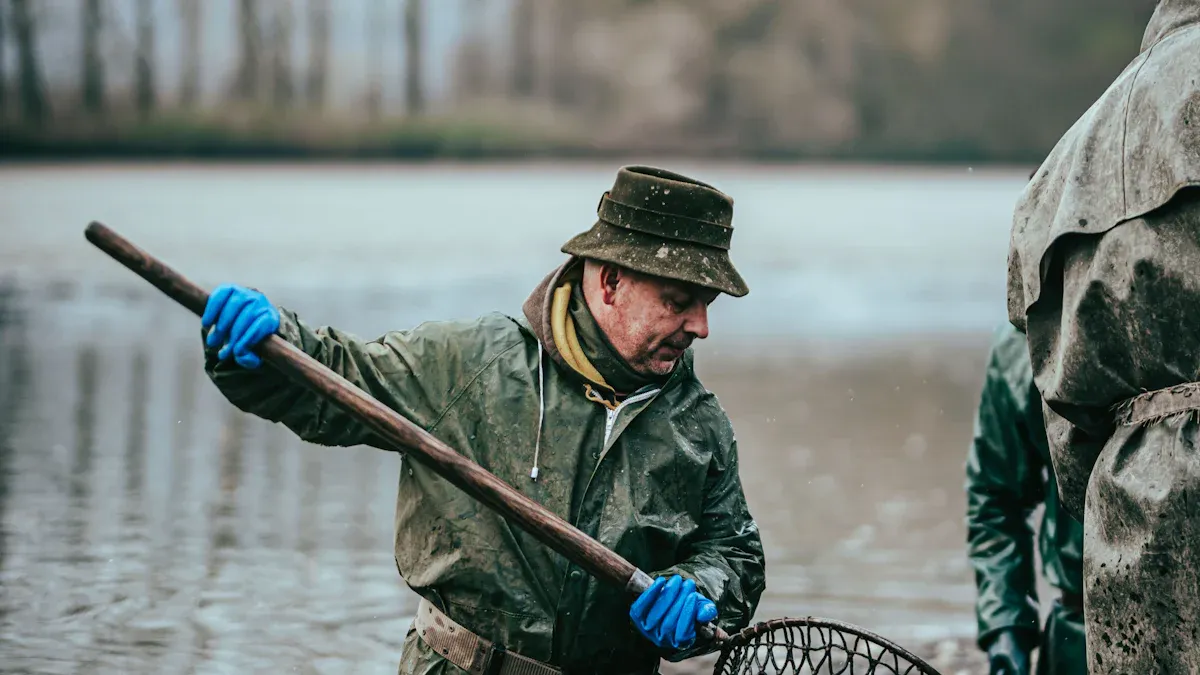
Choosing the right gear is crucial when you’re targeting big fish. The right rod, reel, and line can make all the difference in your fishing experience. Let’s dive into what you need to know.
Rod and Reel Choices
When selecting a rod and reel, consider the type of fish you want to catch. Here’s a handy table to guide you:
Rod Type | Application for Big Fish Species |
|---|---|
Medium-Light Rod | Ideal for bigger trout, light trolling, and surf fishing |
Effective for targeting surfperch, corbina, croaker, and halibut | |
Suitable for catfish in the 1-5 pound range | |
Used for striped bass fishing, especially in open water |
Longer rods, typically between 7-10 feet, offer several advantages. They generate greater rod tip speed, which leads to faster lure speed and longer casts. This is especially beneficial when you’re trying to reach large fish in deeper waters. Additionally, longer rods help clear obstacles while fighting fish, increasing your chances of a successful catch.
On the other hand, shorter rods (5-6.5 feet) provide better accuracy and control, especially in areas with obstacles. Fast-action rods bend near the tip, allowing for quick, controlled casts that enhance precision during the fight with large fish.
Line Types and Strengths
Choosing the right line is just as important as selecting your rod and reel. You want a line that can handle the weight and strength of big fish. Here are some tips:
Monofilament: This type of line is versatile and easy to handle. It offers good stretch, which can help absorb shocks during a fight.
Braided Line: Known for its strength and sensitivity, braided line is excellent for catching larger species. It has a smaller diameter, allowing for longer casts and better depth penetration.
Fluorocarbon: This line is nearly invisible underwater, making it a great choice for clear water conditions. It also has low stretch, providing better sensitivity.
Remember, the strength of your line should match the size of the fish you’re targeting. A good rule of thumb is to use a line that can handle at least 10-20% more than the weight of the fish you expect to catch.
By investing in the right gear, you set yourself up for a successful fishing trip. Whether you’re trolling or casting from the shore, having the right rod, reel, and line will enhance your experience and increase your chances of landing that big catch.
Bait Selection
Choosing the right bait is crucial when you’re out there trying to catch big fish. The type of bait you use can significantly influence your success rate. Let’s explore the differences between live bait and lures, and discover the best options for targeting large fish.
Live Bait vs. Lures
When it comes to bait selection, you often face the choice between live bait and artificial lures. Each option has its pros and cons, and understanding these can help you make the best decision for your fishing trip.
Tip: Consider the fishing conditions and the species you’re targeting when making your bait choice.
Here’s a quick comparison to help you decide:
Aspect | Live Bait | Artificial Lures |
|---|---|---|
Effectiveness | Natural scent and movement can attract a wider range of fish species. | May not mimic natural movement or scent as effectively. |
Convenience | Requires care and maintenance to keep alive and fresh. | Reusable multiple times, saving time and money. |
Storage | Messy and requires refrigeration or special storage. | Cleaner option, no special storage needed. |
Cost | Can be more expensive and less convenient to transport. | Generally more cost-effective in the long run. |
Targeted Species | Can attract unwanted species or non-targeted predators. | Certain lures designed for specific fish species. |
Fishing Conditions | More effective in low visibility or less active fish conditions. | Versatile and can be adapted to various conditions. |
Both live bait and lures have their place in your tackle box. If you’re fishing in murky waters or targeting species that rely on scent, live bait might be your best bet. On the other hand, if you want to cover more water quickly or fish in clear conditions, lures can be incredibly effective.
Best Baits for Big Fish
Now that you know the differences, let’s look at the best bait types for specific large fish species. Using the right bait can make all the difference in your success rate.
Fish Species | Effective Bait Types |
|---|---|
Freshwater | Worms, Minnows, Dough baits, Insects |
Saltwater | Cut bait, Squid, Shrimp |
When you’re out fishing, remember that bait presentation is just as important as the bait itself. The formula F (Fish) + L (Location) + P (Presentation) = S (Success) highlights how crucial it is to present your bait effectively. For example, when trolling, you want your bait to mimic the natural movement of prey to entice those big fish.
Note: Water clarity, temperature, and depth can all influence your bait choice. Pay attention to these factors to improve your chances of catching fish.
Where and When to Find Fish
Hot Spots and Cover
Finding the right spots to fish can make or break your trip. Big fish often hang around underwater structures and cover. Here are some key areas to focus on:
Natural Structures: Look for rocks, fallen trees, and weed beds. These provide shelter and feeding opportunities for big fish.
Artificial Structures: Things like oil platforms and shipwrecks can attract fish. In fact, oil platforms can produce up to 27 times more fish biomass per square meter than natural reefs! This means they’re great places to find larger predators.
Depth Changes: Fish often gather where the water depth changes. Drop-offs and ledges can be prime locations for catching big fish.
These structures not only offer protection but also create safe zones for fish. They help fish avoid predators and environmental stressors, making them ideal spots for your next fishing adventure.
Seasonal Considerations
Understanding seasonal patterns is crucial for successful fishing. Fish behavior changes with the seasons, so here’s what you need to know:
Spring and Summer: Fish become more active as temperatures rise. They often move to shallower waters for spawning. This is a great time to catch them as they feed heavily to build energy reserves.
Fall: As temperatures drop, fish start to slow down. They may move to deeper waters where temperatures are more stable. This can make them less active and harder to catch.
Winter: Fish become lethargic in cold water. They often stay in deeper areas and reduce their food intake. If you’re fishing in winter, focus on deeper spots where fish are likely to be hiding.
Weather conditions also play a role. Storms can change water temperatures and introduce new food sources, attracting smaller fish to the surface. This, in turn, lures larger predator fish closer to shore.
By keeping these seasonal patterns in mind, you can improve your chances of finding big fish. Use this seasonal guide to locating trout and other species effectively.
Catch-and-Release Angling
Catch-and-release fishing is more than just a trend; it’s a vital practice for preserving fish populations and maintaining healthy ecosystems. When you release fish properly, you help ensure their survival and contribute to the overall health of aquatic environments. Here are some best practices to follow when engaging in catch-and-release angling.
Best Practices for Release
To maximize the chances of survival for the fish you catch, follow these essential steps:
Avoid using gaffs: Gaffs can cause serious injury. Instead, keep the fish in the water as much as possible.
Hold fish horizontally: This prevents internal organ displacement, which can happen if you hold them vertically.
Use long-nosed pliers: These tools make it easier to remove hooks without causing harm. If the hook is deeply embedded, consider cutting the leader instead of risking injury to the fish.
Opt for barbless hooks: These hooks reduce injury and make it easier to release fish quickly.
Return fish headfirst: This position helps them swim away more easily. If the fish seems sluggish, give it a gentle push to help it regain its strength.
Learn venting techniques: For deep-water fish, venting can release built-up gases and prevent injury.
By following these practices, you can significantly increase the survival rates of the fish you release. Remember, approximately 90% of fish caught and released survive, which is a testament to the effectiveness of proper techniques.
Handling Fish Safely
Handling and releasing fish correctly is crucial for their health. Improper handling can lead to increased post-release mortality, especially for larger species. Here are some tips to ensure you handle fish safely:
Use tools wisely: Lip-gripping tools minimize handling and keep your fingers safe from sharp teeth. A rubberized-mesh net protects the fish’s slime coat, which is essential for their health.
Keep fish wet: If you want to take a photo, keep the fish in the water as much as possible. This prevents oxygen deprivation and stress.
Avoid prolonged exposure: Don’t remove fish from the water for extended periods. The longer they’re out, the higher the risk of stress and injury.
Use heavier gear: This reduces fight time, which minimizes stress on the fish. The quicker you can bring them in, the better their chances of survival.
By adopting these handling techniques, you can help conserve fish populations and maintain healthy ecosystems. Remember, catch-and-release fishing not only benefits the fish but also supports the balance of ecosystems, allowing species to reproduce and thrive.
Tip: Always be mindful of the environment. Practicing catch-and-release angling helps prevent overfishing and reduces the need for costly restocking efforts.
Catching big fish takes more than just luck; it requires the right techniques, gear, and bait. Here’s a quick recap of what you learned:
Techniques: Master your casting and retrieval methods. Use effective fighting techniques to land that trophy fish.
Gear: Choose the right rod, reel, and line to handle larger species. Your gear can make all the difference.
Bait: Select the best bait for the fish you’re targeting. Whether you go for live bait or lures, presentation matters.
Location: Know where and when to find big fish. Look for natural structures and consider seasonal patterns.
Catch-and-Release: Practice sustainable fishing by handling fish properly and ensuring their survival.
Remember, protecting larger fish is crucial for maintaining healthy populations. Research shows that big, mature females contribute significantly to fish stocks. By applying these practices, you not only improve your chances of success but also help preserve our aquatic ecosystems. So, gear up and head out for your next fishing adventure!
