Book Appointment Now

How to Choose the Best Fishing Spot for Beginners
ByIMRAN
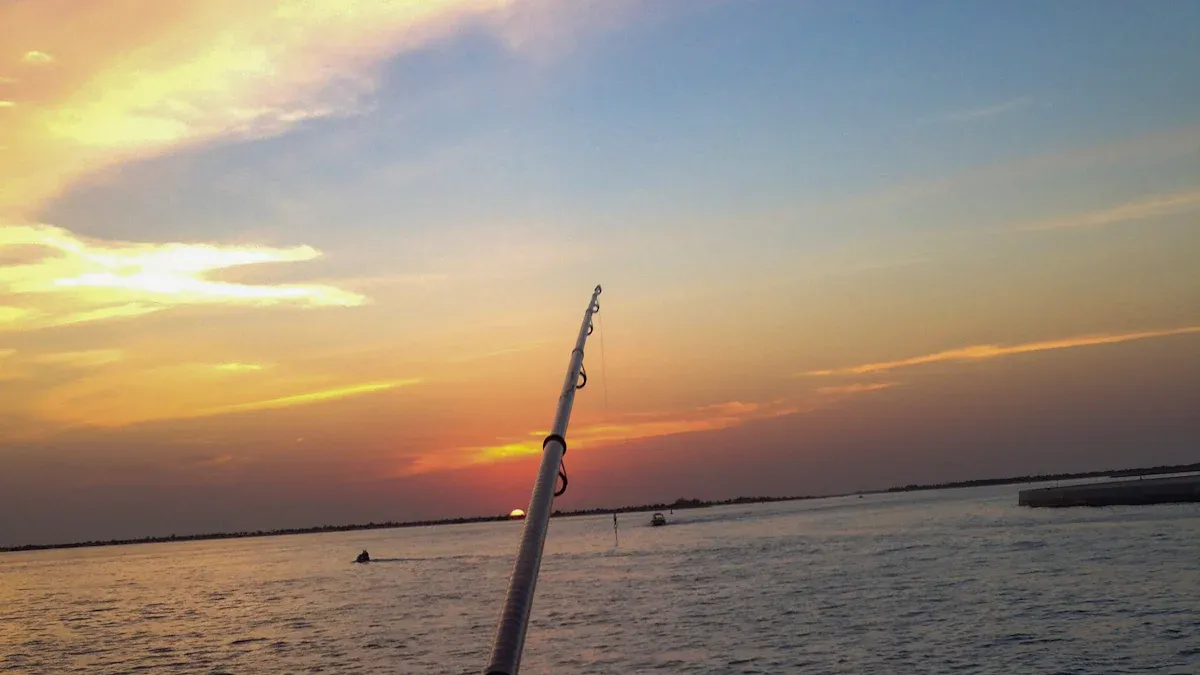
Hey there! If you’re excited about fishing, you’re not alone. Every year, millions of new anglers take the plunge into this relaxing hobby. In fact, in 2024, about 5.1 million new anglers will join the fun! Choosing the best fishing spot is key to having a successful day on the water. With this guide, you’ll find helpful tips to navigate your options and make informed choices.
Key Takeaways
Identify the type of water body you want to fish in, such as ponds, lakes, or rivers. Each type offers different fish species and fishing experiences.
Know the fish species you want to catch. Understanding their habits and preferred habitats will help you choose the right fishing spot.
Consider accessibility and safety when selecting a fishing location. Look for easy paths to the water and be aware of potential hazards.
Fishing Locations
Types of Water Bodies
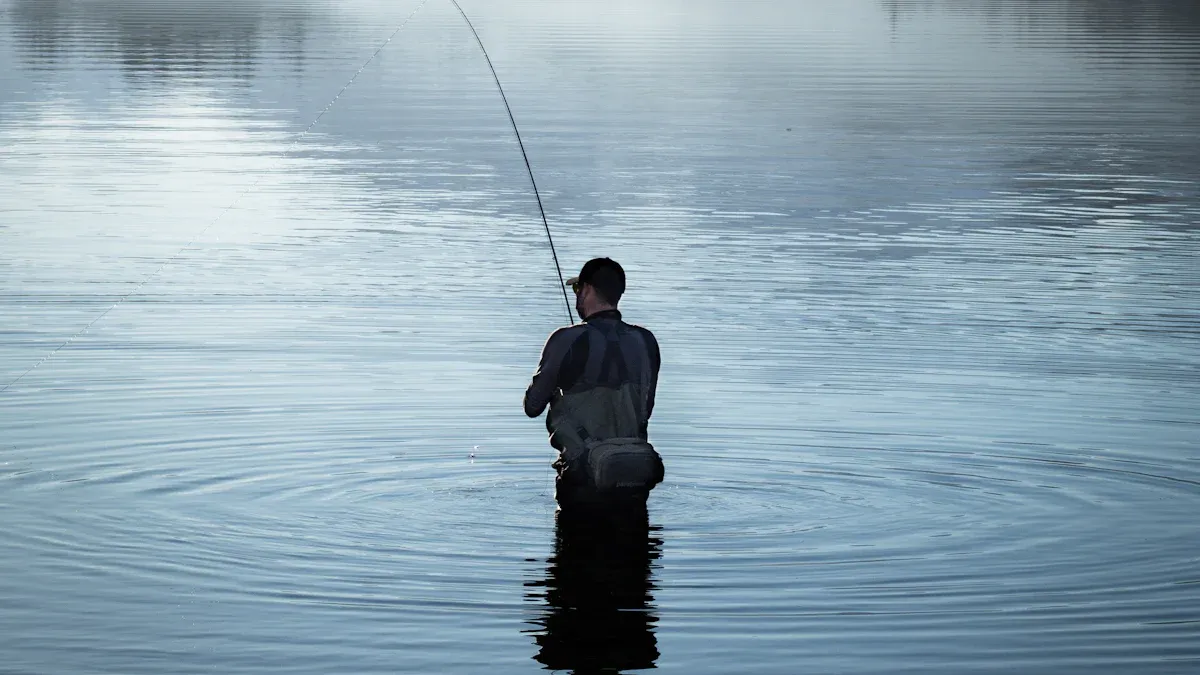
When you start fishing, knowing the types of water bodies can help you choose the best spot. Here’s a quick overview of the main types:
Water Body Type | Description |
|---|---|
Ponds | Ideal for catching bluegill, crappie, sunfish, catfish, or largemouth bass. Best with live baits like night crawlers and waxworms. |
Lakes | May require a boat; home to various species depending on depth. Live bait is recommended, with structures like stumps and weed beds being good spots. |
Rivers and Streams | Convenient for fishing while wading or canoeing; look for areas where fish are protected from predators. |
Each water body has unique characteristics that affect your fishing experience. For instance, rivers and streams have flowing water systems. The water velocity changes due to gravity, friction, and depth. You’ll find pools, which are deep and slow, and riffles, which are shallow and swift. Both areas are crucial for fish habitats. Pools provide shelter and resting spots, while riffles support aeration and insect life, essential for feeding and spawning.
On the other hand, lakes and ponds are vital inland freshwater habitats. They cover just over 3% of the Earth’s surface and support diverse life. However, these habitats face threats from human activities. Effective management is crucial for maintaining their ecological integrity while meeting human freshwater demands.
Target Fish Species
Knowing which fish species you want to catch can significantly influence your choice of fishing location. Here are some common species targeted by beginners:
Fish Species | Characteristics | Targeting Ease |
|---|---|---|
Sunfish | Abundant, near-shore availability, voracious appetites, easy to clean and cook. | High |
Bluegills | Prolific sunfish, widely distributed. | High |
Largemouth Bass | Fast, aggressive, widely distributed, popular in fishing tackle industry. | High |
Smallmouth Bass | Aggressive, tough, strong, quick. | High |
Different species have unique behaviors and habitat preferences. For example, sunfish thrive in shallow waters, while largemouth bass prefer areas with cover, like weeds or submerged structures. Understanding these preferences helps you select the right spot and increases your chances of success.
By considering both the type of water body and the target fish species, you can make informed decisions about where to fish. This knowledge not only enhances your fishing experience but also helps you avoid areas with high fishing pressure, ensuring a more enjoyable day on the water.
Key Factors for the Best Fishing Spot
Water Type and Conditions
When you’re out fishing, the type of water you choose can make a big difference in your success. Freshwater and saltwater fishing each come with their own set of conditions. Here’s a quick comparison to help you understand:
Aspect | Freshwater Fishing | Saltwater Fishing |
|---|---|---|
Fishing Techniques | Lighter gear, techniques like fly fishing | Heavier tackle, techniques like trolling |
Fish Size and Strength | Generally smaller and less strong | Larger and stronger species |
Location and Accessibility | More accessible for inland residents | Requires proximity to the coast |
Water Conditions | Less corrosive | More corrosive, needs specialized gear |
Fishing Regulations | Different licenses, seasons, and limits | Varies significantly, check local rules |
Understanding how water temperature and clarity impact fish activity is also crucial. Fish are more active in certain temperature ranges. For example, warmer water can lead to increased movement, while colder temperatures may slow them down. Here’s a table summarizing these factors:
Factor | Impact on Fish Activity and Catch Rates |
|---|---|
Water Temperature | Critical for influencing metabolism, behavior, and feeding patterns. Small changes can alter feeding and movement. |
Seasonal Shifts | Fish follow temperature trends; warmer temperatures lead to increased activity, while colder temperatures slow it down. |
Cold Fronts | Rapid temperature drops can cause fish to suspend or stop feeding temporarily until conditions stabilize. |
Accessibility and Safety
Choosing a fishing spot that’s easy to access is essential, especially for beginners. Look for areas with paved paths and accessible parking. Here are some tips to ensure you find a suitable location:
Choose locations with clear paths to the water’s edge.
Consider fishing piers or designated fishing areas for easier access.
Scout for spots that provide a good vantage point without obstacles.
Safety is another important factor. Be aware of common hazards at fishing locations. Here’s a quick overview:
Hazard Type | Description |
|---|---|
Allergies | Allergies affecting the lungs and skin from handling fish and chemicals. |
Skin Cancers | Skin cancers from unprotected exposure to UV rays. |
Injuries | Injuries from sharp objects, falls, and machinery. |
Always check the weather before heading out. Conditions like rain or strong winds can affect both your safety and fishing success.
By considering water type, conditions, accessibility, and safety, you can choose a fishing spot that enhances your experience. Remember, the right location can make all the difference in how to find fish and enjoy your time on the water!
Finding the Best Bank Fishing Spots
Local Lakes and Ponds
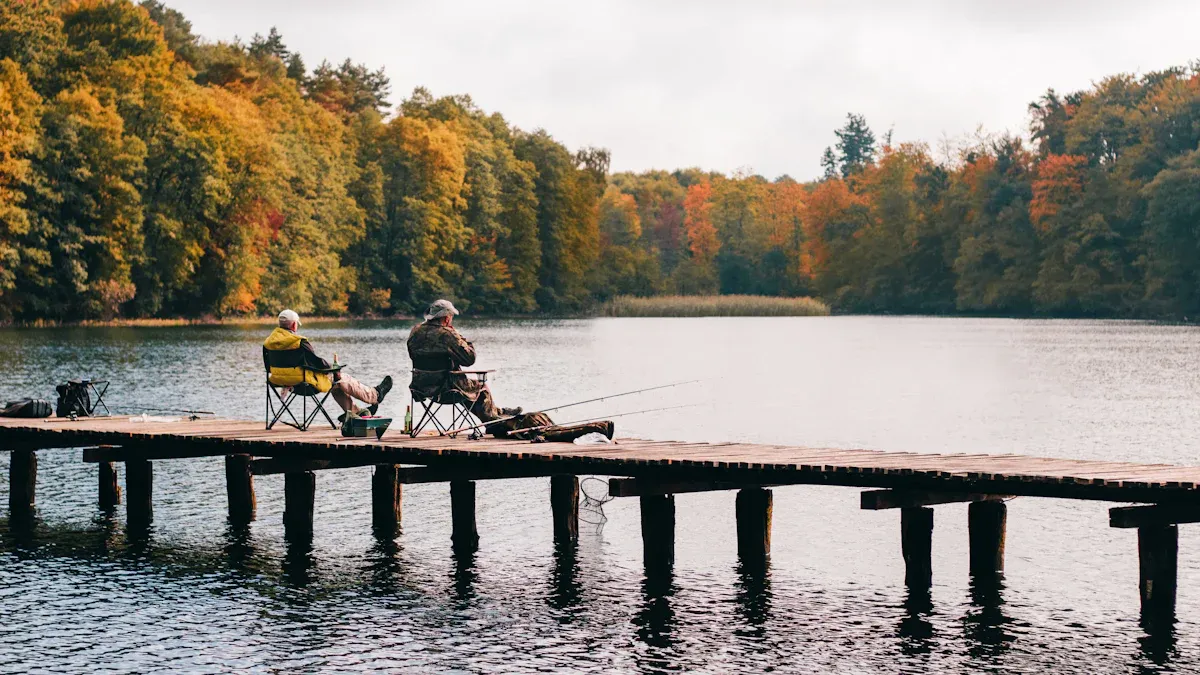
When you’re looking for the best bank fishing spots in local lakes and ponds, consider a few key tips. First, use satellite imagery to spot lesser-known areas. Look for color changes in the water, which can indicate depth variations. Understanding water depth is crucial too. Fish often hide in deeper areas, especially in shaded regions.
Here’s a quick table summarizing some effective tips for finding your favorite fishing spots:
Tip | Description |
|---|---|
Use satellite imagery | Locate lesser-known fishing spots by identifying color changes in the water. |
Understand water depth | Look for deeper areas where fish can hide and ambush prey. |
Gain permission from owners | Building relationships with landowners can help access private spots. |
Explore uncharted territory | Less crowded areas often yield better results. |
Avoid easily accessible spots | Popular areas may have tougher fishing conditions. |
Shoreline structures like docks and fallen trees are also great indicators of good fishing spots. They provide cover and habitat for fish, making them prime locations for catching species like walleye and smallmouth bass.
Rivers and Streams
Finding good fishing spots in rivers and streams can be a bit different. Start by observing the water for signs of fish, like subtle shifts in color or movement. Using polarized sunglasses can help you see better by reducing glare.
Here are some strategies to help you locate fish effectively:
Cast upstream to mimic natural food sources drifting downstream, especially for trout.
Look for island or rock piles and merging currents; these are prime locations for fish.
Approach the bank quietly to avoid spooking fish.
Remember, fish prefer slower current areas for safety and feeding. They often hide in eddies and seams where the current is less intense. By understanding these behaviors, you can improve your chances of how to find fish.
Don’t forget to connect with local anglers through online forums or community groups. They can share insights about fishing hot spots and help you maximize your fishing adventures.
Choosing the right fishing spot is crucial for your success and enjoyment. Remember to:
Understand the type of fish you want to catch.
Consider how accessible the location is.
Evaluate how popular the spot is with other anglers.
Exploring different locations helps you adapt your skills and learn from each experience. So, grab your gear, try out new spots, and enjoy the adventure of fishing!
FAQ
What should I look for in the best fishing spot?
Look for areas with good water depth, cover for fish, and accessibility. These factors increase your chances of a successful fishing experience.
How do I know if a spot is popular for fishing?
Check local fishing reports, talk to other anglers, or visit bait shops. They often share insights about the best fishing spots in the area.
Can I fish in any body of water?
Not always. Make sure to check local regulations. Some areas may have restrictions on fishing to protect wildlife and habitats.
