Book Appointment Now

Williams Lake Fishing Spokane: Stocking, Access, and Tactics
ByIMRAN
A 25-acre urban trout water sits inside Spokane city limits, roughly 20 minutes from downtown, and opens each March once WDFW plants rainbows. A 3-weight fly rod, a tub of floating bait, or a small float tube handles nearly every fish caught here, and the closest gas station sits closer than the nearest launch. Bank access along Spokane County park frontage keeps the lake approachable, and selective gear rules keep the trout willing to bite light line.
From the early March trout plants to the county park shoreline, this guide covers what Spokane anglers need to plan a Williams Lake trip without overcomplicating the tackle box or the drive.
A Quiet 25-Acre Trout Lake Minutes From Downtown Spokane
Williams Lake is a 25-acre freshwater basin tucked into the Hillyard neighborhood, close enough to grab a coffee on Division Street and still be wetting a line before the cup cools. Spokane County parks border most of the shoreline, so public access runs the full perimeter without private property fights. The lake reads small from every bank, which is part of the appeal: you can spot a working bird or a cruising fish from halfway across the water.
Because the city zoning forbids gasoline and electric motors, the lake stays quieter than Loon Lake or Coeur d’Alene even on a Saturday opener. That no-motor rule pushes the fishery toward light-tackle anglers wielding ultralight spinning gear, tenkara rods, or small kick boats. A single afternoon here often out-produces a weekend at a busier regional lake, and you can park, fish, and be back at the kitchen table inside three hours.
Why the Size and Setting Matter
Twenty-five acres reads as a pond on a chart, but on the water it stretches wide enough that the far bank disappears in morning fog. The shallow basin warms fast after stocking, which pushes trout into a tight feeding window during the first three weeks of the season. Expect steady catch rates for the opener, then a slow taper as the water climbs past 65 degrees.
The urban setting also means walking access, paved path access, and bus-route proximity. Anglers without a car can reach the lake by bicycle along the residential grid, though the last mile is narrow and rough in early spring. Drive in, park at one of the small Spokane County lots, and you are steps from the water.
Driving Directions and Last-Mile Road Conditions From Spokane Neighborhoods
From downtown Spokane, take Market Street north to the Hatch Road corridor and plan on 20 to 30 minutes outside of rush hour. The route climbs through residential streets, passes a school zone, and drops into the lake basin without a freeway interchange. Anglers leaving from the South Hill save ten minutes by cutting north on Argonne Road to Trent, then west to the lake.
Arriving before sunrise matters more than the route you choose. The last mile of two-lane asphalt narrows past houses with soft shoulders, and parked cars shrink the drivable width to a single lane during the first stocked weekend. Spokane County parking lots are small and fill by 7 a.m. on a March opener.
Parking, Transit, and Shoulder Rules
Three small Spokane County access points handle most of the vehicle traffic, each with a gravel lot that holds roughly 15 to 25 cars. Overflow parking is illegal along residential streets within a posted no-parking zone, and the Spokane County Sheriff’s Office does ticket on busy weekends. Carpool with a friend and you skip the lot hunt entirely.
If you are car-free, the Spokane Transit Authority bus network stops within a 15-minute walk of the lake, but service runs on a limited weekend schedule. A folding bike on the road shoulder is faster and lets you cover more bank once you arrive.
WDFW Stocking Calendar and What It Means for Catch Rates
WDFW stocks Williams Lake with rainbow trout each spring, with the primary plant landing in mid-to-late March just before the regional lowland lakes open. A second, smaller plant sometimes arrives in late May or early June to stretch the bite into early summer. Brown trout and kokanee programs are not consistent here, so check the current WDFW plant records the week of your trip.
Catch rates run hottest in the first two to three weeks after the opener, when freshly planted rainbows stack up near the launch points and patrol the shallow shelf. By July, surface water climbs into the high 60s, and trout slide deeper into the cooler column where bank anglers cannot reach them. Fall cools the water again and the bite rebuilds through October.
Stocking Schedule and Catch Rate Timeline
| Window | WDFW Action | Catch Rate | Best Method |
|---|---|---|---|
| Mid-to-late March | Primary rainbow plant | High | PowerBait or marshmallow rig near bottom |
| April through early May | Holdover fish feeding | Steady | Small spoons, woolly buggers |
| Late May or early June | Optional second plant | Moderate spike | Chironomid under indicator |
| Mid-July through August | No plant; warm water | Low | Early morning topwater streamers |
| September through October | Coldwater rebuild | Moderate | Bait-worm combo, leech pattern |
Tracking the WDFW website or a regional fishing forum turns a guess-and-go trip into a targeted outing. The plant records page updates within 48 hours of each truck delivery, and the Spokane fly fishing community posts real-time reports through April.
Licensing, Selective Gear Rules, and What They Mean for Your Tackle Box
You need a valid Washington State freshwater fishing license if you are 15 or older, and a Columbia River Basin endorsement is not required for this lake. WDFW sells annual, one-day, and two-day licenses online, and a single dealer code punches through at any Spokane-area sporting goods store. A catch-record card is not required for trout-only waters like Williams.
Selective gear rules apply to parts of the season, and the current Sport Fishing Rules pamphlet is the final word. When the rule window is active, only barbless single hooks are allowed, bait is restricted or banned, and the use of fish-attractant scents can be limited. Read the pamphlet the morning of your trip and build your tackle around it.
Translating Rules Into a Practical Tackle Plan
Pack a small box with a few proven patterns and you will not get caught flat-footed:
- Barbless single hooks: In sizes 8 through 12, covering most bait and fly presentations.
- Small split shot: Enough to drift a nymph along the bottom without over-weighting the rig.
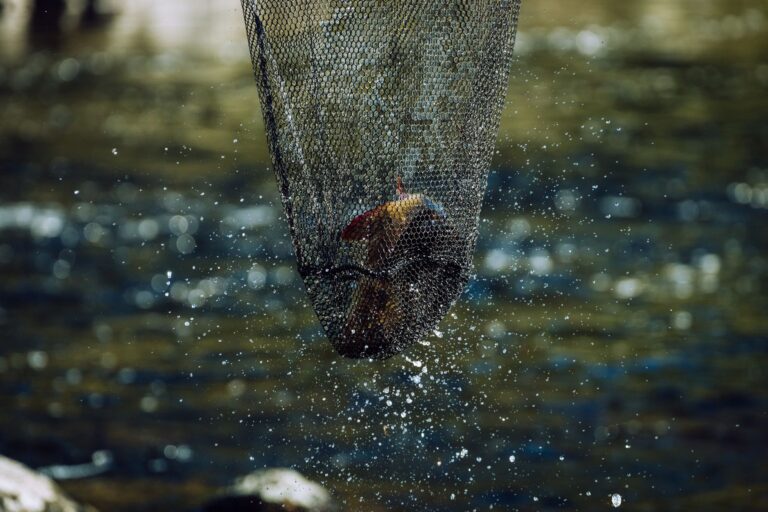
- Rubber landing net: Coated mesh keeps trout in the water during catch and release, which speeds recovery.
- Light leader material: 4X to 6X tippet for flies, 4-pound test for spinning setups.
- Current WDFW pamphlet: Either a paper copy in the vest or a saved PDF on your phone.
Fines for an overlooked regulation can run over $100, and a wildlife officer will check the creel on a busy opener. Build the tackle box around the rules rather than the other way around, and you avoid surprises.
Shore Access, Float Tubes, and the No-Motorized-Boat Rule
Bank fishing dominates at Williams Lake, and the southern and eastern shoreline near the Spokane County park access points produce the most consistent action. The western bank has narrower access and more brush, but it fishes well when wind pushes surface food into the corner. Float tubes and small kick boats are allowed and give you reach into water that bank anglers cannot touch.
Gasoline and electric motors are prohibited under the city ordinance, so plan on fins, paddles, or a small manual pontoon. The lake is shallow enough that a kick boat covers most of the basin in a single morning of slow drifts. A soft-sided tackle bag handles the muddy spring shoreline far better than a stiff rod case.
Morning Logistics That Save Your Day
Arriving within the first hour of legal light usually secures a parking spot and an open stretch of bank. Anglers who show up at 9 a.m. on an opener weekend circle the lot three times, then walk a half-mile to the closest open bank. Waders are not required, but waterproof boots handle the mud and the cold spring water around the launch.
Spread out along the southern shoreline once you park, and rotate spots every 30 minutes if the bite slows. Trout stack tight against structure right after a plant, so a single submerged log can hold five fish in a 20-foot radius.
Timing the plant and the gear rule is only half the plan, because where you stand decides what the fish ever see.
Seasonal Bait, Lure, and Fly Playbook for Williams Lake Trout
Early spring right after the stocking truck leaves is the window for small spoons, marshmallow-and-egg-sack rigs, and brightly colored PowerBait fished within a foot of the bottom. Rainbow trout are grazing on unfamiliar forage and do not need finesse; weight the line hard and hold the rod steady. The first two weekends of March typically produce limits in under three hours.
Late spring shifts the bite to chironomid and scud patterns under a slow-strike indicator for fly anglers, and to 1/16-ounce jigs for spin anglers working the drop-off. Match the line weight, leader length, and retrieve speed to the season, and the difference between one fish and a full stringer is usually a single adjustment.
Season-by-Season Playbook
- Early spring (March through mid-April): 1/8-ounce yellow PowerBait on a 24-inch leader, soaked along the bottom in 6 to 10 feet of water.
- Late spring (late April through May): Size 14 chironomid pupa under a small indicator, drifted on a long leader across the south flat.
- Summer (June through August): Early morning small crankbaits or woolly buggers in the top 10 feet, before fish drop into the thermocline.
- Fall (September through October): Streamer retrieves and a bait-worm combo pick back up as trout roam the shallows again.
Fly-Specific Tactics Worth Practicing
Chironomid fishing under a fixed indicator is the most productive stillwater method in Eastern Washington, and Williams is a great place to learn the technique. Cast a long leader, set the indicator at a depth twice the water depth, and let the fly hang motionless for 30 seconds between strips. The takes are soft, so watch the indicator tip, not the fly line.
Scud patterns in gray, olive, and orange work from April through early June when the naturals drift along the bottom. Pair the scud with a small split shot 12 inches above the fly, and drift it on a slow hand-twist retrieve.
Those techniques work best when you know how the lake compares to the others within an easy drive.
How Williams Lake Stacks Up Against Other Spokane-Area Trout Waters
Liberty Lake offers a public launch and a larger fish, but it draws heavier weekend pressure and a higher per-boat catch rate from trolling anglers. Newman Lake in Idaho provides kokanee and rainbow options, yet requires a 45-minute drive east and a separate Idaho license. Coeur d’Alene delivers trophy trout and trolling opportunities, but the fuel and launch fees erase any savings from a quick Williams trip.
Eloika Lake runs a strong kokanee program with selective gear rules similar to Williams, and it works as a reliable backup once July heat slows the Williams bite. Treating Williams as your spring and fall staple while rotating through the neighbors across the season keeps a Spokane angler catching year-round without ever driving more than an hour.
Head-to-Head Comparison
| Lake | Distance From Spokane | Best Season | Key Trade-Off |
|---|---|---|---|
| Williams Lake | 20 to 30 minutes | Spring and fall | No motors, small basin |
| Liberty Lake | 25 minutes east | Year-round | Heavier weekend pressure |
| Newman Lake (Idaho) | 45 minutes east | Summer kokanee | Requires Idaho license |
| Coeur d’Alene | 35 minutes east | Spring and fall trolling | Higher fuel and launch cost |
| Eloika Lake | 45 minutes north | Summer kokanee | Selective gear rules apply |
Build a small rotation, and you have trout on the line from the first March opener through late October without driving more than an hour from the front door. Williams is the anchor for the spring and fall windows, and the other lakes fill the summer heat.
Pulling those threads together makes the call on whether the drive is worth swapping for a closer option.
The Bottom Line
Williams Lake rewards anglers who plan around the WDFW stocking window, the selective gear rules, and the no-motor ordinance. Stocking dates drive catch rates, current regulations drive tackle choices, and a light setup drives the kind of steady action that brings you back in October. Show up early, keep your rig simple, and this 25-acre urban lake will out-produce most regional waters in a single morning.
FAQ
Is Williams Lake open for fishing in Spokane?
Yes. Williams Lake opens for trout fishing in mid-to-late March each year, immediately after WDFW stocks the water with rainbow trout. The lake is open year-round under seasonal rules, with the highest catch rates in the first weeks after the opener.
What kind of fish are in Williams Lake Spokane?
WDFW stocks rainbow trout each spring as the primary fishery. Brown trout and kokanee have been planted in past seasons, but those programs vary year to year, so check the current plant records before your trip.
Do you need a fishing license to fish Williams Lake?
Yes. A valid Washington State freshwater fishing license is required for any angler 15 or older. A Columbia River Basin endorsement is not required for Williams Lake, and a catch-record card is not needed for trout-only waters.
When is trout stocking at Williams Lake Spokane?
The primary rainbow trout plant lands in mid-to-late March each year, with a possible second smaller plant in late May or early June. The WDFW plant records page updates within 48 hours of each delivery.
Are there any fishing regulations at Williams Lake WA?
Selective gear rules apply during designated windows, typically restricting bait, requiring barbless or single hooks, and limiting scents. The current WDFW Sport Fishing Rules pamphlet is the final authority on size, retention, and tackle rules.
Can you fish from shore at Williams Lake Spokane?
Yes. Bank fishing is the most common method, and Spokane County park access points line the southern and eastern shoreline. Float tubes and small kick boats are also allowed, but gasoline and electric motors are prohibited.